Table of Contents
TogglePalisade sits in the heart of Colorado’s high desert, where the climate draws more than just fruit growers and wine enthusiasts, it also attracts a rotating cast of pests looking for food, water, and shelter. From mice seeking warm crawlspaces in winter to wasps building nests under eaves in summer, pest pressure here isn’t just a nuisance: it can compromise structural integrity, trigger allergies, and damage stored goods. Whether you’re dealing with an active infestation or looking to prevent one, understanding the local pest landscape and the right control strategies can save you time, money, and headaches.
Key Takeaways
- Palisade’s high desert climate and proximity to orchards create a year-round pest-friendly environment where rodents, wasps, termites, and spiders pose structural, health, and financial risks to homes.
- Seal entry points, eliminate food and water sources, and reduce harborage by trimming vegetation and clearing debris—these three steps eliminate 80% of pest pressure in Palisade homes.
- DIY palisade pest control solutions like snap traps, gel baits, diatomaceous earth, and peppermint oil work well for minor infestations, but professional services are essential for carpenter ants, termites, wasps in wall voids, and wildlife removal.
- Professional pest control companies in Palisade should be Colorado Department of Agriculture-licensed and offer integrated pest management (IPM) approaches that use targeted treatments rather than broad pesticide application.
- Seasonal pest prevention matters: inspect exteriors in spring, remove small wasp nests in summer, seal entry points before fall, and monitor traps during winter when rodent activity peaks indoors.
- Protect your home’s interior by inspecting wiring for rodent damage twice yearly, tapping wood for termite or carpenter ant activity, storing dry goods in sealed containers, and having HVAC ducts professionally cleaned to prevent pest nesting and allergen spread.
Why Pest Control Matters in Palisade
Palisade’s unique geography, high elevation, dry air, and proximity to orchards and vineyards, creates a pest-friendly environment year-round. Rodents are drawn to grain stores and compost piles. Insects like boxelder bugs and cluster flies seek indoor shelter as temperatures drop. Spiders, including the occasional black widow, thrive in undisturbed corners of sheds and basements.
Ignoring pest activity isn’t just unpleasant: it’s costly. Mice and rats chew through electrical wiring, a fire hazard that many homeowners discover only after damage is done. Carpenter ants and termites can compromise structural framing, especially in older homes with wood siding or crawlspace access. Wasps and hornets pose stinging risks, particularly for anyone with allergies.
Beyond property damage, pests carry health risks. Rodent droppings can spread hantavirus, a serious respiratory disease. Cockroaches trigger asthma and allergies, especially in children. Ticks, increasingly common in Colorado, transmit Lyme disease and other tick-borne illnesses. Preventive pest control isn’t just about comfort, it’s about protecting your family’s health and your home’s value.
Common Pests in Palisade and How to Identify Them
Knowing what you’re up against is half the battle. Here are the most common pests in Palisade and how to spot them:
Mice and rats: Look for droppings (rice-sized for mice, larger for rats) along baseboards, in pantries, and inside cabinets. You’ll also hear scratching sounds inside walls at night. Gnaw marks on food packaging, wiring, or wood are telltale signs. Mice can squeeze through gaps as small as ¼ inch, so check around pipes, vents, and door thresholds.
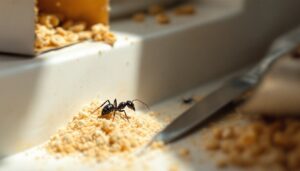
Ants: Odorous house ants and pavement ants are the most common. You’ll see trails leading to food sources, particularly near sinks, countertops, and pet bowls. Carpenter ants are larger and usually black: they excavate wood (not eat it) to build nests, leaving behind frass (sawdust-like debris).
Wasps and hornets: Paper wasps build umbrella-shaped nests under eaves, deck railings, and porch ceilings. Yellowjackets nest in wall voids, attics, or underground burrows. Activity peaks in late summer when colonies are largest.
Spiders: Most are harmless and beneficial, but black widows (shiny black with a red hourglass marking) inhabit dark, dry spaces like garages, woodpiles, and crawlspaces. Wolf spiders and hobo spiders are common indoors but rarely bite unless threatened.
Boxelder bugs: These black-and-red insects congregate on sunny walls in fall, then invade homes through cracks seeking warmth. They don’t bite or cause structural damage but can stain surfaces.
Termites: Subterranean termites are rare in Palisade’s dry climate but not impossible. Look for mud tubes along foundation walls, hollow-sounding wood, and discarded wings near windowsills in spring.
DIY Pest Control Solutions for Palisade Homeowners
Most pest problems start with gaps, food sources, and moisture. Address these, and you’ll eliminate 80% of your pest pressure.
Seal entry points: Walk your home’s perimeter and caulk gaps around windows, doors, utility penetrations, and foundation cracks. Use expanding foam for larger voids around pipes and vents, then trim excess and paint over it. Install door sweeps on exterior doors, aluminum or nylon-bristle types hold up best. Replace torn window screens and add ¼-inch hardware cloth over crawlspace vents to keep rodents out.
Eliminate food and water sources: Store dry goods (flour, cereal, pet food) in airtight plastic or glass containers. Wipe down counters nightly and sweep floors regularly. Fix leaking faucets, especially under sinks and in basements, moisture attracts everything from ants to silverfish. Clean up fallen fruit in orchards or yards immediately: overripe fruit is a magnet for wasps, ants, and flies.
Reduce harborage: Trim tree branches and shrubs at least 18 inches away from your home’s exterior. Stack firewood at least 20 feet from the house, elevated on a rack to deter rodents and spiders. Clear leaf litter, grass clippings, and debris from around the foundation. Declutter basements, garages, and attics, pests thrive in undisturbed spaces.
Traps and baits: Snap traps remain the most effective solution for mice. Use peanut butter as bait and place traps perpendicular to walls where droppings appear. For ants, gel baits (like those containing borax) allow workers to carry poison back to the colony. Avoid spraying ants directly with household cleaners, it scatters the colony and makes the problem worse. Studies on integrated pest management emphasize targeted treatments over broadcast applications, which reduce pesticide use while improving results.
Natural and Eco-Friendly Pest Prevention Methods
If you’d rather skip synthetic chemicals, several natural options work well in Palisade’s climate.
Diatomaceous earth (DE): This powdered fossilized algae damages insect exoskeletons on contact. Sprinkle food-grade DE along baseboards, behind appliances, and in crawlspaces. Wear a dust mask during application, it’s non-toxic but irritates lungs. Reapply after rain or heavy humidity.
Essential oils: Peppermint oil deters mice, ants, and spiders. Soak cotton balls in peppermint oil and place them in cabinets, closets, and entry points. Refresh every two weeks. Clove and eucalyptus oils also work but can irritate pets, keep them out of reach.
Beneficial insects: Ladybugs and lacewings control aphids in gardens. Ground beetles eat slugs and caterpillars. Avoid broad-spectrum insecticides that kill beneficial species along with pests. Many homeowners are adopting eco-friendly pest control methods that balance effectiveness with environmental responsibility.
When to Call Professional Pest Control Services
DIY methods handle most minor pest issues, but some situations demand professional help.
Active infestations: If you’re seeing multiple rodents daily, trails of ants that don’t respond to bait, or signs of termites, it’s time to call in a pro. Professionals have access to stronger materials and know where pests hide.
Structural pests: Carpenter ants and termites require targeted treatment inside wall voids and subfloor areas, not a DIY job. Termite treatments often involve liquid termiticides or bait systems installed around the foundation perimeter. Misapplication wastes money and delays effective control.
Stinging insects: Removing wasp or hornet nests, especially those in wall voids or high under eaves, is dangerous without proper equipment. Professionals use dusts and aerosols that kill the colony overnight, then remove the nest safely. Don’t attempt this yourself if anyone in your household has a sting allergy.
Wildlife: Bats, raccoons, and skunks occasionally take up residence in attics or crawlspaces. Exclusion and removal require knowledge of Colorado wildlife regulations, some species are protected. Professionals use one-way doors to let animals exit without re-entry, then seal openings.
When choosing a pest control company, verify they’re licensed by the Colorado Department of Agriculture and insured for liability. Ask about their approach: integrated pest management (IPM) focuses on prevention and targeted treatments rather than blanket pesticide application. For a quick intervention, some homeowners opt for one-time pest control services that address immediate problems without long-term contracts. Several top-rated pest control specialists in Palisade offer free inspections and customized treatment plans.
Seasonal Pest Prevention Tips for Your Palisade Property
Pest pressure shifts with the seasons. Adjust your strategy accordingly.
Spring: Inspect the exterior for winter damage. Repair damaged flashing, soffits, and fascia boards where pests could enter. Check crawlspace vents and foundation cracks. As temperatures warm, ants and spiders emerge, apply perimeter treatments (barrier sprays or granules) along the foundation to create a defensive line.
Summer: Wasps and hornets build nests rapidly in June and July. Walk your property weekly, checking eaves, sheds, and fences. Remove small nests (golf-ball-sized or smaller) at dusk using a wasp-and-hornet spray with a 20-foot reach. Larger nests require a pro. Keep garbage cans sealed and pet food indoors, both attract yellowjackets and ants.
Fall: Boxelder bugs and cluster flies seek indoor shelter as nights cool. Seal gaps around windows and doors before mid-September. Inspect attics for entry points near gable vents and roof intersections. Mice begin moving indoors in October, set traps preemptively in basements, garages, and crawlspaces.
Winter: Rodent activity peaks indoors. Check traps weekly and refresh bait as needed. Monitor attics for signs of larger animals like squirrels or raccoons: chewed insulation and droppings are giveaways. Firewood stored indoors can harbor spiders and beetles, bring in only what you’ll burn within 24 hours.
Protecting Your Home’s Interior from Pest Damage
Once pests are inside, they can do serious damage if left unchecked.
Wiring and insulation: Rodents chew constantly to keep their incisors filed down. Inspect attics and crawlspaces twice a year for gnawed wiring, look for exposed copper and shredded insulation. Damaged wiring is a fire hazard and should be repaired immediately by a licensed electrician. Consider installing rodent-proof wire mesh around vulnerable areas like HVAC ducts and plumbing penetrations.
Wood framing: Carpenter ants and termites rarely cause catastrophic damage overnight, but years of unchecked activity can weaken joists, studs, and sill plates. Tap suspected wood with a screwdriver handle: hollow sounds indicate damage. If you find soft or crumbling wood, consult a structural engineer or contractor to assess load-bearing capacity before proceeding with repairs.
Stored goods: Pantry pests like Indian meal moths and flour beetles infest grains, nuts, and dried fruit. Inspect packages for webbing, larvae, or small holes. Dispose of infested items in outdoor trash, then vacuum shelves and wipe them with a vinegar solution. Store replacement goods in hard plastic containers with locking lids.
HVAC systems: Rodents and insects can nest inside ductwork, reducing efficiency and spreading allergens. If you smell musty odors or notice reduced airflow, have ducts inspected and cleaned by an HVAC professional. Install mesh screens over exterior intake vents.
Pest-proofing your home requires ongoing attention, but the payoff, lower repair costs, better indoor air quality, and fewer unwelcome surprises, is worth it. Whether you’re handling small-scale problems yourself or bringing in professionals for tougher challenges, staying ahead of pests means fewer headaches down the road.