Table of Contents
ToggleWhen termites, rodents, or roaches decide to make themselves at home, you need more than a can of store-bought spray and wishful thinking. Choosing the right pest control service can mean the difference between a quick fix and a recurring nightmare. Allison Pest Control has been serving homeowners across the Mid-Atlantic region for decades, but is it the right fit for your property? This guide breaks down what they offer, how their pricing works, and what you should know before booking a treatment. No marketing fluff, just the practical details you need to make an well-informed choice.
Key Takeaways
- Allison Pest Control uses an integrated pest management (IPM) approach that prioritizes non-chemical prevention, exclusion, and habitat modification before chemical treatment, making it a solid choice for families with kids or pets.
- Initial general pest control visits cost $125–$200, with quarterly follow-ups around $80–$125 annually, while termite and bed bug treatments range significantly higher and require detailed written quotes to avoid hidden upsells.
- Allison Pest Control assigns dedicated technicians to specific routes, ensuring continuity for ongoing pest issues, and offers free re-treatments if pests reappear between scheduled visits per New Jersey licensing requirements.
- Proper home preparation—vacuuming, sealing food, clearing clutter, and removing utilities access—directly impacts treatment effectiveness, especially for bed bugs and rodent control where exclusion work is non-negotiable.
- Always verify licenses independently with your state’s pesticide regulatory agency, get at least three written quotes comparing inspection depth and warranty terms, and avoid companies that use high-pressure sales tactics or won’t provide contracts before payment.
What Sets Allison Pest Control Apart from Other Services
Allison Pest Control operates as a regional provider focusing on New Jersey and parts of Pennsylvania. Unlike national chains that rotate technicians frequently, Allison assigns dedicated service professionals to specific routes, which means the same person often handles your property over time. That continuity can matter when dealing with recurring issues like carpenter ants or ongoing rodent pressure.
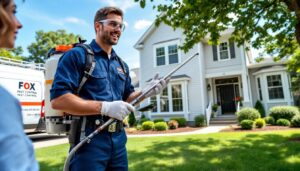
Their integrated pest management (IPM) approach prioritizes non-chemical methods first, exclusion work, sanitation recommendations, habitat modification, before reaching for sprays or baits. This aligns with what many homeowners now expect, especially those with kids or pets. If you’re comparing providers, ask whether they offer IPM protocols or just default to chemical treatment: not all companies bother with the prevention legwork.
Allison also provides free re-treatments between scheduled visits if pests reappear, a policy that’s standard among reputable outfits but worth confirming in writing. They’re licensed and insured per New Jersey Department of Environmental Protection requirements, which includes technician certification and proper pesticide application records. Always verify a company’s license number online before signing a contract, it’s public information and takes two minutes.
Service Coverage and Treatment Options
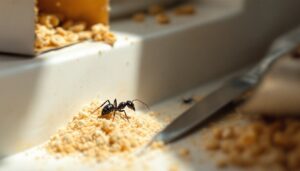
Allison covers a range of common household pests: ants, roaches, spiders, mice, rats, wasps, hornets, termites, bed bugs, and occasional invaders like silverfish or centipedes. Their service area spans central and northern New Jersey, including Monmouth, Ocean, Middlesex, and Union counties, plus select towns in eastern Pennsylvania.
Residential Pest Control Solutions
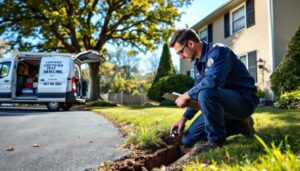
Most homeowners start with a quarterly maintenance plan, which includes interior and exterior treatment every three months. The initial visit is the heaviest lift: technicians inspect the foundation, attic, crawl space, and common entry points, then apply barrier treatments around the perimeter and targeted applications inside as needed. Follow-up visits focus on monitoring and spot treatment.
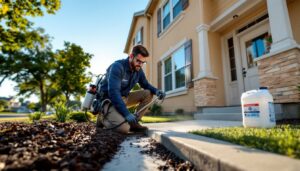
For specific infestations, Allison offers standalone services. Termite control involves either liquid soil treatments (termiticide barriers) or baiting systems, depending on the infestation severity and your property layout. Liquid treatments typically use products like Termidor or Taurus SC (fipronil-based), applied in trenches around the foundation. Baiting systems require ongoing monitoring and bait replacement, less invasive upfront but slower to eliminate colonies. Both methods work: your choice hinges on budget, timeline, and whether you’re dealing with active damage or preventive protection.
Bed bug treatments require heat remediation or chemical treatment, sometimes both. Heat treatments hit 120-135°F for several hours, killing all life stages without pesticides, but you’ll need to remove heat-sensitive items (candles, aerosols, medications). Chemical treatments demand multiple visits and meticulous prep work, vacuuming, laundering, and sealing clutter in bags. Skipping prep steps tanks effectiveness, so don’t cut corners. For insight into one-time interventions, consider whether your situation requires ongoing monitoring or a single aggressive push.
Rodent control includes trapping, exclusion, and exterior bait stations. Exclusion, sealing gaps with steel wool, caulk, or hardware cloth, is non-negotiable. Poison alone won’t solve the problem if mice can waltz back in through a quarter-inch gap in the foundation. Allison’s techs should identify and seal entry points as part of the service: if they don’t offer exclusion, find someone who does.
Pricing Structure and Value Considerations
Allison Pest Control doesn’t publish fixed pricing online, which is typical for pest control companies since costs vary by property size, infestation severity, and treatment type. Expect $125–$200 for an initial general pest control visit covering a standard single-family home (1,500–2,500 sq ft), with quarterly follow-ups around $80–$125. Annual contracts average $400–$650 depending on property size and service frequency.
Termite treatments run significantly higher. Liquid soil treatments typically cost $1,200–$2,500 for initial application on a modest home, while baiting systems start around $800–$1,200 for installation plus $300–$400 annually for monitoring and bait replacement. For comparison, national providers price similarly, regional pest control services and chains like Orkin or Terminix often quote within the same range, though exact pricing fluctuates by market and season.
Bed bug treatments are the priciest service, reflecting labor and equipment demands. Heat treatments range from $1,200–$2,500 depending on home size and infestation extent. Chemical treatments cost less per visit (around $300–$500) but require multiple applications, so total costs can match or exceed heat treatment if the problem persists.
Always get itemized quotes in writing. Ask what’s included: interior treatment, exterior barrier, attic inspection, crawl space access, exclusion work. Some companies quote low but exclude key services, then upsell during the visit. According to cost estimators on platforms like HomeAdvisor, regional pricing data helps benchmark whether a quote is reasonable for your area and property type.
Payment terms matter too. Some pest control contracts auto-renew annually: others lock you in with cancellation penalties. Read the fine print before signing, and clarify refund policies if treatments don’t resolve the issue.
How to Prepare Your Home for Pest Control Treatment
Prep work isn’t optional, it directly impacts treatment effectiveness. For general pest control, clear clutter from baseboards, move furniture a few inches from walls, and vacuum thoroughly. Techs need access to cracks, crevices, and behind appliances where pests hide. Remove pet bowls, kids’ toys, and anything that touches the floor in treatment areas. Store or cover food items, especially in kitchens.
For termite treatments, exterior prep includes trimming vegetation at least 12 inches away from the foundation and removing mulch, firewood, or debris piled against the house. Techs need to trench around the perimeter for liquid applications, so mark any sprinkler lines, buried utilities, or landscape lighting in advance. Interior access to crawl spaces or basements is essential, clear storage boxes, holiday decorations, or junk blocking entry points.
Bed bug prep is the most labor-intensive. Launder all bedding, clothing, and fabric items in hot water (at least 120°F) and high-heat drying for 30+ minutes. Seal clean items in plastic bags immediately. Vacuum mattresses, box springs, bed frames, and baseboards, then dispose of vacuum bags outside. Dismantle bed frames to expose joints and crevices. Remove clutter from bedrooms and closets, bed bugs hide in books, picture frames, electrical outlets, and even wallpaper seams. Don’t move infested items to other rooms: you’ll just spread the problem.
For rodent control, secure all food in airtight containers (rodents chew through cardboard and plastic bags). Eliminate water sources, fix leaky faucets, drain sinks, and remove pet water dishes overnight. Clear storage areas so techs can place traps effectively. Pet safety is critical: during treatments, remove dogs, cats, birds, and fish from the home or isolate them in untreated rooms. Most modern pesticides have low mammalian toxicity when dry, but baits and rodenticides pose serious risks if ingested. Ask whether bait stations are tamper-resistant and safe for homes with curious pets or toddlers.
Wear gloves and a dust mask if you’re cleaning areas with rodent droppings or heavy pest activity. Hantavirus and allergens from pest waste are real hazards, especially in attics or crawl spaces. Considering eco-friendly pest control methods can reduce chemical exposure while still delivering effective results.
Customer Experience and Service Quality
Allison Pest Control’s reputation leans heavily on local reviews and word-of-mouth. On platforms like Angi, customer feedback highlights responsive service and thorough inspections, though some complaints mention inconsistent follow-through on exclusion work or delayed callbacks during peak season (spring and early summer, when pest pressure spikes).
Technician training and certification matter. New Jersey requires commercial applicators to pass state exams and complete continuing education. Ask about technician certifications when booking, licensed pros understand pest biology, product labels, and safety protocols. Unlicensed helpers shouldn’t apply pesticides or make treatment decisions.
Communication quality varies by route and technician. Expect a pre-service phone call or text confirming appointment windows, usually a 2–4 hour range. Techs should explain what they’re treating, which products they’re using, and how long you need to stay out of treated areas (typically 2–4 hours for interior sprays). If they don’t offer that info unprompted, ask. You have a right to know what chemicals are applied in your home.
Warranty terms are another differentiator. Allison offers free re-treatments if pests return between scheduled visits, but read the contract’s fine print. Some warranties exclude certain pests or require you to maintain sanitation standards and seal entry points they’ve identified. If you ignore their recommendations and mice come back, don’t expect a free redo. For context, comparing how other regional providers structure their warranties can clarify what’s standard versus generous.
Customer service responsiveness is hit-or-miss during busy months. If you’re dealing with an urgent issue like a wasp nest near a doorway or active rodent sightings, confirm response times upfront. Some companies prioritize emergency calls: others fit you into the next available route slot, which could be days out.
Making the Right Choice for Your Home
Choosing a pest control provider isn’t about finding the cheapest quote, it’s about matching service level, expertise, and reliability to your property’s needs. Allison Pest Control works well for homeowners seeking a regional company with familiar faces and IPM-focused protocols. Their service area limits them geographically, so if you’re outside central New Jersey or eastern Pennsylvania, you’ll need alternatives.
Before committing, get at least three quotes from licensed providers. Compare what’s included: inspection depth, treatment frequency, exclusion work, product types, and warranty terms. Don’t hesitate to ask tough questions: How do you handle re-infestations? What PPE do your techs use? Do you subcontract any work? Vague answers or high-pressure sales tactics are red flags. Resources like ImproveNet offer cost breakdowns and contractor vetting tips to help you compare options objectively.
Verify credentials independently. Check the company’s license status with your state’s pesticide regulatory agency, and confirm they carry general liability and workers’ compensation insurance. If a tech gets injured on your property and the company isn’t insured, you could be liable.
Finally, understand what you’re signing. Auto-renewal clauses, cancellation fees, and warranty exclusions buried in contracts can create headaches later. If a company won’t provide a written contract before asking for payment, walk away. Reputable providers put everything in writing because they know transparency builds trust. For broader pricing context, reviewing how other major providers structure their fees can help you spot outliers, both high and low, and ask better questions during consultations.