Table of Contents
ToggleOutdoor pests don’t respect property lines. Mosquitoes, ants, ticks, and wasps turn backyard barbecues into slap-fests and make evening patio time miserable. Left unchecked, these invaders can damage landscaping, threaten your family’s health, and eventually breach your home’s defenses. This guide walks through identifying common outdoor pests, choosing effective control methods, both natural and chemical, and building a year-round prevention plan. Whether tackling the problem solo or calling in reinforcements, homeowners will find practical, no-nonsense strategies to reclaim their yards.
Key Takeaways
- Outdoor pest control is a critical first line of defense that prevents mosquitoes, ticks, and other invaders from damaging your home’s structure and threatening your family’s health.
- Early identification of common pests like fire ants, mosquitoes, and wasps through regular yard inspections makes treatment significantly more effective and affordable.
- Natural methods such as diatomaceous earth, neem oil, and eliminating standing water work best when applied consistently and combined with habitat modifications, though they require more frequent reapplication than chemical solutions.
- Chemical pesticides deliver faster, longer-lasting outdoor pest control results but must be applied strictly according to label directions with proper safety protocols, protective gear, and storage practices.
- Preventative measures—including proper landscape maintenance, sealing entry points, managing water drainage, and year-round pet treatments—reduce pest pressure far more cost-effectively than emergency treatments.
- Most homeowners can manage routine outdoor pest control with DIY products, but professional pest control specialists should be called for structural threats like termites, inaccessible nests, or recurring infestations after multiple treatment attempts.
Why Outdoor Pest Control Matters for Your Home
Pests outside aren’t just a nuisance, they’re a staging ground for bigger problems. Termites, carpenter ants, and rodents start in mulch beds and woodpiles, then migrate to siding, fascia, and eventually your home’s structure. Mosquitoes carry West Nile virus and Zika: ticks transmit Lyme disease and Rocky Mountain spotted fever. Fire ants inflict painful stings that can cause allergic reactions.
Beyond health risks, outdoor pests degrade your investment. Grubs destroy lawns from the roots up, requiring costly overseeding. Aphids and scale insects weaken ornamental plants and trees. Wasps and hornets build nests under eaves and deck railings, creating hazards near entryways.
Proactive pest management protects your home’s perimeter, reduces pesticide use indoors, and keeps your yard usable. It’s easier and cheaper to stop pests outside than to evict them once they’ve moved in. Think of outdoor pest control as a first line of defense, not an optional upgrade.
Common Outdoor Pests and How to Identify Them
Knowing what you’re fighting is half the battle. Here are the usual suspects:
Mosquitoes: Active at dawn and dusk: breed in standing water. Look for larvae (wrigglers) in birdbaths, clogged gutters, or tarps with pooled rainwater.
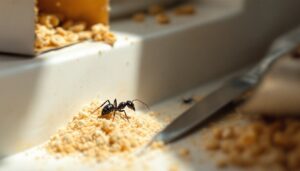
Ants (Fire Ants, Carpenter Ants, Pavement Ants): Fire ants build mounded nests in sunny lawns. Carpenter ants nest in rotting wood, leaving frass (sawdust-like debris) near entry holes. Pavement ants push sand through cracks in patios and driveways.
Ticks (Blacklegged, Lone Star, American Dog Tick): Found in tall grass, leaf litter, and wooded edges. Blacklegged ticks (deer ticks) are pinhead-sized and carry Lyme disease.
Wasps and Hornets: Paper wasps build open, umbrella-shaped nests under eaves and railings. Yellow jackets nest underground or in wall voids. Bald-faced hornets construct large, papery nests in trees or shrubs.
Fleas: Hitchhike on pets and wildlife: thrive in shaded, moist areas. Adult fleas jump: larvae live in soil and organic debris.
Grubs (Beetle Larvae): White, C-shaped larvae feed on grass roots. Brown patches in spring or fall, plus increased bird and skunk activity, signal grub damage.
Spiders (Black Widows, Brown Recluses): Black widows hide in woodpiles, meter boxes, and under deck furniture. Brown recluses prefer dark, undisturbed spaces (rare outdoors but possible in sheds).
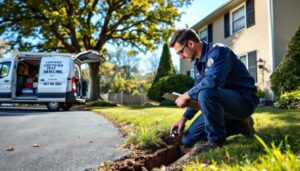
Identify pests early with regular yard inspections. Walk the perimeter weekly during warm months, checking under deck boards, around foundation plantings, and in mulched areas.
Natural and Eco-Friendly Pest Control Methods
Natural methods work best when applied consistently and combined with habitat modification. They’re safer around kids, pets, and pollinators, but they generally require more frequent reapplication than synthetics.
Eliminate Standing Water: Empty saucers under potted plants, keep gutters clean, and fill tire swings with sand. Mosquitoes breed in as little as a bottle cap’s worth of water.
Diatomaceous Earth (DE): Food-grade DE kills ants, fleas, and crawling insects by dehydrating their exoskeletons. Dust it around ant trails, pet areas, and garden bed edges. Reapply after rain. Wear a dust mask when applying, DE is safe but irritating to lungs.
Neem Oil: A botanical insecticide effective against aphids, whiteflies, and soft-bodied insects. Mix per label directions (typically 2 tablespoons per gallon of water) and spray foliage in early morning or evening. Avoid spraying flowers bees are actively visiting.
Beneficial Insects: Ladybugs, lacewings, and parasitic wasps prey on aphids, caterpillars, and other pests. You can purchase them online, but they’ll leave if your yard lacks food and habitat. Plant dill, fennel, and yarrow to attract them naturally.
Bacillus thuringiensis (Bt): A naturally occurring bacteria toxic to caterpillars and mosquito larvae (Bt israelensis for mosquitoes, Bt kurstaki for caterpillars). Safe for humans, pets, and beneficial insects. Mosquito dunks containing Bt last up to 30 days in birdbaths and ponds.
Essential Oil Sprays: Peppermint, eucalyptus, and clove oils repel ants and spiders. Mix 10-15 drops per cup of water with a few drops of dish soap (emulsifier). These provide temporary relief but don’t eliminate colonies.
Physical Barriers: Copper tape around raised beds deters slugs and snails. Row covers protect vegetable gardens from beetles and moths. Bug zappers and citronella candles offer modest mosquito reduction but work best combined with other methods.
For homeowners interested in eco-friendly pest control, these methods reduce reliance on synthetics without sacrificing results. Natural controls often take longer to show results, so patience and persistence pay off.
Chemical Solutions: When and How to Use Them Safely
Chemical pesticides deliver faster, longer-lasting control than most natural methods. Use them when infestations threaten health (tick-borne disease risk, stinging insect nests near play areas) or property (termite activity, severe grub damage). Always follow label directions, they’re legal requirements, not suggestions.
Granular Insecticides: Products containing bifenthrin or lambda-cyhalothrin treat fire ants, fleas, ticks, and grubs. Apply with a broadcast spreader, water in per label instructions, and keep pets off treated areas until dry (usually 24 hours). Granular products last 30-90 days depending on rainfall.
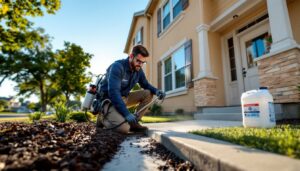
Liquid Perimeter Sprays: Synthetic pyrethroids (permethrin, bifenthrin, cyfluthrin) create a barrier around foundations, patios, and entryways. Mix in a pump sprayer or hose-end applicator: spray a 3-foot band up the foundation and 6-10 feet out onto the ground. Wear gloves, long sleeves, and goggles. Reapply every 60-90 days or after heavy rain.
Mosquito Foggers and Misters: Pyrethrin-based foggers knock down adult mosquitoes for 3-7 days, ideal before outdoor events. Automatic misting systems provide longer control but cost $1,500-$3,000 installed. Fog in early morning or evening when pollinators are inactive.
Grub Control: Apply products containing imidacloprid or clothianidin in late spring or early summer (May-July in most regions) when grubs are small and vulnerable. Water in with ½ inch of irrigation. Note: neonicotinoids harm pollinators: avoid applying to flowering plants.
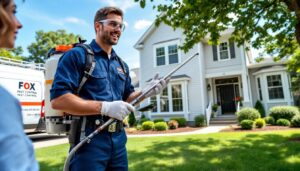
Wasp and Hornet Sprays: Aerosol sprays with tetramethrin shoot 15-20 feet, allowing safe distance from nests. Spray at dusk when insects are inside and less active. Wear long sleeves, pants, and a hat. For large or hard-to-reach nests (inside walls, high in trees), call a professional.
Safety Protocols:
- Store chemicals in original containers, away from food and out of reach of children and pets.
- Never mix products unless labels specifically allow it.
- Apply when wind is calm (under 5 mph) to avoid drift.
- Post warning flags or signs if required by the label (common for lawn treatments).
- Dispose of empty containers per local hazardous waste guidelines, don’t throw them in household trash.
Chemicals work, but they’re not a substitute for sanitation and exclusion. Combining methods delivers the best results. Guidance from household pest control experts can help homeowners weigh options when DIY methods fall short.
Preventative Measures to Keep Pests Away Year-Round
Prevention beats reaction every time. These strategies reduce pest pressure before problems start.
Landscape Maintenance:
- Mow grass to 3-4 inches (higher cuts shade out weed seeds and retain moisture: shorter grass attracts chinch bugs and grubs).
- Trim shrubs and tree branches 12-18 inches away from siding and rooflines. Direct contact gives ants, termites, and rodents easy access.
- Rake leaves and remove dead plant material promptly. Leaf litter harbors ticks, spiders, and overwintering pests.
- Keep mulch 2-3 inches deep and pull it back 6 inches from foundations. Deep mulch against the house creates a moisture trap attractive to termites and carpenter ants.
Eliminate Harborage:
- Store firewood 20 feet from the house, elevated on racks, and covered. Woodpiles against siding are termite highways.
- Seal gaps around utility penetrations (cable, gas, water lines) with caulk or expanding foam. Mice fit through a dime-sized hole: rats squeeze through a quarter.
- Repair damaged screens, door sweeps, and weather stripping.
- Clean gutters twice yearly (spring and fall). Clogged gutters overflow, creating moisture issues and mosquito breeding sites.
Reduce Outdoor Lighting:
- Swap white bulbs for yellow “bug light” LEDs near entryways. They’re less attractive to flying insects.
- Position lights away from doors, aiming them toward the house rather than outward.
Pet and Wildlife Management:
- Treat pets with veterinarian-approved flea and tick preventatives year-round in warm climates, spring through fall in colder regions.
- Don’t leave pet food outdoors overnight, it attracts raccoons, opossums, and rodents.
- Secure trash can lids with bungee cords or latches. Tipped cans draw pests and the predators that hunt them.
Water Management:
- Grade soil away from foundations (minimum 6 inches of drop over 10 feet).
- Extend downspouts 4-6 feet from the house.
- Fix leaky outdoor faucets and hose bibs.
Seasonal Tasks:
- Spring: Inspect for overwintering pests (wasps under eaves, carpenter bees in fascia). Apply pre-emergent grub control if needed.
- Summer: Monitor for active nests. Treat ant hills and flea hot spots.
- Fall: Seal entry points before pests seek shelter indoors. Remove leaf litter.
- Winter (in mild climates): Continue mosquito control if temperatures stay above 50°F.
For a comprehensive approach, one-time treatments can supplement preventative routines during peak infestation periods. Prevention isn’t glamorous, but it’s effective, and far cheaper than emergency treatments.
DIY vs. Professional Pest Control: Making the Right Choice
Most outdoor pest problems are DIY-friendly with the right products and persistence. Go the DIY route for:
- Seasonal mosquito control (Bt dunks, eliminating standing water, perimeter sprays)
- Small ant colonies (baits, granules, DE)
- Minor flea or tick pressure (yard sprays, pet treatments)
- Single wasp nests in accessible locations (aerosol sprays applied at dusk)
DIY saves money, expect to spend $50-$150 per season on products and basic equipment (pump sprayer, spreader). Time investment runs 2-4 hours monthly during warm months.
Call a professional when:
- You’re dealing with structural pests (termites, carpenter ants in framing), these require specialized tools and treatments not available to consumers.
- Nests are in hazardous locations (inside walls, underground yellow jackets, hornets 15+ feet up).
- You or family members are allergic to stinging insects, don’t risk anaphylaxis over a $150 service call.
- DIY efforts fail after 2-3 treatment cycles, persistent problems often involve hidden nests or re-infestation sources.
- You lack time or physical ability to apply treatments safely.
Professional services typically cost $75-$150 per visit for general pest control, $300-$500 for quarterly plans, and $100-$300 for wasp nest removal depending on size and location. Termite inspections and treatments run $500-$3,000+ based on infestation severity and home size. Pricing resources like pest control cost guides help homeowners budget for professional help when DIY isn’t enough.
Licensed technicians have access to commercial-grade products, specialized application equipment (power sprayers, fogging machines), and liability insurance. They can also identify pest species accurately, critical when treatment methods vary.
A hybrid approach works well: handle routine maintenance and minor issues yourself, but bring in pros for specialized problems. Testing home safety products from trusted sources like Good Housekeeping can help DIYers choose effective tools and gear. For project ideas and seasonal maintenance tips, resources from The Spruce provide inspiration beyond pest control alone.
Conclusion
Outdoor pest control isn’t a one-and-done project, it’s an ongoing cycle of monitoring, treatment, and prevention. Success comes from understanding which pests threaten the property, choosing appropriate control methods (natural, chemical, or both), and building habits that keep pressure low year-round. Most homeowners can handle routine pest management with basic tools and proven products. When problems escalate or involve structural risks, professionals bring expertise and equipment that justify the cost. Either way, a pest-free yard is achievable with consistent effort and smart strategies.