Table of Contents
ToggleDiscovering unwelcome critters in your home doesn’t mean you need to declare all-out war. Homeowners increasingly want pest solutions that protect both their property and the wildlife around it. Humane pest control balances effectiveness with ethics, removing pests without unnecessary harm while keeping your living space safe and comfortable. Whether it’s a mouse in the pantry or squirrels in the attic, methods exist that work without poison, glue boards, or lethal traps.
Key Takeaways
- Humane pest control removes unwanted animals without poisoning or lethal traps, protecting your home while preserving local ecosystems and reducing health risks to family pets and children.
- Proper pest identification by examining droppings, entry points, and damage patterns is essential before implementing any removal or deterrent strategy.
- Prevention through sealing entry points (1/4 inch for mice, 1/2 inch for rats), eliminating food and water sources, and removing shelter is the most effective and cost-efficient long-term solution.
- Live traps paired with catch-and-release techniques work well for minor infestations, but trapped animals must be checked and released within 4-6 hours to prevent stress and ensure humane treatment.
- Combining multiple humane methods—such as exclusion doors, natural repellents like peppermint oil, and motion-activated deterrents—yields better results than relying on any single approach.
- Call a licensed professional certified by NWCOA when dealing with large animals, extensive infestations, structural damage, protected species, or persistent problems despite prevention efforts.
What Is Humane Pest Control and Why Does It Matter?
Humane pest control refers to methods that remove or deter pests without killing them or causing unnecessary suffering. Instead of snap traps or toxic baits, these approaches use live traps, exclusion techniques, and behavioral deterrents that encourage animals to leave on their own.
Why choose humane methods? Many common household “pests”, like mice, squirrels, raccoons, and even insects, play important ecological roles. Rodents serve as prey for hawks, owls, and snakes. Bees and wasps pollinate gardens. Removing them lethally disrupts local ecosystems and can create secondary problems, like secondary poisoning in predators.
Humane methods also reduce health risks. Poison baits can endanger pets and children. Dead rodents inside walls create odor and sanitation issues. Eco-friendly pest control methods minimize these hazards while solving the problem at its source.
Finally, humane control is often more effective long-term. Killing individual animals doesn’t address why they entered in the first place, food, water, shelter. Prevention and exclusion solve the root cause, reducing repeat infestations.
Identifying Common Household Pests Without Causing Harm
Proper identification comes before any control method. Misidentifying a pest leads to wasted effort and ineffective solutions.
Rodents: Look for droppings (mouse droppings are 1/8 to 1/4 inch, rice-shaped: rat droppings are larger, 1/2 to 3/4 inch), gnaw marks on wood or wires, and greasy rub marks along baseboards where rodents travel repeatedly. Listen for scratching in walls at night.
Squirrels and Raccoons: These larger mammals leave obvious entry points, torn soffit vents, damaged roof shingles, or gaps near eaves. Raccoon prints show five distinct toes: squirrel damage often includes chewed wood around entry holes. You’ll hear heavier thumping and movement compared to mice.
Bats: Guano (droppings) accumulates below roosting spots and crumbles to dust when touched, unlike mouse droppings. Bats squeeze through gaps as small as 3/8 inch. Note: bat removal is regulated in many states during maternity season (typically May–August). Check local wildlife regulations before taking action.
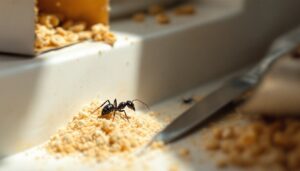
Insects: Carpenter ants leave sawdust-like frass near wood: termites leave mud tubes on foundations. Wasps and hornets build visible nests. Identify the species before removal, many are beneficial and rarely sting unless threatened.
Document evidence with photos and notes before starting control measures. This helps if you need to consult a professional or wildlife officer later.
Prevention Strategies: The First Line of Humane Defense
Prevention eliminates the need for removal. Most pests enter homes seeking three things: food, water, and shelter.
Seal Entry Points: Walk your home’s perimeter and inspect for gaps. Mice squeeze through openings as small as 1/4 inch (about the diameter of a pencil): rats need 1/2 inch. Seal cracks with steel wool stuffed into gaps, then cover with caulk or expanding foam. Steel wool prevents gnawing through. Replace damaged weatherstripping on doors and windows. Install 1/4-inch hardware cloth over foundation vents, crawl space openings, and attic vents.
Eliminate Food Sources: Store pantry goods in airtight metal or heavy plastic containers, not the original cardboard or plastic packaging. Clean up pet food after feeding times. Keep garbage in sealed bins. Clean kitchen surfaces nightly, and vacuum regularly to remove crumbs. Bird feeders attract rodents: place them at least 20 feet from the house or use baffles on poles.
Remove Water Access: Fix leaky pipes, faucets, and HVAC condensation lines. Don’t leave pet water bowls out overnight. Ensure gutters drain properly, standing water near foundations attracts pests.
Reduce Shelter: Trim tree branches back at least 6 feet from rooflines, rodents and squirrels use them as bridges. Stack firewood at least 20 feet from the house and 18 inches off the ground. Clear dense ground cover and debris near foundations. Store holiday decorations and stored items in sealed plastic bins rather than cardboard boxes, which rodents shred for nesting.
Maintain the Structure: Repair damaged roof shingles promptly. Install chimney caps with mesh screening. Secure crawl space doors. Many jurisdictions require professional pest control services to handle structural wildlife exclusion, check local regulations if dealing with larger animals or extensive damage.
DIY Humane Removal Methods for Indoor Pests
When prevention fails and pests move in, humane removal becomes necessary. DIY methods work well for minor infestations and single animals.
Live Traps and Catch-and-Release Techniques
Live traps capture animals without injury. Choose trap size based on the target species: small traps (5 x 5 x 16 inches) for mice: medium traps (7 x 7 x 24 inches) for rats, chipmunks, or squirrels: large traps (10 x 12 x 32 inches) for raccoons or opossums.
Bait with species-appropriate attractants. Peanut butter works for rodents. Sunflower seeds attract squirrels. Marshmallows work surprisingly well for raccoons. Place bait at the far end of the trap to ensure the animal fully enters and triggers the door.
Check traps every 4-6 hours, leaving animals confined longer causes stress, dehydration, and potential death, defeating the humane purpose. According to humane pest control guides, trapped animals should be released within a few hours of capture.
Place traps along known travel routes, against walls where you’ve seen droppings or rub marks. Cover traps with a light cloth to reduce stress for captured animals. Wear heavy gloves when handling traps with captured animals. Even “harmless” mice bite when frightened.
Release Protocol: Check local regulations before releasing wildlife. Many states prohibit relocating certain species or require release on the same property where captured. Release rodents at least 100 yards from any structure, preferably near natural cover but away from other homes. Release during daylight so animals can orient themselves. Never release in extreme weather (below 20°F or above 95°F).
One-Way Exclusion Doors: For animals nesting in attics or crawl spaces, install one-way exclusion doors over entry points. These let animals exit but prevent re-entry. Leave in place 3-5 days to ensure all animals (including young) have left, then seal the opening permanently. This works well for squirrels, raccoons, and bats.
Natural Deterrents and Repellents That Work
Deterrents make your home unappealing without harming pests. Effectiveness varies, some work better as prevention than removal once animals are established.
Scent-Based Repellents: Rodents dislike peppermint oil. Soak cotton balls in pure peppermint essential oil (not fragrance oil) and place in cupboards, under sinks, and near suspected entry points. Refresh weekly. Mothballs are often recommended but contain naphthalene or paradichlorobenzene, both toxic to pets and children. Skip them.
Ultrasonic Devices: These emit high-frequency sounds supposedly unbearable to pests. Independent testing shows mixed results. They may deter rodents temporarily, but animals often habituate within weeks. Use as a supplement, not a sole solution. Don’t rely on them for active infestations.
Visual and Motion Deterrents: For outdoor areas, motion-activated sprinklers startle animals without harm. Reflective tape or predator decoys (plastic owls) work briefly, but animals wise up quickly. Move decoys every few days and combine with other methods.
Ammonia Soaked Rags: Ammonia mimics predator urine. Place ammonia-soaked rags in plastic bags with holes near nesting areas (attics, crawl spaces). The smell encourages animals to relocate their families. Use in well-ventilated areas only, ammonia fumes are harsh. This is a short-term strategy while you complete exclusion work.
Natural Insect Repellents: Diatomaceous earth (food-grade only) kills insects mechanically by damaging their exoskeletons, but it’s humane for larger pests. Dust it in wall voids, behind appliances, and along baseboards to deter entry. Vinegar and water (1:1 ratio) disrupts ant pheromone trails. Spray where ants enter, then seal the gap.
Importantly, non-lethal rodent control methods emphasize combining multiple tactics rather than relying on single solutions. Layer prevention, exclusion, and deterrents for best results.
When to Call a Humane Pest Control Professional
Some situations exceed DIY capabilities. Know when to call for help.
Large or Dangerous Animals: Raccoons, opossums, and skunks carry rabies and other diseases. If you find one inside your home or in a high-traffic area, call a licensed wildlife control operator. Same for bats, rabies transmission is a serious concern, and live bats should only be handled by professionals with proper PPE.
Extensive Infestations: If you’re trapping multiple rodents daily with no decrease, you’re dealing with a colony requiring professional intervention. Professionals locate all entry points, install commercial-grade exclusion materials, and may use multi-catch live traps for efficiency.
Structural Damage: When pests have chewed through wiring, insulation, or structural wood, the problem goes beyond simple removal. You’ll need both pest control and repairs. Damaged electrical wiring creates fire hazards, address it immediately. Some pest control operations specialize in both removal and remediation.
Protected Species: Bats, certain birds, and some other species are federally or state-protected. Removing them without proper permits is illegal. Licensed professionals hold permits and know seasonal restrictions (like bat maternity seasons).
Persistent Problems Even though Prevention: If you’ve sealed entry points, removed attractants, and still have pests returning, a professional inspection may reveal issues you’ve missed, hidden entry points, moisture problems attracting pests, or nearby sources requiring neighborhood-level solutions.
Certification Matters: Look for professionals certified by the National Wildlife Control Operators Association (NWCOA) or similar organizations. Ask specifically about humane methods, not all pest control companies use them by default. Request live trapping and relocation rather than lethal methods. Get written estimates detailing methods, materials, and timeline.
Professionals also handle cleanup and sanitation, an often-overlooked but crucial step. Rodent urine and feces contain pathogens (hantavirus, leptospirosis). Proper remediation requires HEPA vacuums, sanitizing agents, and sometimes insulation replacement. Don’t attempt cleanup of heavy contamination without proper respiratory protection.
For ongoing issues, quarterly inspections offered by many preventative pest services catch problems before they escalate. Prevention remains the most humane, and cost-effective, approach long-term.