Table of Contents
ToggleFlying pests don’t knock before entering. They slip through torn screens, dart past open doors, and take up residence like they’ve paid rent. From mosquitoes buzzing around ears at midnight to fruit flies multiplying in kitchen sinks, these winged invaders disrupt peace and can spread disease. This guide walks homeowners through identifying, preventing, and eliminating flying pests using methods that actually work, from natural repellents to professional-grade solutions. Whether dealing with an occasional housefly or a full-blown infestation, understanding what works (and what wastes time) makes all the difference.
Key Takeaways
- Flying pest control starts with prevention—seal screens, eliminate standing water, and manage food sources to stop infestations before they take root.
- Different flying pests require different strategies; identifying whether you’re dealing with fruit flies, mosquitoes, wasps, or gnats determines the most effective treatment approach.
- Natural methods like apple cider vinegar traps and diatomaceous earth work for light infestations, but chemical residual sprays and professional services become necessary for severe or recurring problems.
- Mosquitoes can breed in spaces as small as a bottle cap of water, making yard maintenance within 100 feet of your home critical to preventing populations from exploding.
- Professional pest control is worth the investment for large nests, structural damage from carpenter bees, allergic household members, or health risks from mosquito-borne illnesses.
- Act quickly when infestations appear—a single female housefly can lay 500 eggs, and fruit flies mature in just 8 days, making population control exponentially harder once established.
Understanding Common Flying Pests in Your Home
Knowing the enemy is half the battle. Different flying pests require different strategies, and misidentifying the problem leads to wasted effort.
Houseflies are the most common intruders. They breed in garbage, compost, and pet waste, completing their life cycle in as little as 7-10 days. A single female can lay up to 500 eggs, making population explosions rapid.
Fruit flies (Drosophila) measure about 1/8 inch and gravitate toward overripe produce, drains, and recycling bins. They reproduce faster than houseflies, reaching maturity in just 8 days under ideal conditions.
Gnats (fungus gnats and drain flies) thrive in moist environments. Fungus gnats breed in overwatered houseplants, while drain flies emerge from biofilm buildup inside sink and shower drains. Both are weak fliers but persistent nuisances.
Mosquitoes need standing water to reproduce. Even a bottle cap filled with rainwater can support larvae. Different species feed at different times, Aedes mosquitoes are daytime biters, while Culex species prefer dusk and dawn.
Wasps and hornets become aggressive near nests, especially in late summer. Paper wasps build open, umbrella-shaped nests under eaves, while hornets construct enclosed, football-sized colonies.
Pantry moths (Indian meal moths) infest stored grains, flour, and pet food. Adult moths are harmless, but larvae contaminate food with silk webbing and waste.
Why Flying Pests Are More Than Just a Nuisance
Flying pests aren’t just annoying, they pose real health and structural risks that justify immediate action.
Disease transmission is the primary concern. Houseflies mechanically transfer pathogens from trash and feces to food surfaces, spreading E. coli, Salmonella, and dysentery. Mosquitoes transmit West Nile virus, Zika, and encephalitis through bites. According to data from Good Housekeeping, mosquito-borne illnesses have increased in frequency as climate patterns shift.
Allergic reactions to stings can be life-threatening. Wasps, hornets, and yellowjackets inject venom that causes localized swelling in most people, but triggers anaphylaxis in those with allergies. Unlike honeybees, these insects can sting multiple times.
Food contamination from pantry moths and fruit flies forces homeowners to discard groceries. Moth larvae can chew through cardboard and plastic packaging, making sealed containers essential.
Structural damage occurs when carpenter bees bore 1/2-inch diameter holes into wood siding, fascia, and decks. Unlike termites, they don’t consume wood but create galleries for nesting, weakening structural members over time.
Sleep disruption and stress shouldn’t be underestimated. The persistent whine of a mosquito or the erratic flight path of a trapped wasp affects quality of life and mental well-being.
Prevention Strategies to Keep Flying Pests Out
Prevention beats treatment every time. Most flying pest problems start with gaps, moisture, and food sources that are fixable with basic maintenance.
Seal entry points by inspecting window and door screens for tears. Standard 16×18 mesh (16 wires per inch horizontally, 18 vertically) stops most flying insects. Replace damaged screens immediately, patch kits work temporarily, but full replacement costs $15-30 per window and lasts years. Weatherstripping around doors should compress fully when closed, leaving no light gaps.
Eliminate standing water within 100 feet of the house. Mosquitoes don’t travel far from breeding sites. Empty bird baths twice weekly, clear clogged gutters, and drill drainage holes in trash can lids. For ornamental ponds, consider adding mosquito dunks containing Bacillus thuringiensis israelensis (BTI), which kills larvae without harming fish or plants.
Manage food sources by storing produce in the refrigerator and keeping counters free of crumbs. Rinse recyclables before binning them, fruit flies and wasps are attracted to residual sugars. Take garbage out nightly when flies are active. Pantry goods should go into airtight containers (OXO and Rubbermaid make models with silicone gaskets that block moths).
Reduce outdoor attractants by moving compost bins 50+ feet from the house and keeping lids secured. Don’t leave pet food outdoors overnight. Wasps scout for protein sources in spring and sugar in late summer, so clean grills after use and keep soda cans covered during cookouts.
Maintain proper drainage to prevent fungus gnats. Let houseplant soil dry 1-2 inches deep between waterings. Pour boiling water down seldom-used drains weekly to break down biofilm where drain flies breed. Homeowners dealing with persistent issues might need to investigate whether they need one-time pest control for a baseline knockdown.
Natural and DIY Flying Pest Control Methods
Natural methods work best for light infestations and as preventive measures. These won’t replace professional treatment for severe problems but keep populations manageable.
Apple cider vinegar traps catch fruit flies effectively. Pour 1/4 cup vinegar into a jar, add a drop of dish soap (breaks surface tension), and cover with plastic wrap secured by a rubber band. Poke 5-6 small holes with a toothpick. Flies enter but can’t escape. Replace weekly.
Essential oil repellents deter mosquitoes and houseflies. Mix 10-15 drops of eucalyptus, lemon eucalyptus, or citronella oil with 1 cup water in a spray bottle. Reapply every 2-3 hours, natural oils evaporate faster than synthetic repellents. Mint and basil plants near entryways provide mild deterrent effects.
Sticky traps work for fungus gnats and houseflies. Yellow cards coated with adhesive exploit phototaxis (attraction to light). Place them 2 inches above soil level for gnats or hang near windows for flies. According to recommendations found on The Spruce, traps should be replaced when 75% covered.
Manual removal is safest for wasps when nests are small (golf ball-sized or smaller). Spray at night when insects are dormant, using a 20-foot reach wasp spray containing pyrethroids. Wear long sleeves, gloves, and safety goggles. Remove the nest the next morning and seal the attachment point.
Diatomaceous earth (food-grade) dehydrates insects with exoskeletons. Dust a thin layer around doorways and windowsills. Wear a dust mask, it’s non-toxic but irritates lungs if inhaled. Reapply after rain or moisture exposure.
Fly paper and UV zappers provide passive control. Fly paper works anywhere flies rest, though it’s unsightly. UV zappers attract and electrocute insects, effective for garages and sheds, but studies show they kill more beneficial insects than pests when used outdoors.
Chemical Solutions and Professional-Grade Products
When natural methods fall short, chemical controls offer faster, longer-lasting results. Use them responsibly and according to label directions.
Residual sprays containing bifenthrin, deltamethrin, or lambda-cyhalothrin create barriers that kill flies, mosquitoes, and wasps on contact. Products like Talstar P or Suspend SC remain effective for 30-90 days when applied to soffits, eaves, and around windows. Mix concentrates according to label rates, typically 0.5-1 oz per gallon of water. Spray until surfaces are wet but not dripping.
Aerosol knockdown sprays with pyrethrins provide immediate kills but no residual. Use them for quick responses to wasps or hornet nests. Always have an escape route, angry insects can chase 50-100 feet.
Mosquito misting systems automate treatment in yards. Systems like MistAway or Mosquito Magician (natural oil-based) connect to outdoor water lines and spray at programmed intervals. Installation costs $2,000-3,500 professionally, or DIY kits run $500-1,200. Note that automatic systems may require permits in some jurisdictions.
Larvicides for mosquitoes include BTI dunks (mentioned earlier) and methoprene granules, which disrupt development. Treat standing water that can’t be drained, tree holes, rain barrels, and ornamental features. BTI is organic and safe for wildlife: methoprene is synthetic but low-toxicity.
Insect growth regulators (IGRs) like nylar or hydroprene prevent immature flies and moths from reaching adulthood. They don’t kill adults but break reproduction cycles. Use IGRs along with adulticides for comprehensive control. For homeowners who prefer professionals handle chemicals, exploring eco-friendly pest control options ensures family and pet safety.
Safety considerations: Always wear nitrile gloves, eye protection, and long sleeves when mixing or applying chemicals. Keep children and pets away from treated areas until surfaces dry (typically 2-4 hours). Store concentrates in original containers in a locked cabinet. Never apply indoor products outdoors or vice versa, formulations differ.
When to Call a Professional Exterminator
Some situations exceed DIY capabilities. Recognizing when to call pros saves time, money, and frustration.
Large or inaccessible nests require professional equipment and expertise. Hornets nests inside walls, attics, or 15+ feet off the ground pose fall risks and sting hazards. Pros use boom lifts, protective suits rated for hundreds of stings, and thermal imaging to locate hidden colonies. Costs range $150-500 depending on nest size and location.
Recurring infestations even though consistent DIY efforts indicate breeding sites you haven’t found. Professionals use crack-and-crevice treatments, void injections, and inspection tools (moisture meters, borescopes) that pinpoint problems. Drain flies traced to cracked sewer lines or fruit flies breeding in wall voids require structural repairs beyond pest control.
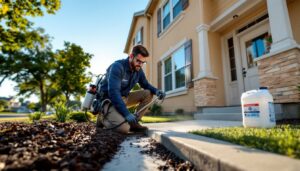
Health risks from mosquito-borne illness in endemic areas justify professional barrier treatments. Companies use backpack sprayers and high-volume foggers to treat entire properties, creating 30-90 day protection zones. Monthly service contracts cost $50-100 during mosquito season.
Carpenter bee damage to structural members needs assessment before treatment. If galleries extend 6+ inches or multiple generations have nested, wood replacement may be necessary. Pest control companies often coordinate with carpenters to treat and repair simultaneously.
Allergic household members change the risk calculation. If anyone has documented venom allergies, professional removal of any stinging insect nest is non-negotiable. The cost of an EpiPen and ER visit exceeds exterminator fees.
Business or rental properties have liability considerations. Landlords in most states must address pest problems affecting habitability. Commercial kitchens face health department scrutiny. Professional documentation and licensed applicators protect against lawsuits and violations. Curated recommendations from sources like Gardenista’s pest control collection provide homeowners with quality tools for minor issues, but pros bring EPA-registered products unavailable to consumers.
Conclusion
Flying pest control combines prevention, targeted treatments, and knowing when a problem exceeds DIY scope. Sealed screens, eliminated standing water, and proper food storage stop most infestations before they start. Natural methods handle minor issues, while chemical controls and professional services tackle severe cases. The key is matching the response to the threat, and acting before a few flies become hundreds.