Table of Contents
TogglePests don’t knock before they invade. They slip through cracks, hitch rides on firewood, and nest in the dark corners of your home before you’ve noticed. Whether it’s ants marching across your countertop or rodents scratching behind walls, pest problems escalate fast. Understanding effective pest management isn’t just about extermination, it’s about prevention, identification, and knowing when to handle things yourself versus when to dial the pros. This guide covers practical strategies every homeowner can use to protect their home from unwanted intruders.
Key Takeaways
- Bugaboo pest control is a comprehensive, preventive approach that combines identification, treatment, and ongoing vigilance to protect your home’s structural integrity and health, as pests reproduce quickly and cause significant property damage annually.
- Early identification of common household pests like ants, rodents, cockroaches, termites, and bed bugs through visual signs such as droppings, trails, or mud tubes determines whether DIY or professional treatment is most effective.
- Physical barriers, sanitation, and habitat modification—including sealing cracks, managing moisture, and decluttering—form the foundation of successful DIY pest control for homeowners tackling early-stage infestations.
- Natural and eco-friendly pest prevention strategies like essential oils, beneficial insects, and sticky traps offer non-toxic alternatives, though they work best for prevention and light infestations rather than severe problems.
- Professional pest control services are essential for structural infestations (termites, carpenter ants), health hazards (bed bugs, venomous spiders), and recurring problems that DIY methods cannot resolve within 4–6 weeks.
- Ongoing prevention through quarterly inspections, maintaining your home’s exterior, managing firewood storage, and considering professional quarterly maintenance plans ($100–$150 per visit) keeps future pest infestations at bay and protects your long-term investment.
What Is Bugaboo Pest Control and Why It Matters
Bugaboo pest control refers to a comprehensive approach to managing and eliminating pests that invade residential spaces. The term encompasses everything from identifying the culprits to implementing treatment strategies that prevent future problems.
Unlike reactive extermination, which only addresses visible infestations, effective pest control requires ongoing vigilance. Pests reproduce quickly: a few ants can signal a colony of thousands behind your walls. Rodents can chew through electrical wiring, creating fire hazards. Termites cause an estimated $5 billion in property damage annually in the U.S., according to the National Pest Management Association.
Homeowners who prioritize pest management protect structural integrity, prevent health risks (many pests carry pathogens or trigger allergies), and avoid costly repairs down the line. Think of it as preventive maintenance, like changing your HVAC filter or cleaning gutters. Neglect it, and you’ll pay more later.
The foundation of any pest control strategy starts with understanding what you’re dealing with and where vulnerabilities exist in your home’s envelope.
Common Household Pests and How to Identify Them
Knowing your enemy is half the battle. Here are the most common invaders and how to spot them:
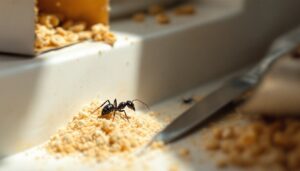
Ants: Look for trails along baseboards, windowsills, or toward food sources. Carpenter ants are larger (up to ½ inch) and burrow into wood, leaving sawdust-like frass. Odorous house ants emit a rotten coconut smell when crushed.
Rodents (Mice and Rats): Droppings near food storage, gnaw marks on wires or wood, and scratching sounds in walls or attics signal rodent activity. Mice produce 50–75 droppings per day, small, dark pellets about the size of a grain of rice.
Cockroaches: These nocturnal pests hide in warm, damp areas like under sinks or behind appliances. You might spot droppings (resembling ground pepper), egg casings, or a musty odor. German cockroaches are the most common indoor species, reproducing rapidly.
Termites: Mud tubes on foundation walls, hollow-sounding wood, discarded wings near windowsills, and small holes with frass indicate termite activity. Subterranean termites are the most destructive type in the U.S.
Spiders: While most are harmless, brown recluse and black widow spiders pose health risks. Look for webs in corners, basements, or garages. Brown recluse have a violin-shaped marking: black widows have a red hourglass on their abdomen.
Stink Bugs: These shield-shaped bugs congregate on sunny exterior walls in fall, seeking warm overwintering sites. When disturbed, they release a pungent odor. Managing stink bugs requires sealing entry points, as removal techniques emphasize exclusion over chemical treatments.
Bed Bugs: Rusty or reddish stains on sheets, tiny dark spots (fecal matter), and itchy bite marks in clusters or lines indicate bed bugs. Inspect mattress seams, box springs, and headboards.
Proper identification determines your treatment approach. Misidentifying pests wastes time and money on ineffective solutions.
DIY Pest Control Methods for Homeowners
Many pest problems can be tackled without hiring professionals, provided you act early and use the right methods.
Physical Barriers and Exclusion:
- Seal entry points: Use caulk or spray foam to fill cracks around windows, doors, pipes, and utility lines. Rodents can squeeze through openings as small as ¼ inch: use steel wool in larger gaps before sealing with foam.
- Install door sweeps: A ¼-inch gap under an exterior door is an open invitation. Rubber or brush sweeps create a tight seal.
- Repair screens: Patch or replace torn window and vent screens. Use 20-mesh or finer to keep out smaller insects.
- Cap chimneys and vents: Install mesh covers on chimneys and roof vents to block rodents and birds.
Sanitation and Habitat Modification:
- Eliminate food sources: Store pantry items in airtight containers (glass or heavy plastic). Clean up crumbs and spills immediately.
- Manage moisture: Fix leaky pipes, use dehumidifiers in basements, and ensure gutters drain properly. Pests need water: eliminate it, and many won’t stick around.
- Declutter: Cardboard boxes, stacks of paper, and cluttered storage areas provide nesting material and hiding spots. Switch to plastic bins with tight lids.
- Landscape maintenance: Trim tree branches and shrubs at least 3 feet away from your home’s exterior. Remove mulch or leaf litter within 6 inches of the foundation.
Chemical and Mechanical Controls:
- Baits and traps: Snap traps or electronic traps work well for rodents. Place them perpendicular to walls where droppings are visible. For ants, gel baits (like those containing borax) are carried back to the colony.
- Diatomaceous earth (DE): This powdery substance damages insect exoskeletons, causing dehydration. Apply food-grade DE in cracks, baseboards, and entry points. Wear a dust mask during application.
- Insecticidal sprays: Pyrethroid-based sprays (permethrin, bifenthrin) create a barrier around entry points. Apply to door thresholds, window frames, and foundation perimeters. Always follow label instructions and wear gloves and eye protection.
Safety note: When using chemical controls, keep children and pets away from treated areas until dry. Store products in original containers, out of reach.
Natural and Eco-Friendly Pest Prevention Strategies
If you prefer non-toxic approaches, several eco-friendly pest control methods offer effective alternatives.
Essential Oils and Botanical Repellents:
- Peppermint oil: Rodents and spiders dislike the scent. Mix 10–15 drops with water in a spray bottle: apply to entry points and corners.
- Cedarwood: Cedar blocks or chips repel moths, roaches, and some beetles. Place them in closets or storage areas.
- Neem oil: Diluted neem oil disrupts insect reproduction and feeding. Spray on plants or around windows.
Beneficial Insects and Biological Controls:
- Encourage natural predators like ladybugs (aphid control) and spiders (general insect control) in garden areas.
- Nematodes target soil-dwelling pests like grubs without harming plants or humans.
Heat and Cold Treatments:
- For bed bugs, wash bedding and clothing in hot water (at least 120°F) and dry on high heat for 30 minutes.
- Extreme cold (below 0°F for four days) can also kill bed bugs, though this requires specialized equipment or subzero weather.
Sticky Traps and Monitors:
- Non-toxic adhesive traps capture spiders, roaches, and crawling insects. Place them along baseboards and in corners to monitor activity and reduce populations.
Natural methods work best as part of an integrated approach. They’re most effective for prevention and light infestations, not severe problems.
When to Call Professional Pest Control Services
Some situations demand professional expertise. Here’s when to pick up the phone:
Structural Infestations:
- Termites: These pests cause hidden damage that DIY treatments can’t adequately address. Licensed professionals use soil treatments, bait systems, or fumigation (tenting) depending on the infestation level.
- Carpenter ants or carpenter bees: If you’re seeing large amounts of frass or structural damage, the colony is likely well-established and requires professional treatment.
Health Hazards:
- Bed bugs: These notoriously difficult pests require heat treatments, specialized insecticides, or fumigation. Over-the-counter sprays rarely eliminate entire populations.
- Venomous spiders or stinging insects: If you’ve identified black widows, brown recluse, or large wasp/hornet nests, hire a pro. The risk of bites or stings isn’t worth it.
- Rodent infestations in HVAC or walls: Rodents nesting in ducts or wall cavities spread droppings and dander throughout your home, triggering allergies and asthma. Professionals can safely remove contaminated insulation and sanitize affected areas.
Recurring Problems:
- If you’ve tried DIY methods for 4–6 weeks without success, the issue may be larger than you think. Professionals have access to commercial-grade products and the training to target nests or colonies.
Legal and Safety Concerns:
- Many states require licensed applicators for certain pesticides, especially for outdoor perimeter treatments or fumigation.
- If pests are affecting rental properties, landlords are typically responsible for hiring pest control under habitability codes.
Cost Considerations:
Professional services range from $100–$300 for a single treatment to $500–$2,500 for termite treatments or recurring service contracts. Regional pricing, infestation severity, and home size all factor in. Get multiple quotes and confirm licensing (check your state’s pesticide regulatory agency).
Reputable companies offer free inspections and provide detailed treatment plans. Avoid anyone who quotes over the phone without seeing the property.
Preventing Future Pest Infestations in Your Home
Prevention is cheaper and easier than eradication. Here’s how to keep pests out for good:
Routine Inspections:
- Walk your home’s perimeter quarterly, looking for cracks, gaps, or damage. Inspect the foundation, siding, roof eaves, and utility penetrations.
- Check attics and crawl spaces twice a year for signs of rodents, insects, or moisture issues.
Maintain the Building Envelope:
- Re-caulk windows and doors every 3–5 years. Weatherstripping wears out and should be replaced when you feel drafts.
- Inspect and repair soffits, fascia, and roof vents. Damaged areas allow entry for bats, squirrels, and birds.
Manage Firewood and Outdoor Storage:
- Stack firewood at least 20 feet from the house and 6 inches off the ground on a rack. Termites, ants, and spiders love woodpiles.
- Store lawn equipment, grills, and tools in sheds or garages, not against the house.
Control Lighting:
- Exterior lights attract flying insects. Use yellow or sodium vapor bulbs, which are less attractive to bugs, or install motion-sensor lights to reduce “on” time.
- Position lights away from doors: illuminate the path instead of the entry.
Seasonal Strategies:
- Spring: Inspect for overwintering pests leaving your home. Seal any new cracks or gaps discovered during winter freeze-thaw cycles.
- Summer: Monitor for ants and flies. Keep garbage cans sealed and hose them out monthly.
- Fall: This is peak entry season as pests seek warmth. Prevention methods for overwintering pests like stink bugs include caulking and installing door sweeps before temperatures drop.
- Winter: Check attics and basements for rodent activity. They’re seeking shelter and food during cold months.
Professional Preventative Services:
Many pest control companies offer quarterly maintenance plans ($100–$150 per visit) that include perimeter treatments and inspections. These programs catch problems early and often come with warranties or free re-treatments between visits.
Consider investing in these services if you’ve had recurring issues or live in an area with high pest pressure (wooded lots, older homes, humid climates).
Conclusion
Effective pest control isn’t a one-time fix, it’s ongoing vigilance combined with smart prevention. Start with exclusion and sanitation, use DIY methods for early-stage problems, and don’t hesitate to call professionals when infestations outpace your efforts. Your home is a long-term investment: protecting it from pests protects your equity, your health, and your peace of mind.