Table of Contents
TogglePests don’t respect property lines. Whether it’s ants marching through the kitchen, mice scratching in the walls, or wasps building nests under the eaves, dealing with infestations requires more than a can of spray from the hardware store. Indianapolis homeowners face a rotating cast of pest challenges, termites in spring, mosquitoes all summer, and rodents looking for winter shelter. Aptive Pest Control operates throughout the Indianapolis area, offering scheduled service plans aimed at year-round prevention. But how does their approach stack up against DIY methods or other local providers? This guide breaks down what Aptive brings to the table, what it costs, and whether it’s the right fit for your home.
Key Takeaways
- Aptive Pest Control in Indianapolis uses integrated pest management (IPM) to strategically treat common residential pests like ants, termites, rodents, and mosquitoes with environmentally responsible products on a bi-monthly schedule.
- Initial Aptive pest control treatments in Indianapolis typically cost $150–$300, with recurring bi-monthly visits between $75–$150, requiring a 12-month commitment with a service guarantee for free re-treatments between scheduled visits.
- DIY pest control only works for minor, isolated problems; professional Aptive technicians have diagnostic expertise, access to professional-grade products, and proper equipment to treat structural voids and foundation barriers that homeowners cannot effectively reach or identify.
- Aptive Pest Control maintains 3.5 to 4-star ratings in Indianapolis with praise for punctual service and reliable guarantees, though some customers report contract rigidity, aggressive sales tactics, and occasional inconsistent results requiring follow-up treatments.
- Aptive is the right choice for recurring pest pressure and multiple pest issues but may not suit homeowners with isolated problems, those preferring flexible month-to-month service, or individuals wanting to avoid long-term contracts and pushy sales approaches.
What Is Aptive Pest Control and How Does It Operate in Indianapolis?
Aptive Environmental is a national pest control company founded in 2015, with service areas across the U.S., including the Indianapolis metro and surrounding counties. The company uses what they call an “environmentally responsible” approach, focusing on lower-impact products applied strategically rather than blanket chemical treatments.
Their Indianapolis operations follow a subscription model. After an initial treatment, technicians return on a recurring schedule, typically every other month, to inspect, treat problem areas, and apply exterior perimeter barriers. Service areas include Marion County, Hamilton County, Hendricks County, and other nearby communities.
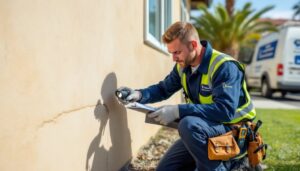
Aptive emphasizes integrated pest management (IPM), which means identifying the pest, locating entry points and harborage areas, then treating strategically. For example, treating a carpenter ant problem involves more than spraying baseboards: technicians look for moisture issues, wood-to-ground contact, and satellite colonies.
The company provides both interior and exterior treatments. Exterior work focuses on foundation perimeters, eaves, window frames, and other entry zones. Interior treatments target baseboard voids, wall voids, attics, and crawlspaces as needed. Aptive handles common Indianapolis pests: ants, spiders, roaches, wasps, mice, rats, termites, mosquitoes, and stink bugs.
One operational detail worth noting: Aptive technicians typically don’t require homeowners to be present for routine visits. They’ll treat the exterior and notify you afterward. If interior access is needed, they’ll coordinate directly.
Services Offered by Aptive Pest Control in the Indianapolis Area
Aptive’s service lineup covers the full range of residential pest issues Indianapolis homeowners encounter. Here’s what’s included:
General Pest Control: This is the core service. It covers ants, spiders, roaches, silverfish, earwigs, millipedes, centipedes, crickets, and wasps. Treatments occur on a scheduled basis (usually bi-monthly), with exterior barrier applications and interior spot treatments as needed.
Rodent Control: Mice and rats are handled through exclusion, trapping, and baiting. Technicians identify entry points, gaps around utility penetrations, foundation cracks, roof vents, and recommend sealing them. Aptive may install bait stations in attics, basements, or crawlspaces. This isn’t a one-time pest solution: rodent work requires follow-up visits to monitor traps and adjust bait placements.
Termite Treatment: Aptive offers both liquid termiticide treatments and bait monitoring systems. Liquid treatments involve trenching around the foundation and applying termiticide to create a barrier. Bait systems use in-ground stations monitored on a schedule. Indiana’s termite season runs from late March through October, with subterranean termites being the primary concern.
Mosquito Control: Seasonal mosquito treatments target standing water sources, shaded vegetation, and resting areas. Aptive applies treatments every 21 days during mosquito season (roughly April through September in Indianapolis). They use both larvicides and adulticides, depending on the situation.
Specialty Treatments: Aptive handles bed bugs, fleas, ticks, and stink bugs as add-ons. Bed bug treatments typically require preparation, washing linens, vacuuming, clearing clutter, and may involve heat or chemical applications depending on the infestation level.
All services come with a service guarantee: if pests return between scheduled visits, Aptive will re-treat at no extra charge. You’ll need to contact them within a specified window, usually within 30 days of the last service.
Pricing and Service Plans: What Indianapolis Homeowners Can Expect
Aptive doesn’t publish flat rates online: pricing varies based on home size, property conditions, pest pressure, and service frequency. But, Indianapolis-area customers report initial treatments ranging from $150 to $300, with recurring bi-monthly visits between $75 and $150.
The company offers several plan tiers:
- Basic Plan: Covers general pests (ants, spiders, roaches, wasps). Bi-monthly service.
- Premium Plan: Adds rodent control and mosquito treatments during active seasons.
- Termite Protection Plan: Separate add-on with annual inspections and warranty coverage.
Most plans require a 12-month commitment. Early cancellation may incur fees, so read the contract terms carefully. Aptive occasionally runs promotional pricing for new customers, discounted initial treatments or waived service fees for the first few months.
For comparison, major pest control providers in Indianapolis charge similar rates. National chains like Orkin or Terminix typically price within the same range, while smaller local companies may offer slightly lower rates but less comprehensive guarantees.
Material costs for DIY: A gallon of professional-grade liquid insecticide (like bifenthrin or cypermethrin) runs $40–$80 and covers about 2,000 linear feet. A quality pump sprayer costs $50–$100. Bait stations, traps, and termiticide add up quickly, and most homeowners lack the diagnostic skills to identify pest species accurately or locate harborage areas.
Regional pricing factors matter. Indianapolis sits in a moderate pest pressure zone, not as intense as the Deep South, but still dealing with termites, mosquitoes, and a variety of structural pests. Costs can spike for larger homes (over 3,000 sq ft) or properties with significant pest issues requiring intensive initial treatments.
How Aptive’s Approach Compares to DIY Pest Control Methods
DIY pest control works for minor, isolated problems, a few ants on the counter, a single wasp nest, or a mouse in the garage. But when infestations become recurring or spread through wall voids, attics, or crawlspaces, DIY methods hit their limits fast.
Diagnostic accuracy is the first hurdle. Carpenter ants vs. termites? Roof rats vs. house mice? Misidentifying the pest leads to ineffective treatments. Aptive technicians are trained to recognize species, life stages, and behavior patterns. They know that treating pavement ants requires finding the colony under the driveway slab, not just spraying the foragers in the kitchen.
Product access is another gap. Over-the-counter sprays contain lower concentrations of active ingredients than professional-grade products. A consumer permethrin spray might be 0.5% active ingredient: professionals use concentrations up to 10% or switch to non-repellent options like fipronil that pests can’t detect and avoid.
Many eco-friendly pest control methods reduce chemical exposure while maintaining effectiveness, an approach Aptive incorporates selectively.
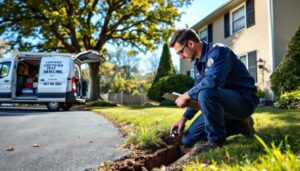
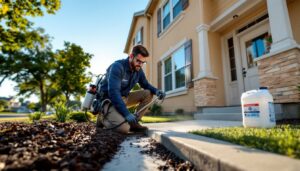
Application equipment matters, too. A handheld spray bottle covers maybe 10 linear feet at a time. Professionals use backpack sprayers, power foggers, and dust applicators to reach soffits, foundation voids, and attic spaces. A proper exterior barrier treatment requires treating 18–24 inches up the foundation and 3–6 feet out onto soil or mulch.
Safety and regulations: Homeowners can legally buy many restricted-use pesticides, but misapplication creates risks. Overspraying indoors contaminates surfaces. Under-treating exterior zones leaves gaps pests exploit. Aptive technicians carry certifications required by the Indiana Pesticide Review Board and follow label rates and re-entry intervals.
Time investment: A thorough DIY treatment of a 2,000 sq ft home, mixing products, treating perimeter, spot-treating interior, cleaning equipment, takes 3–4 hours. Recurring treatments every 60 days add up. For homeowners comfortable with the work, that’s manageable. For others, the convenience of scheduled professional service justifies the cost.
When DIY makes sense: isolated issues, small-scale problems (a few ants, one wasp nest), and homeowners willing to research pest ID and proper product use. When professional service makes sense: recurring infestations, structural pests (termites, carpenter ants), rodents in wall voids, or simply not wanting to deal with it.
Customer Reviews and Reputation in Indianapolis
Aptive’s Indianapolis customer feedback shows a mixed but generally positive pattern. The company maintains ratings around 3.5 to 4 stars across major review platforms, with specific praise and criticism emerging consistently.
Common positive feedback:
- Technicians are punctual and professional.
- The service guarantee (free re-treatments between scheduled visits) is honored without hassle.
- Pest pressure drops significantly after the first few treatments.
- Communication is solid, text alerts before visits, follow-up calls if issues arise.
Common complaints:
- Contract terms: Some customers report difficulty canceling service or unexpected fees.
- Sales tactics: Initial consultations can feel pushy, with upsells for premium plans or add-on services.
- Inconsistent results: A few customers report pests returning between treatments, requiring multiple re-treatments.
- Billing issues: Occasional complaints about charges appearing after cancellation requests.
Comparing Aptive to other Indianapolis pest control options: local companies often receive higher satisfaction scores for personalized service and flexibility, while national chains like Orkin and Terminix have similar review patterns, strong service quality but contract rigidity.
One detail that stands out: Aptive’s model relies heavily on door-to-door sales, which some homeowners find off-putting. Technicians and sales reps may canvas neighborhoods after treating one home, offering discounts to nearby properties. This isn’t inherently bad, but it contributes to the “pushy sales” reputation.
For homeowners researching options, platforms like HomeAdvisor provide cost comparisons and contractor reviews across multiple providers, helping you weigh Aptive against local alternatives.
Better Business Bureau (BBB) ratings show Aptive with a B+ to A- rating, with most complaints revolving around contract disputes rather than service quality. The company typically responds to complaints and offers resolutions, which is a positive sign.
Is Aptive Pest Control the Right Choice for Your Indianapolis Home?
Choosing a pest control provider depends on your specific situation, budget, and tolerance for DIY troubleshooting. Here’s when Aptive makes sense, and when it doesn’t.
Aptive is a solid fit if:
- You’re dealing with recurring pest pressure, ants every spring, spiders every fall, mosquitoes all summer.
- You want scheduled, proactive service rather than reactive treatments.
- You prefer a company with a service guarantee and are comfortable with a 12-month commitment.
- Your property has multiple pest issues (general pests plus rodents or termites).
- You don’t want to handle mixing chemicals, buying equipment, or troubleshooting treatments.
Consider alternatives if:
- You have a one-time pest issue (a single wasp nest, a few ants). Comparing pricing options across providers helps identify the most cost-effective solution for isolated problems.
- You’re handy, comfortable with research, and willing to invest time in DIY treatments.
- You prefer month-to-month flexibility without long-term contracts. Some local Indianapolis pest control companies offer pay-per-visit service.
- You’ve had negative experiences with aggressive sales tactics and want a low-pressure consultation.
Questions to ask Aptive (or any pest control company) before signing:
- What’s the total contract length, and what are the cancellation terms?
- Which pests are covered under the base plan vs. add-ons?
- How often will treatments occur, and what happens if pests return between visits?
- Are interior treatments standard, or do they require a service call?
- What products will be used, and are there pet-safe or low-toxicity options?
- Is there a warranty for termite treatments, and what does it cover?
Safety considerations: If you have young children, pets, or family members with chemical sensitivities, ask about product options. Aptive uses some lower-impact formulations, but all pesticides carry risks if misapplied or contacted before drying. Technicians should provide re-entry timeframes (typically 2–4 hours for exterior treatments, longer for interior applications).
Local alternatives: Indianapolis has several reputable local pest control companies, some family-owned operations with decades of experience. These often provide more personalized service and flexible pricing. Platforms like Houzz include contractor directories with verified reviews, making it easier to compare local options.
Eventually, Aptive offers solid service quality and a comprehensive approach, but it’s not the only game in town. Compare quotes, read the contract carefully, and choose the provider that matches your priorities.
Conclusion
Aptive Pest Control brings a structured, proactive approach to Indianapolis pest management, covering everything from ants and spiders to termites and rodents. Their service guarantee and bi-monthly scheduling appeal to homeowners tired of battling recurring infestations. But the 12-month contract and variable pricing mean it’s not a fit for everyone. Whether you go with Aptive, a local provider, or tackle it yourself, the key is consistent treatment and addressing the root causes, entry points, moisture issues, and harborage areas. Pests don’t take breaks, so your strategy shouldn’t either.