Table of Contents
TogglePests don’t respect property lines or closed doors. Whether it’s a line of ants marching through the kitchen or the telltale scratch of rodents in the walls, dealing with unwanted critters is one of the least glamorous parts of homeownership. But ignoring the problem won’t make it disappear, it’ll just give those invaders time to multiply and settle in. This guide walks through the essentials of pest control: what it means, how to identify common culprits, which DIY tactics actually work, and when it’s time to call in the pros.
Key Takeaways
- Mission pest control is a systematic, strategic approach that protects your home’s structural integrity, health, and property value by addressing infestations before they multiply and cause costly damage.
- Identifying common household pests early—like ants, rodents, cockroaches, and termites—is crucial to choosing effective DIY treatments or knowing when professional pest control is necessary.
- Effective DIY pest control methods include baits and traps, residual insecticides, diatomaceous earth, and physical exclusion like sealing gaps and caulking entry points.
- Natural, eco-friendly pest prevention strategies such as essential oils, beneficial insects, copper mesh barriers, and cultural practices work well for homeowners prioritizing chemical-free solutions.
- Call a licensed professional pest control service when infestations are widespread, structural pests like termites are present, or health risks are involved—professional treatment typically costs $100-$300 for one-time service.
- Year-round pest prevention through sanitation, moisture control, landscaping maintenance, routine inspections, and seasonal checks keeps pest populations manageable and prevents expensive structural damage.
What Is Mission Pest Control and Why Does It Matter?
Pest control isn’t just about swatting flies or setting a mousetrap. It’s a systematic approach to managing, reducing, or eliminating organisms that threaten health, property, or comfort. The term “mission” in this context refers to a focused, strategic effort, treating pest management as an ongoing responsibility rather than a one-off reaction.
Why it matters: Pests carry disease, damage structural components, contaminate food, and compromise insulation and wiring. Termites alone cause billions in property damage annually in the U.S. Rodents chew through electrical wiring, creating fire hazards. Cockroaches and rodents spread pathogens like Salmonella and Hantavirus.
Effective pest control protects the investment in a home, maintains indoor air quality, and reduces health risks. It also preserves peace of mind, there’s nothing worse than lying awake wondering what’s scratching inside the walls. Homeowners who address pest issues early save money and avoid the headache of full-blown infestations that require fumigation or structural repairs.
Common Household Pests and How to Identify Them
Knowing what you’re dealing with is half the battle. Here are the most frequent home invaders and how to spot them:
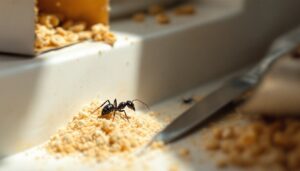
Ants: Tiny, organized, and relentless. Look for trails along baseboards, countertops, or window sills. Carpenter ants are larger (up to ½ inch) and tunnel into wood, leaving sawdust-like frass near entry points.
Cockroaches: Flat, fast, and nocturnal. German cockroaches (about ½ inch, tan with two dark stripes) prefer kitchens and bathrooms. American cockroaches (up to 2 inches, reddish-brown) often enter from sewers or crawl spaces. Signs include droppings that resemble coffee grounds and a musty odor.
Rodents: Mice leave small, rice-shaped droppings and gnaw marks on food packaging and wiring. Rats produce larger, blunt-ended droppings and greasy rub marks along walls. Both species are most active at night. If considering professional help for rodent issues, pricing varies widely based on infestation severity.
Termites: Subterranean termites build mud tubes along foundation walls. Drywood termites leave small piles of wood-colored pellets near infested wood. Swarmers (winged termites) appear in spring, often near windows.
Spiders: Most are harmless and actually help control other pests. Black widows and brown recluses, but, pose health risks. Black widows are shiny black with a red hourglass marking: brown recluses are tan to brown with a violin-shaped mark on the back.
Bed bugs: Reddish-brown, flat, and about the size of an apple seed. They hide in mattress seams, box springs, and furniture cracks. Signs include tiny blood spots on sheets, dark fecal stains, and itchy bite marks in clusters or lines.
DIY Pest Control Methods for Homeowners
Many pest problems can be handled without calling in reinforcements, especially if caught early. Here’s what works:
Baits and Traps:
- Snap traps work well for mice when placed perpendicular to walls with the trigger side facing the baseboard. Peanut butter is more effective than cheese.
- Gel baits for ants and roaches draw pests back to the colony, killing the source. Apply in small dots near entry points and along trails.
- Glue boards capture crawling insects and rodents but require frequent checking.
Insecticides:
- Residual sprays containing pyrethroids create a barrier along baseboards, door frames, and foundation perimeters. Reapply every 30-60 days or after rain.
- Diatomaceous earth (food-grade) is a non-toxic powder that damages insect exoskeletons. Dust lightly in cracks, behind appliances, and along entry points. Wear a dust mask during application, it’s fine once settled but irritating when airborne.
- Boric acid powder kills roaches and ants that ingest it. Apply in voids, under sinks, and behind outlets. Keep away from pets and children.
Exclusion:
Sealing entry points is the most effective long-term strategy. Use:
- Caulk (silicone or acrylic latex) for gaps under ¼ inch around windows, pipes, and baseboards.
- Expanding foam for larger gaps around utility penetrations.
- Steel wool stuffed into holes before foaming, rodents can’t chew through it.
- Door sweeps and weatherstripping to eliminate gaps under doors.
Natural and Chemical-Free Pest Prevention Strategies
For those prioritizing eco-friendly approaches, several non-toxic methods work well:
Essential Oils:
- Peppermint oil deters mice and spiders. Mix 10-15 drops with water in a spray bottle and apply along entry points.
- Cedarwood oil repels moths, fleas, and some beetles. Spray or use cedar blocks in closets and storage areas.
Beneficial Insects:
Ladybugs consume aphids, and nematodes attack soil-dwelling pests like grubs. Available at garden centers, they provide biological control without chemicals.
Physical Barriers:
- Copper mesh in weep holes and vents blocks rodents while allowing drainage.
- Window screens (16-18 mesh minimum) keep flying insects out.
- Yellow sticky traps capture fungus gnats and whiteflies without pesticides.
Cultural Practices:
- Store dry goods in airtight containers (glass or heavy plastic).
- Fix leaks immediately, most pests need water to survive.
- Keep firewood stacked at least 20 feet from the house and off the ground.
- Trim vegetation so it doesn’t touch siding or the roof.
When to Call a Professional Pest Control Service
Some situations exceed DIY capabilities. Call a licensed professional when:
Infestations Are Widespread:
If you’re seeing pests in multiple rooms or finding evidence daily even though your efforts, the population has likely outgrown what traps and sprays can handle. For severe roach infestations, professional treatments often include specialized baits and growth regulators unavailable to consumers.
Structural Pests Are Present:
Termites and carpenter ants cause hidden damage that worsens over time. Professionals use moisture meters, thermal imaging, and borescopes to assess damage and locate colonies. Treatment may involve liquid termiticides, bait stations, or fumigation, none of which are DIY-friendly.
Health Risks Are Involved:
Bed bugs, venomous spiders, and disease-carrying rodents require expertise. Bed bug treatment often combines heat treatment (raising room temperature to 120-140°F), steam, and residual insecticides, equipment and methods beyond most homeowner toolkits.
You’re Not Sure What You’re Dealing With:
Misidentifying pests leads to wasted time and money. A pro can ID the species, locate harborages, and recommend targeted solutions.
Code or Lease Requirements Apply:
Some municipalities require licensed applicators for certain pesticides. Rental agreements may also specify professional treatment. Many reputable services offer free inspections and quotes.
What to Expect from a Pro:
- Inspection: Thorough assessment of interior, exterior, attic, and crawl space.
- Treatment plan: Written proposal outlining methods, products, schedule, and cost.
- Follow-up: Most services include re-treatment within a warranty period (30-90 days typical).
- Documentation: Receipts and treatment records, which may be required for real estate transactions.
Pricing varies widely by region, pest type, and property size. Expect $100-$300 for a one-time service, $300-$600 annually for preventative plans, and $1,200-$2,500+ for termite treatment. According to cost estimators, most homeowners pay around $175 for a standard service call.
Preventative Measures to Keep Your Home Pest-Free Year-Round
An ounce of prevention beats a pound of pesticide. Here’s how to keep pests from gaining a foothold:
Sanitation:
- Wipe counters and sweep floors daily. Crumbs and spills are pest magnets.
- Take out garbage nightly and use bins with tight-fitting lids.
- Clean pet food bowls immediately after feeding. Store pet food in sealed containers.
- Don’t let dirty dishes pile up, wash or rinse them promptly.
Moisture Control:
Pests need water. Fix leaky faucets, pipes, and roof damage. Use a dehumidifier in damp basements and crawl spaces (aim for 30-50% relative humidity). Ensure gutters and downspouts direct water away from the foundation.
Landscaping and Exterior Maintenance:
- Maintain a 12-18 inch clearance between mulch/soil and siding.
- Trim tree branches so they don’t overhang the roof, these are highways for ants, rodents, and squirrels.
- Repair torn screens and damaged soffits.
- Install chimney caps and vent covers with mesh screening.
Storage Practices:
- Elevate stored items in basements and garages on shelves or pallets. Don’t stack cardboard boxes on the floor, they attract silverfish and provide rodent nesting material.
- Rotate stored food and inspect periodically for signs of pests.
Routine Inspections:
Walk the perimeter of the home monthly, checking for new cracks, gaps, or pest activity. Inspect the attic and crawl space twice a year for droppings, nests, or damage. Early detection is far easier to address than a full-scale infestation.
Seasonal Tips:
- Spring: Seal cracks as temperatures rise and insects become active. Check for termite swarmers.
- Summer: Inspect for wasp nests under eaves and in sheds. Keep doors and windows screened.
- Fall: Rodents seek indoor shelter as temperatures drop. Check weatherstripping and door sweeps.
- Winter: Monitor attics for signs of overwintering pests like cluster flies or ladybugs.
As home improvement experts note, integrating pest prevention into routine maintenance saves time and money. Think of it like changing the furnace filter, it’s a small task that prevents bigger headaches.
Conclusion
Pest control isn’t about perfection, no home is 100% pest-proof. But a proactive, systematic approach keeps populations manageable and prevents costly damage. Start with sanitation and exclusion, use targeted DIY methods for minor issues, and don’t hesitate to call a pro when the situation warrants it. Regular inspections and maintenance turn pest control from a crisis into a routine part of homeownership. Stay ahead of the invaders, and the home stays comfortable, safe, and yours.