Table of Contents
TogglePests don’t care about property lines. Whether a home sits miles from the coast or nestled in the heartland, uninvited critters find their way in through cracks, vents, and open doors. Landlocked properties face unique pest pressures, rodents seeking warmth in winter, insects thriving in dry summers, and wildlife adapting to suburban sprawl. Effective pest control starts with understanding what’s crawling around, knowing which battles homeowners can tackle themselves, and recognizing when to call in the pros. This guide breaks down the pests common to landlocked areas and the practical steps to keep them out.
Key Takeaways
- Landlock pest control requires sealing gaps larger than ¼ inch with silicone caulk, expanding foam, and hardware cloth to prevent rodents and insects from entering your home.
- Common landlocked area pests include mice, rats, carpenter ants, boxelder bugs, and cluster flies that seek warmth and food indoors during temperature extremes.
- Snap traps with peanut butter bait and diatomaceous earth are effective DIY prevention methods when combined with habitat modifications like removing mulch and trimming vegetation.
- Call a professional pest control operator if rodent trapping fails after two weeks, structural damage is visible, or venomous spiders appear in living areas.
- Quarterly foundation inspections, annual vent screen replacements, and maintaining indoor humidity below 50% prevent most pest infestations in landlocked properties.
- Yellow bug lights and motion-sensor outdoor lighting reduce insect attraction, complementing your overall landlock pest control strategy.
What Is Landlock Pest Control?
Landlock pest control refers to the strategies and methods used to manage and eliminate pests in properties that are geographically distant from coastal areas. Unlike coastal homes that contend with moisture-loving pests like termites and certain ant species, landlocked properties deal with a different roster of invaders shaped by climate, terrain, and local ecosystems.
These homes often sit in regions with temperature extremes, hot, dry summers and cold winters, which drive pests indoors seeking food, water, and shelter. Rodents, spiders, beetles, and occasional invaders like boxelder bugs or stink bugs are common culprits. The approach to pest control in these areas emphasizes exclusion, habitat modification, and targeted treatments rather than blanket chemical applications.
Effective landlock pest control blends DIY prevention with professional intervention when infestations exceed what traps and sealants can handle. It’s not about eliminating every bug in the yard, it’s about keeping them out of the house and off the foundation.
Common Pests Faced by Landlocked Homeowners
Rodents and Small Mammals
Mice and rats top the list for landlocked homes, especially as temperatures drop. A mouse can squeeze through a gap as small as ¼ inch, roughly the diameter of a dime. They nest in wall voids, attics, and basements, chewing through wiring, insulation, and stored goods. Rats, particularly Norway rats, burrow along foundations and enter through damaged vents or gaps around utility penetrations.
Voles and shrews sometimes make their way into crawl spaces or attached garages, though they’re less common indoors than mice. Look for droppings, gnaw marks on wood or plastic, and greasy rub marks along baseboards, signs of active rodent traffic.
Insects and Arthropods
Spiders thrive in landlocked climates, particularly in basements, garages, and storage areas. Most are harmless and even beneficial, feeding on other insects. Brown recluse and black widow spiders, but, require caution and targeted removal.
Boxelder bugs, stink bugs, and cluster flies invade in fall, seeking warm overwintering sites. They congregate on south-facing walls before slipping indoors through cracks around windows and doors. While they don’t reproduce indoors, their sheer numbers can be overwhelming.
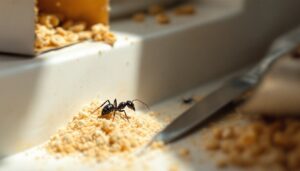
Carpenter ants excavate galleries in moist or damaged wood, particularly where roof leaks or plumbing issues create soft spots. Unlike termites, they don’t eat wood, they just hollow it out for nesting. Homeowners dealing with moisture problems may also face challenges similar to those needing one-time interventions for sudden infestations.
Camel crickets, silverfish, and centipedes prefer damp basements and crawl spaces. They’re moisture indicators, if they’re present, there’s likely a humidity or drainage issue to address.
Effective DIY Pest Control Methods for Landlocked Properties
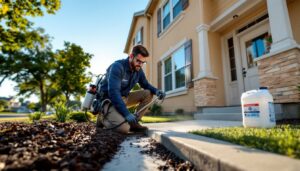
Most pest problems start outside. Walk the perimeter and seal every gap, crack, and opening larger than ¼ inch. Use the following materials based on the location:
- Silicone caulk for small cracks around windows, door frames, and utility penetrations
- Expanding foam for larger gaps around pipes and wires (trim flush after curing)
- Copper mesh or steel wool stuffed into weep holes and vent openings (rodents can’t chew through it)
- Door sweeps on all exterior doors, including garage doors
Check soffit vents, gable vents, and foundation vents for torn screens or gaps. Replace damaged vent covers with ¼-inch hardware cloth, secured with screws, not staples.
Trim tree branches and shrubs back at least 3 feet from the house. Overhanging limbs provide highways for rodents and insects. Rake leaf litter, woodpiles, and mulch away from the foundation, store firewood at least 20 feet from the structure and elevate it off the ground.
For rodents, snap traps remain the most effective DIY option. Place them perpendicular to walls with the trigger end facing the baseboard. Bait with peanut butter, bacon, or a sunflower seed. Check traps daily. Glue boards work in tight spaces like behind appliances, but they’re less humane.
Bait stations with rodenticide are an option for severe infestations, but use them cautiously. Rodents may die inside walls, creating odor problems. Always follow label directions and keep stations out of reach of children and pets. Wear nitrile gloves when handling traps or bait to avoid leaving human scent.
Insect control starts with reducing attractants. Fix leaky faucets, seal food in airtight containers, and clean up crumbs and spills immediately. Deploy diatomaceous earth (food-grade) in cracks, along baseboards, and in crawl spaces. It’s a mechanical insecticide, it damages insect exoskeletons and causes dehydration.
Sticky traps placed along baseboards and in corners help monitor insect activity and identify problem areas. For spiders, vacuum webs and egg sacs regularly. A shop vac with a HEPA filter works well for large-scale cleanups. According to HomeAdvisor, homeowners tackling pest issues themselves can save significantly compared to monthly service contracts.
When to Call Professional Pest Control Services
Some infestations exceed DIY capacity. Call a licensed pest control operator if:
- Rodent trapping efforts fail after two weeks of consistent placement and baiting
- Structural damage from carpenter ants, wood-boring beetles, or rodents is visible
- Multiple rodent entry points exist, requiring exclusion work beyond a homeowner’s skillset
- Venomous spiders (brown recluse, black widow) are present in living areas
- Recurring infestations happen even though sealing and sanitation efforts
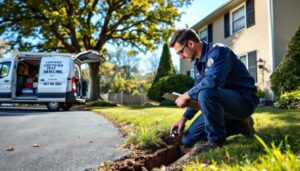
Professionals bring tools homeowners don’t typically own: thermal imaging cameras to locate rodent nests in walls, dust applicators for insecticide in wall voids, and exclusion materials like one-way doors for wildlife. They also carry commercial-grade products not available at retail stores.
Before hiring, ask for proof of licensing and insurance. Most states require pest control operators to hold certifications in categories like general pest, rodent control, or termite work. Request a written estimate that specifies the treatment plan, products used, and warranty terms. Customers researching regional providers can compare feedback on platforms like Angi to evaluate service quality.
For homes with ongoing moisture issues attracting pests, professionals may recommend pairing pest control with foundation grading or crawl space encapsulation. Those considering eco-friendly alternatives should discuss botanical insecticides and mechanical exclusion methods during consultations.
Preventative Measures to Keep Your Home Pest-Free
Prevention beats eradication every time. Start with the following maintenance schedule:
Quarterly:
- Inspect and replace weatherstripping on doors and windows
- Check foundation for new cracks: seal with polyurethane or epoxy crack filler
- Clean gutters and extend downspouts at least 6 feet from the foundation
- Inspect attic and crawl space for new entry points or signs of activity
Annually:
- Replace damaged vent screens and soffit vents
- Inspect roof for gaps around chimneys, vent pipes, and flashing
- Trim back vegetation and remove debris from around the foundation
- Test sump pumps and repair any plumbing leaks
Indoors, store pantry goods in airtight plastic or glass containers. Rodents chew through cardboard and thin plastic bags overnight. Vacuum regularly, especially under appliances and furniture where crumbs accumulate.
In basements and crawl spaces, use a dehumidifier to keep relative humidity below 50%. High moisture attracts silverfish, centipedes, and mold mites. Seal concrete floors with epoxy or masonry sealer to reduce moisture wicking.
For homeowners in areas with heavy insect pressure, consider installing door sweeps with nylon brush strips on garage doors and screening over dryer vents with ¼-inch mesh. These small upgrades make a measurable difference.
Outdoor lighting attracts insects, which in turn attract spiders. Switch to yellow bug lights or sodium vapor bulbs for porch and entry lights, they emit wavelengths less attractive to flying insects. Better yet, install motion-sensor lights and keep them off when not needed.
Landscaping choices matter too. Avoid heavy mulch beds directly against the foundation, use gravel or stone in a 12-inch band to create a dry barrier. For design inspiration that balances aesthetics with pest deterrence, resources like Gardenista offer plant selection and layout ideas. Those seeking professional truck-based services for large properties may benefit from mobile treatments that address both perimeter and structural concerns.
Finally, educate everyone in the household. Kids leave doors open, pets bring in fleas, and guests track in who-knows-what. A shared understanding of why exclusion and cleanliness matter keeps everyone on the same page.