Table of Contents
ToggleBowling Green homeowners know the drill: warm, humid Kentucky summers bring more than bluegrass and bourbon. They bring pests. From termites chewing through floor joists to mice nesting in wall cavities, unwanted critters don’t just create nuisance problems, they can compromise structural integrity and health. Whether you’re dealing with an active infestation or looking to prevent one, understanding local pest behavior, effective control methods, and when to call in pros versus handling it yourself can save thousands in repair costs and countless headaches. This guide walks through the pest threats specific to Bowling Green, practical prevention tactics any homeowner can carry out, and how to choose the right treatment approach for your home and family.
Key Takeaways
- Bowling Green pest control requires addressing region-specific threats like subterranean termites and rodents that thrive in Kentucky’s warm, humid climate and can compromise structural integrity if left untreated.
- Exclusion—sealing foundation cracks, gaps around utility lines, and securing door sweeps—is the single most effective prevention method any homeowner can tackle to avoid expensive pest problems.
- Professional pest control inspection is warranted when you notice structural damage, repeated infestations despite DIY efforts, health risks, or signs like mud tubes and droppings indicating hidden nests.
- Moisture control, sanitation, and landscape management (trimming branches, maintaining gravel barriers, proper drainage) eliminate the conditions pests depend on and complement any treatment strategy.
- Integrated Pest Management (IPM)—combining exclusion, monitoring, sanitation, and targeted treatments—offers the most sustainable long-term approach and is the standard used by licensed Kentucky pest control operators.
- An annual professional inspection for $100 can prevent thousands in structural damage by catching termites, carpenter ants, and rodent entry points early, making it a critical investment for Bowling Green homeowners.
Common Pest Problems in Bowling Green Homes
Bowling Green’s humid subtropical climate creates ideal conditions for multiple pest species year-round. Termites top the list, subterranean termites are especially active in Kentucky, drawn to moisture-damaged wood in crawl spaces, basements, and deck framing. A single colony can consume roughly one pound of wood per day, and damage often goes unnoticed until structural members are seriously compromised.
Rodents (Norway rats and house mice) exploit gaps as small as ¼ inch around utility penetrations, foundation cracks, and gaps under garage doors. Once inside, they nest in insulation, chew wiring (a fire hazard), and contaminate stored goods. During fall and winter, rodent pressure increases as outdoor food sources dwindle.
Cockroaches (German and American varieties) thrive in warm, damp areas like kitchens, bathrooms, and basements. They’re vectors for allergens and pathogens, and a heavy infestation can trigger asthma symptoms, particularly in children.
Ants (carpenter ants, odorous house ants, and pavement ants) invade through foundation cracks and service line entry points. Carpenter ants don’t eat wood but excavate galleries in damp or decayed framing, weakening structural members over time. Homeowners dealing with persistent ant issues should consult professional resources to identify species and nesting sites accurately.
Spiders (brown recluse and black widow) are less common but present in Kentucky. Brown recluses favor undisturbed spaces, attics, crawlspaces, and stored cardboard boxes. Their bites can cause necrotic wounds requiring medical treatment.
Signs You Need Professional Pest Control Services
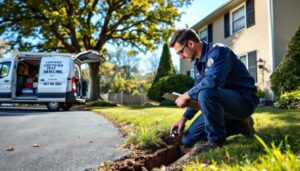
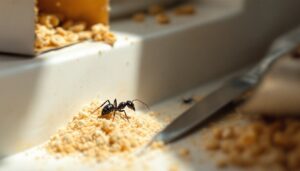
DIY methods work for minor issues, but certain signs indicate a problem beyond off-the-shelf sprays and traps. Visible structural damage, sagging floors, hollow-sounding wood, mud tubes on foundation walls (termites), or frass (sawdust-like droppings from carpenter ants), requires immediate professional inspection. Structural pests can compromise load-bearing members, which affects safety and home value.
Repeated infestations even though your best efforts signal a hidden nest, entry point you’ve missed, or a moisture problem feeding the cycle. Professionals use thermal imaging, moisture meters, and borescopes to locate nests inside wall cavities and under slabs.
Health risks warrant professional intervention. Heavy cockroach infestations, rodent droppings in HVAC ducts, or confirmed brown recluse sightings (especially with children or pets in the home) shouldn’t be DIY projects. Pest control operators use targeted baits, exclusion techniques, and Integrated Pest Management (IPM) strategies that address root causes, not just symptoms.
Odors and sounds are red flags. A persistent musty smell can indicate a hidden rodent nest or dead animals in wall voids. Scratching sounds in walls or ceilings at night signal active rodent or bat activity. Bats are protected species in Kentucky and require licensed exclusion work, not extermination.
When calling a pro, ask about their licensing (Kentucky requires pest control operators to hold a state license), treatment methods, and warranty terms. A reputable company will perform a thorough inspection, identify pest species correctly, and provide a written treatment plan before starting work.
DIY Pest Prevention Tips for Bowling Green Homeowners
Prevention beats treatment every time, and most effective tactics are low-cost, low-skill projects any homeowner can tackle. Start with exclusion, sealing entry points is the single most effective prevention method. Walk your home’s perimeter and inspect:
- Foundation cracks wider than ⅛ inch (seal with polyurethane or hydraulic cement)
- Gaps around service lines (cable, electrical, water, gas) where they penetrate siding or foundation (use copper mesh or expanding foam rated for pest exclusion)
- Door sweeps and weatherstripping (replace if daylight is visible under doors)
- Dryer vent covers and crawl space vents (install ¼-inch hardware cloth screens)
- Attic vents and roof soffits (check for tears or gaps: secure with screws, not just friction-fit)
Moisture control is critical in Kentucky’s humid climate. Termites, carpenter ants, and many other pests are drawn to damp wood and standing water. Check that gutters drain properly and downspouts discharge at least 6 feet from the foundation. In crawl spaces, install a 6-mil polyethylene vapor barrier over exposed soil and ensure vents provide adequate cross-ventilation (or consider encapsulation if the space is consistently damp). Fix leaky faucets, sweating pipes, and any roof leaks immediately.
Sanitation eliminates food sources. Store pantry goods in airtight containers (rodents chew through cardboard and plastic bags). Clean up crumbs, grease, and spills promptly. Don’t leave pet food out overnight. Store firewood at least 20 feet from the house and elevated off the ground, stacked wood against siding is an open invitation for termites and ants. Many tested cleaning products can help maintain pest-deterring cleanliness without harsh chemicals.
Landscape management reduces pest pressure. Trim tree branches and shrubs so they don’t contact siding or roof (this creates “bridges” for ants, rodents, and termites). Keep mulch at least 12 inches away from foundation walls: mulch retains moisture and harbors pests. Replace wood mulch with gravel in a 12-inch band around the foundation if termites or carpenter ants are a recurring issue.
For ongoing monitoring, place glue boards or snap traps in basements, garages, and crawl spaces. Check them monthly, even if you don’t catch anything, you’ll know if pressure increases. Wear nitrile gloves and a dust mask when working in crawl spaces or attics: rodent droppings can carry hantavirus.
Choosing the Right Pest Control Method for Your Home
Not all pest control methods are created equal, and the right choice depends on pest type, infestation severity, household composition (kids, pets, allergies), and personal preferences. This section breaks down the primary approaches.
Baiting systems work well for ants, cockroaches, and rodents. Bait stations contain food laced with slow-acting toxicants: pests carry bait back to nests, killing the colony. For termites, in-ground bait stations (installed around the home’s perimeter) are monitored and refilled by pest control companies. Baits are generally safer than broadcast sprays because they’re contained and targeted, but placement matters, keep them out of reach of children and pets, even though most are designed with tamper-resistant enclosures.
Liquid treatments (perimeter sprays, trench-and-treat for termites) use residual insecticides applied to foundation walls, soil, and entry points. These create a chemical barrier that kills pests on contact. Pyrethroids (synthetic versions of chrysanthemum-derived compounds) are common and effective, though some pest populations have developed resistance. Treatments typically last 60–90 days outdoors. If applying yourself, follow label instructions precisely, more is not better, and misapplication can harm beneficial insects and pollinators.
Fumigation (tenting) is reserved for severe, whole-structure infestations like drywood termites or bed bugs. It’s expensive, requires vacating the home for several days, and involves filling the structure with toxic gas. Few Bowling Green homes require this, subterranean termites (the local species) respond to localized treatments.
Chemical Treatments vs. Eco-Friendly Solutions
Homeowners increasingly weigh effectiveness against environmental and health impact. Chemical treatments offer fast knockdown and long residual activity. They’re the go-to for severe infestations where rapid control is critical. But, concerns about pesticide exposure, particularly in homes with young children, pregnant residents, or chemically sensitive individuals, drive interest in alternatives. Exploring eco-friendly approaches can offer safer options for families.
Eco-friendly solutions include botanical insecticides (pyrethrins, neem oil, diatomaceous earth), heat treatments (for bed bugs), and biological controls (nematodes for grubs, Bacillus thuringiensis for caterpillars). These methods have lower toxicity to humans and pets but often require more frequent application and may not provide the same residual protection. Diatomaceous earth (food-grade), for example, works mechanically, it abrades insect exoskeletons, causing dehydration, but loses effectiveness if it gets wet. It’s excellent for crack-and-crevice treatment in dry areas like attics.
Integrated Pest Management (IPM) blends multiple tactics, exclusion, sanitation, monitoring, and targeted treatments (chemical or non-chemical) as needed. IPM prioritizes the least toxic effective option and emphasizes long-term prevention. It’s the approach most licensed pest control companies now use, and it’s the gold standard for sustainable pest management.
Seasonal Pest Control Strategies for Kentucky Climate
Kentucky’s four distinct seasons create shifting pest pressures. Adapting your approach by season keeps problems in check year-round.
Spring (March–May): Termite swarmers emerge as soil warms. Inspect your home’s perimeter for mud tubes and schedule a professional termite inspection if you see winged insects near windows or doors. Ants become active: treat outdoor nests with granular baits before colonies grow large. Check window and door screens for tears and repair them before flying insects (flies, mosquitoes) become abundant.
Summer (June–August): Peak pest season. Mosquitoes breed in standing water, empty birdbaths, clogged gutters, and tarps weekly. Wasps and hornets build nests under eaves and in shrubs: treat nests at dusk when insects are less active, using a foam spray with 15–20 foot reach. Wear long sleeves, pants, and safety goggles. Fleas and ticks are active: treat pets with vet-approved products and mow grass short.
Fall (September–November): Rodents seek indoor shelter as temperatures drop. Inspect and seal entry points before cold weather drives mice inside. Spiders move indoors: reduce clutter in basements and garages where they hide. Boxelder bugs and Asian lady beetles congregate on south-facing walls in sunny fall days, vacuum them up or spray entry points with pyrethroid insecticide. Resources like garden and outdoor guides can help with landscape planning that reduces pest habitats.
Winter (December–February): Pest activity slows, but rodents remain active indoors. Check traps and bait stations in basements and crawl spaces. Inspect stored holiday decorations for signs of pests before bringing them inside. This is an ideal time for preventative exclusion work, sealing and caulking are easier when you’re not competing with active infestations.
Cost Considerations and Long-Term Pest Management
Pest control costs vary widely based on home size, pest type, infestation severity, and treatment method. Understanding typical pricing helps homeowners budget and avoid overpaying.
One-time treatments for general pests (ants, spiders, occasional invaders) typically run $100–$300 for an initial service covering interior and exterior treatment. Quarterly service plans (four visits per year) cost $400–$600 annually for an average-sized home (1,500–2,500 sq ft) and include regular monitoring, exterior perimeter treatments, and interior spot treatments as needed. These plans are cost-effective if you face recurring issues.
Termite treatments are more expensive. A full perimeter liquid treatment (trench-and-treat) costs $1,200–$2,500, depending on home size and linear footage. Bait station systems run $1,500–$3,000 for initial installation, plus annual monitoring fees of $300–$500. Many companies offer warranties or retreatment guarantees: read terms carefully, some exclude homes with ongoing moisture problems or structural contact with soil (like wood siding touching grade).
Rodent control ranges from $200–$600 for initial service (inspection, trap placement, exclusion recommendations) to $1,000+ if extensive exclusion work or wall/attic access is required. Exclusion is the investment that pays off, sealing entry points prevents reinfestations that DIY traps alone can’t solve.
DIY costs are lower but require time and effort. A season’s worth of perimeter spray, ant baits, rodent traps, and exclusion materials (caulk, foam, hardware cloth) runs $100–$200. But, misidentifying pests or missing hidden nests can result in wasted money and worsening problems.
Long-term management means thinking beyond reactive treatments. Invest in the structural and landscape improvements that reduce pest pressure: proper grading and drainage, vapor barriers in crawl spaces, and regular maintenance of caulking and weatherstripping. These aren’t glamorous projects, but they’re the difference between battling pests every season and rarely thinking about them. Many homeowners in similar regions have found success with consistent prevention strategies, as seen with effective pest management systems in other communities.
Budget for an annual professional inspection even if you handle routine treatments yourself. A trained eye can spot early warning signs, termite damage, carpenter ant galleries, rodent entry points, before they become expensive repairs. In Kentucky, where moisture and wood-destroying insects are persistent threats, that $100 inspection can prevent $10,000 in structural damage.