Table of Contents
ToggleDelhi’s dense urban environment, tropical climate, and rapid construction make it a hotspot for pest infestations. From monsoon-driven mosquito swarms to year-round termite colonies, homeowners face threats that can compromise both comfort and structural integrity. Understanding the pests unique to the region, and how to combat them, isn’t optional. It’s foundational to protecting your investment and your family’s health. This guide walks through Delhi’s specific pest challenges, practical DIY solutions, and when to call in the pros.
Key Takeaways
- Delhi’s subtropical climate and dense construction create ideal breeding grounds for mosquitoes, termites, cockroaches, and rodents that threaten both property and family health.
- Delhi pest control requires a multi-layered approach starting with exclusion—sealing cracks with copper mesh, repairing windows, and fixing moisture sources—before considering chemical treatments.
- Professional pest control services are essential for termite colonies, bed bug infestations, and large rodent problems that exceed DIY capacity and risk structural damage worth lakhs in repairs.
- Seasonal monitoring is critical: drain standing water before monsoon to prevent dengue-carrying mosquitoes, inspect attics before summer heat peaks, and seal entry points before rodents seek winter shelter indoors.
- Preventive maintenance including annual termite inspections, monitoring stations, and proper sanitation practices protects your investment and demonstrates due diligence for future home sales.
Understanding Delhi’s Unique Pest Challenges
Delhi’s subtropical climate creates perfect breeding conditions for pests that thrive in heat and humidity. Temperatures regularly hit 40°C+ in summer, while monsoon months bring stagnant water and moisture infiltration. The city’s mix of old masonry buildings and modern high-rises offers countless entry points, cracked plaster, gaps around piping, poorly sealed windows, and exposed expansion joints.
Construction dust and debris in rapidly developing neighborhoods provide nesting material for rodents and insects. Open drains, overflowing garbage bins, and food waste in densely packed residential areas compound the problem. Unlike rural pest control scenarios, Delhi requires integrated strategies that address both indoor environments and shared infrastructure like common walls, utility chases, and rooftop water tanks.
Public health concerns add urgency. Mosquitoes carry dengue and chikungunya: rodents spread leptospirosis through urine-contaminated surfaces. Cockroaches trigger asthma and allergies, particularly in children. The stakes are higher than a few ants in the kitchen.
Common Pests Found in Delhi Homes
Mosquitoes dominate the monsoon pest roster. Aedes aegypti breeds in standing water as shallow as a bottle cap. Check flower pot saucers, cooler trays, and roof gutters weekly. Mosquito mesh on windows and doors is non-negotiable, but verify the mesh count, 18×16 or finer blocks most mosquitoes.
Termites cause billions in structural damage annually. Subterranean termites (Odontotermes species) tunnel through soil to reach wood framing, door jambs, and even drywall paper facing. Signs include mud tubes along foundations, hollow-sounding wood, and discarded wings near windowsills after swarming. Pre-construction anti-termite treatment is code in many Delhi developments, but older homes often lack protection.
Cockroaches, primarily German (Blattella germanica) and American (Periplaneta americana) varieties, nest in warm, moist areas: behind refrigerators, under sinks, inside electrical panels. They’re nocturnal, so daytime sightings indicate heavy infestation. Cockroach allergens are a leading asthma trigger.
Rodents (roof rats and house mice) squeeze through gaps as small as 12 mm. They chew through PVC conduit, HDPE water lines, and spray foam insulation. Droppings near baseboards, gnawed food packaging, and greasy rub marks along walls signal active infestations. Roof rats nest in false ceilings and HVAC ducts.
Bed bugs have resurged due to increased travel and second-hand furniture purchases. They hide in mattress seams, bed frame joints, and electrical outlets within 2.5 meters of sleeping areas. Bites appear in linear clusters: blood spots on sheets confirm presence.
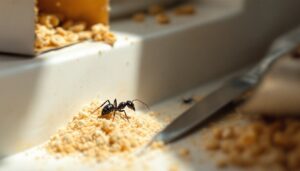
Ants range from nuisance (black garden ants) to structural threats (carpenter ants that excavate wood). Trails leading to kitchens or bathrooms indicate nearby colonies. Pharaoh ants are particularly tough, colonies fragment when disturbed, making eradication difficult without professional bait systems.
DIY Pest Control Solutions for Delhi Homeowners
Start with exclusion, the most effective DIY strategy. Seal cracks around pipes, vents, and electrical penetrations with copper mesh (rodents can’t chew through it) and polyurethane foam rated for exterior use. Replace worn door sweeps: the gap should be less than 6 mm. Repair torn window screens immediately. Caulk gaps in tile grouting and around countertops where cockroaches hide.
Moisture control is critical. Fix leaking taps, drain condensation from AC units into sealed drains (not open trays), and run exhaust fans during cooking and bathing. Termites and cockroaches both seek water sources. Ensure bathroom and kitchen plumbing is leak-free: even minor seepage behind walls creates ideal conditions.
For targeted treatment, boric acid powder (labeled for pest control) applied lightly in cracks and voids kills cockroaches and ants through desiccation and ingestion. Wear a dust mask and gloves during application, it’s low-toxicity but irritating to mucous membranes. Keep away from areas accessible to children and pets.
Diatomaceous earth (food-grade) works similarly against crawling insects. Apply a thin, barely visible layer along baseboards, behind appliances, and in attic spaces. It remains effective until wet, so reapply after mopping or heavy humidity.
Mosquito dunks containing Bacillus thuringiensis israelensis (BTI) kill larvae in water features, cooler pads, and ornamental ponds without harming fish or plants. One dunk treats up to 100 square feet of surface water for 30 days.
Natural and Chemical-Free Prevention Methods
Neem oil spray (2% concentration) acts as a repellent and insect growth regulator. Mix 15 ml neem oil with 1 liter water and a few drops of dish soap (as an emulsifier). Spray on plants, around entry points, and on surfaces where pests travel. Reapply every 7–10 days, especially after rain.
Peppermint oil deters rodents and spiders. Soak cotton balls in the oil and place near suspected entry points. Replace weekly. It’s more effective as a repellent than an eradication method.
For ongoing prevention, many homeowners benefit from one-time targeted treatments when infestations first appear, then maintain with natural methods.
Maintain a sanitation schedule. Store food in airtight containers (glass or heavy plastic with gasket lids). Empty kitchen trash daily: use bins with tight-fitting lids. Vacuum weekly, including under furniture and inside closets, many pests feed on organic debris like hair, skin flakes, and crumbs. Clean up pet food immediately after feeding.
Eliminate clutter. Cardboard boxes, stacks of newspapers, and piles of textiles provide harborage. Use sealed plastic storage bins instead. Keep firewood and building materials at least 0.5 meters away from the house foundation.
When to Call Professional Pest Control Services
Some infestations exceed DIY capacity. Termite treatment requires specialized equipment, soil trenching, injection rods, and chemical barriers applied at precise concentrations. Professionals use termiticides like fipronil or chlorantranilipirid at rates and depths specified by the Central Insecticides Board. Structural infestations demand treatment behind walls and under foundations, which isn’t feasible for homeowners.
Bed bug eradication often requires heat treatment (raising room temperature to 50°C for several hours) or fumigation. Steam cleaners and consumer pesticides rarely reach eggs hidden in wall voids and furniture joints. Professional services, as covered by resources like Good Housekeeping, typically include follow-up inspections to confirm elimination.
Large rodent infestations need coordinated trapping, exclusion, and sanitation over several weeks. Professionals identify entry points using inspection cameras and thermal imaging, then install tamper-resistant bait stations in areas inaccessible to children and pets. They’ll also advise on structural repairs, sealing larger gaps requires metal flashing or concrete patching that goes beyond caulk-and-foam fixes.
Recurring infestations even though DIY efforts signal deeper issues, hidden colonies, structural damage, or pest pressure from neighboring properties. In multi-family buildings, coordinated treatment across units is essential. A licensed pest control operator can assess whether the problem originates from shared plumbing chases, ventilation systems, or adjacent units.
Look for operators certified under India’s Insecticides Act. They should provide treatment plans specifying chemicals used, concentration, and re-entry times. For any application of restricted-use pesticides, certification isn’t optional, it’s a legal requirement. According to pest management guidelines from Angi, verified professionals carry liability insurance and provide documentation for warranty claims if treatment fails.
Seasonal Pest Control Tips for Delhi’s Climate
Summer (April–June): Mosquito populations spike with evening humidity and water storage practices. Empty cooler pads weekly and ensure overhead tanks have sealed lids. Ants invade kitchhenettes searching for water: check for leaks under sinks. Inspect attic spaces for rodent activity, roof rats seek cooler interior voids as outdoor temperatures soar.
Monsoon (July–September): Dengue and chikungunya risk peaks. Drain all standing water every 3–4 days, before larvae mature. Check clogged drains, mosquitoes breed in stagnant water rich in organic matter. Rising groundwater can flood basement utility rooms, creating ideal conditions for cockroach breeding. Run dehumidifiers in basements: keep humidity below 50%. Termite swarmers emerge after first rains, look for discarded wings on windowsills and immediately inspect for active colonies.
Autumn (October–November): As temperatures drop, rodents seek indoor shelter. Seal gaps around utility entries before November. Cockroaches retreat deeper into wall voids: baiting is most effective now before populations rebound in spring. Prune tree branches within 1 meter of rooflines, these serve as rodent highways.
Winter (December–March): Pest activity slows, but interior heating attracts insects. German cockroaches thrive near kitchen appliances: pull out refrigerators and stoves to vacuum and apply boric acid. Inspect stored woolens and textiles for carpet beetles and moth larvae, clean items before storage and use airtight bins. Although home maintenance guides emphasize winter as a low-activity season, pre-spring inspection prevents problems when temperatures rise and breeding accelerates.
Regardless of season, maintain a monthly inspection routine. Check under sinks, inside cabinets, along baseboards, and in storage areas. Early detection saves money and prevents damage.
Protecting Your Home Investment from Pest Damage
Termite damage alone can compromise structural integrity. Load-bearing timbers, floor joists, roof trusses, lintel beams, lose strength as termites consume cellulose. A 100×50 mm (nominal 4×2) joist can fail within 18–24 months of active infestation. Repair costs run into lakhs for major structural work: sistering damaged joists, replacing sill plates, or reconstructing roof framing.
Annual termite inspections are worthwhile, particularly in homes over 15 years old. Inspectors probe wood with awls, check crawl spaces for mud tubes, and use moisture meters to detect leaks that attract termites. If your home was built before 2000, retrofit anti-termite treatment may be necessary, soil chemical barriers installed via drilled holes around the foundation perimeter.
Rodent damage affects wiring and plumbing. Gnawed electrical cables pose fire risks: the National Electrical Code (NEC) prohibits splicing damaged cable in walls, replacement is required. Rodents chew through PEX tubing and polyethylene water lines, causing leaks that damage drywall and flooring. Copper piping is safer but costs more per meter.
Cockroach infestations corrode electronics. Their feces contain acidic compounds that damage circuit boards in appliances, computers, and HVAC controls. Cleaning and decontamination after heavy infestations may require replacing affected components.
Preventive maintenance pays off. Schedule annual pest inspections as part of routine home maintenance, alongside HVAC servicing and roof checks. Document treatments and inspections for home sale disclosures: buyers increasingly request pest clearance reports. Homeowner’s insurance rarely covers pest damage, but maintaining records proves you took reasonable preventive steps, which can influence claims for secondary damage (like water leaks resulting from rodent-chewed pipes).
Install monitoring stations around your property perimeter. These aren’t bait stations, they’re inspection points where you or a service tech can check for termite or rodent activity without full inspections. Mark locations on a site plan and check quarterly.
Finally, keep vegetation trimmed back from structures. Shrubs touching walls create moisture traps and hide pest entry points. Maintain a 150–200 mm clearance between soil/mulch and wood siding or framing, termites tunnel through soil, then into wood in contact with ground.