Table of Contents
ToggleWhen uninvited guests scuttle across the kitchen counter or rustle in the attic at night, homeowners need solutions fast. Twin Boro Pest Control operates in New Jersey and serves communities dealing with everything from carpenter ants to termites. Whether facing a sudden infestation or seeking ongoing protection, understanding how pest control services work, and what separates competent providers from the rest, helps homeowners make smarter decisions. This guide walks through the essentials of selecting a pest control provider, recognizing when to call for backup, and keeping critters out between professional visits.
Key Takeaways
- Twin Boro Pest Control serves northern New Jersey homeowners with comprehensive solutions for termites, ants, rodents, and other regional pests that threaten structural integrity and health.
- Effective pest control requires thorough inspection and Integrated Pest Management (IPM) principles that combine targeted treatment with exclusion and prevention, not just chemical spraying.
- Verify any pest control provider’s state licensing, insurance coverage, and references before hiring, and expect transparent written estimates after a professional inspection.
- Homeowners should invest in professional help for termites, bed bugs, large rodent infestations, and stinging insects, while handling light ant or roach activity with baits and maintaining preventive measures like sealing entry points and reducing moisture.
- Professional pest control costs range from $100–$300 for initial general pest treatment to $1,200–$3,000 for termite solutions, with quarterly service plans averaging $100–$150 per visit in New Jersey.
What Is Twin Boro Pest Control and Why It Matters for Homeowners
Twin Boro Pest Control is a regional pest management company serving residential and commercial properties across northern New Jersey. The company handles a range of pest issues common to the region, including termites, ants, rodents, stinging insects, and moisture-related pests like silverfish.
Pest control isn’t just about comfort, it’s about structural integrity and health. Termites cause more than $5 billion in property damage annually in the United States, and much of that damage isn’t covered by standard homeowner’s insurance. Rodents chew through electrical wiring, creating fire hazards. Cockroaches and rodent droppings trigger allergies and asthma, especially in children.
For homeowners in Twin Boro’s service area, having access to local pest control options means faster response times and familiarity with regional pest pressures. A provider that knows New Jersey’s seasonal pest cycles, like the spring termite swarms or fall rodent migration, can anticipate problems before they escalate.
Effective pest control combines Integrated Pest Management (IPM) principles: inspection, identification, treatment, and prevention. Companies that skip the inspection phase or push for blanket chemical treatments without identifying the pest species often waste time and money.
Common Pest Problems Twin Boro Addresses
Northern New Jersey’s climate and housing stock create predictable pest challenges. Here’s what homeowners encounter most:
Termites (subterranean and drywood): These wood-destroying insects cause silent, costly damage. Subterranean termites build mud tubes from soil to wood. Drywood termites infest dry lumber and leave behind pellet-shaped droppings. Annual inspections are critical, especially for homes with crawl spaces or older wood framing.
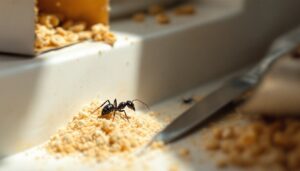
Carpenter ants: Often mistaken for termites, carpenter ants excavate wood to build nests but don’t eat it. They’re attracted to moisture-damaged wood, so check around leaky pipes, roof edges, and window sills.
Rodents (mice and rats): Mice squeeze through gaps as small as 1/4 inch: rats need about 1/2 inch. Both breed rapidly, a single female mouse can produce 5–10 litters per year. Rodents gnaw constantly to wear down incisors, damaging insulation, drywall, and wiring.
Stinging insects (wasps, hornets, yellow jackets): Nests often appear in eaves, attics, and underground. DIY removal is risky: disturbing a nest can trigger aggressive swarms. Professionals use protective gear and targeted treatments.
Bed bugs: Notoriously difficult to eliminate, bed bugs hide in mattress seams, box springs, and furniture joints. They hitchhike in luggage, used furniture, and clothing. One-time treatments are rarely sufficient, multiple visits with heat or chemical treatment are standard.
Cockroaches (German and American): German cockroaches infest kitchens and bathrooms, breeding in warm, moist areas. American cockroaches (often called “water bugs”) enter through sewer lines and floor drains. Both species carry pathogens and allergens.
How to Choose a Reliable Pest Control Provider in Your Area
Not all pest control companies operate at the same standard. Homeowners should vet providers carefully before signing contracts.
Licensing and certification: In New Jersey, pest control technicians must hold a Commercial Pesticide Applicator License issued by the state Department of Environmental Protection. Ask for license numbers and verify them online. Technicians should also carry certification from organizations like the National Pest Management Association (NPMA).
Insurance: Confirm the company carries both general liability insurance and workers’ compensation. If a technician is injured on your property or treatment damages your home, proper coverage protects you from liability.
References and reviews: Check platforms like HomeAdvisor and local Better Business Bureau listings. Look for patterns in complaints, occasional negative reviews happen, but recurring issues with billing, follow-ups, or effectiveness are red flags.
Treatment methods: Ask whether the company uses IPM strategies or relies solely on chemical treatments. Modern pest control incorporates exclusion (sealing entry points), habitat modification (removing food and water sources), and targeted pesticide use. Companies that spray indiscriminately without addressing root causes rarely solve problems long-term.
Service agreements: Read contracts carefully. Some providers include quarterly visits and free re-treatments: others charge per visit. Understand what pests are covered, response times for emergency calls, and cancellation policies.
Transparent pricing: Reputable companies provide written estimates after an initial inspection. Be wary of rock-bottom prices, they often signal watered-down products, untrained staff, or hidden fees.
What to Expect During a Professional Pest Inspection
A thorough inspection is the foundation of effective pest control. Here’s what professionals check:
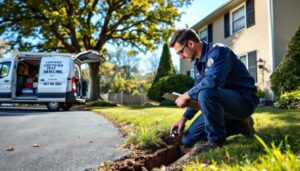
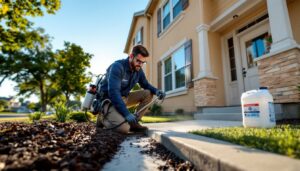
Exterior perimeter: Technicians walk the property looking for entry points, gaps around pipes, damaged foundation vents, cracks in siding, and overgrown vegetation touching the house. They inspect eaves, soffits, and roof edges for wasp nests or bat entry points.
Interior spaces: Basements, crawl spaces, attics, and utility rooms get close attention. Inspectors look for droppings, gnaw marks, grease trails (from rodents), shed skins, and live pests. They check around plumbing fixtures, appliances, and HVAC ducts.
Moisture assessment: Pests need water. Inspectors identify leaky pipes, condensation on ducts, poor drainage around the foundation, and damp crawl spaces. Fixing moisture issues often eliminates pest attractants.
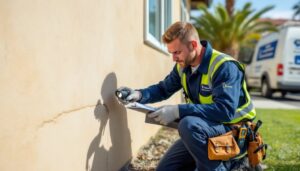
Documentation: A professional inspection includes a written report detailing findings, pest identification, recommended treatments, and prevention strategies. Photos or diagrams help homeowners understand problem areas.
Inspections typically take 45 minutes to 2 hours depending on property size. Some companies charge for inspections: others waive the fee if you proceed with treatment. According to Today’s Homeowner, annual pest inspections should be part of every home maintenance checklist, even without active infestations.
DIY Pest Prevention Tips to Complement Professional Services
Professional treatment works best when paired with ongoing prevention. These steps reduce pest pressure between service visits:
Seal entry points: Use copper mesh (rodents can’t chew through it) to fill gaps around pipes and cables. Apply polyurethane foam or silicone caulk to seal cracks in foundations, walls, and around windows. Install door sweeps on exterior doors, a gap under the door is a freeway for insects and rodents.
Eliminate food sources: Store pantry items in airtight plastic or glass containers. Wipe down counters nightly and vacuum crumbs from cabinets. Don’t leave pet food out overnight. Keep garbage in bins with tight lids and empty them regularly.
Reduce moisture: Fix leaky faucets, pipes, and roof leaks promptly. Use dehumidifiers in basements and crawl spaces to keep humidity below 50%. Ensure gutters and downspouts direct water away from the foundation.
Trim vegetation: Keep shrubs and tree branches at least 3 feet away from the house. Mulch should sit 6 inches below siding, pests use deep mulch as highways to foundation cracks.
Store firewood properly: Stack firewood at least 20 feet from the house and 5 inches off the ground on a rack. Termites and ants colonize wood piles and migrate indoors.
Inspect used items: Before bringing in secondhand furniture, luggage, or clothing, inspect seams, joints, and pockets for bed bugs, eggs, or droppings.
For comprehensive advice on maintaining a pest-free home, checking resources on mobile pest control units can provide insight into how professionals approach large-scale infestations.
Cost Considerations for Pest Control Services
Pest control pricing varies widely based on pest type, infestation severity, property size, and treatment method. Here’s what to expect:
Initial treatment: One-time visits for general pest control (ants, spiders, roaches) typically range from $100 to $300 for an average single-family home. Rodent control runs $200 to $600, depending on the extent of activity and exclusion work needed.
Termite treatment: Liquid soil treatments cost $1,200 to $2,500 for an average home. Bait station systems run $1,500 to $3,000 including installation and monitoring. Wood-destroying insect inspections (often required for real estate transactions) cost $75 to $150.
Bed bug treatment: Heat treatments cost $1,000 to $3,000 per room: chemical treatments require multiple visits and run $500 to $1,500 total. DIY attempts usually fail and waste money.
Quarterly service plans: Ongoing pest control contracts average $100 to $150 per visit (four visits per year). These plans typically include interior and exterior treatment, web removal, and free re-treatments between scheduled visits.
Regional variations: Costs fluctuate by region. New Jersey pricing runs slightly higher than the national average due to higher labor costs and stricter regulatory requirements. Comparing pricing structures from multiple providers helps establish fair market rates.
Beware of exceptionally low bids. Companies cutting corners often use diluted products, skip critical prep work, or employ untrained technicians. A mid-range bid from a licensed, insured provider with solid references typically offers the best value.
When to Call a Professional vs. Handling Pests Yourself
Some pest problems are DIY-friendly: others require professional intervention. Here’s how to decide:
Call a professional for:
- Termites: These insects cause structural damage that escalates quickly. Effective treatment requires specialized equipment (soil injectors, foam applicators) and restricted-use pesticides unavailable to homeowners.
- Bed bugs: Over-the-counter sprays don’t reach eggs hidden in cracks and crevices. Professionals use heat chambers, steam, and residual insecticides in combination.
- Large rodent infestations: If you’re catching multiple rodents daily or finding extensive droppings, the problem exceeds DIY solutions. Pros identify entry points and use commercial-grade snap traps, bait stations, and exclusion materials.
- Stinging insects: Nests in hard-to-reach areas or aggressive species (yellow jackets, bald-faced hornets) pose serious injury risk. Professionals use protective gear and residual dusts that eliminate colonies.
- Recurring problems: If you’ve tried DIY methods for 4–6 weeks without improvement, it’s time to call for help. Persistent infestations indicate hidden harborage areas or untreated entry points.
Handle yourself:
- Occasional ants or roaches: Bait gels and granules work well for light activity. Place baits near trails and entry points: avoid spraying repellent pesticides that scatter pests.
- Single wasps or hornets: Individual insects can be trapped or swatted. Small paper wasp nests (golf ball size or smaller) can be knocked down at night with wasp spray, but wear protective clothing.
- Field mice (1–2 sightings): Set snap traps along baseboards near droppings. Bait with peanut butter, not cheese. Check traps daily.
- Preventive maintenance: Sealing gaps, fixing leaks, and reducing clutter are always DIY tasks that support long-term pest control.
For insights into services tailored to specific regions, exploring pest control in Douglasville or Ventura pest management highlights how local providers adapt strategies to regional pest pressures.
Eventually, pest control success depends on accurate identification, appropriate treatment, and consistent prevention. Homeowners who combine professional expertise with diligent maintenance keep their homes pest-free year-round.