Table of Contents
TogglePests don’t wait for a convenient time to invade. Whether it’s termites chewing through your framing lumber, mice nesting in wall cavities, or ants establishing highways through your kitchen, the damage accumulates fast. For homeowners in New Jersey and surrounding areas, Cowleys Pest Control has built a reputation as a go-to service provider for pest management. But before signing a contract or attempting to handle the problem yourself, it’s worth understanding what Cowleys offers, how their approach compares to DIY methods, and whether their pricing aligns with the results you need. This guide breaks down the essentials so you can make an well-informed choice about protecting your home.
Key Takeaways
- Cowleys Pest Control provides comprehensive residential and commercial pest management across New Jersey with licensed technicians trained in local pest behavior and professional-grade treatment methods.
- Cowleys emphasizes integrated pest management (IPM) through exclusion, habitat modification, and monitoring, which is more effective long-term than chemical-only approaches and reduces pesticide reliance.
- Professional intervention is essential for structural pests like termites and carpenter ants, where misidentification, inaccessible nesting sites, and legal restrictions make DIY methods ineffective and potentially costly.
- Termite treatments range from $1,200 to $2,500 for an average home, while quarterly service plans cost $100–$150 per visit and provide ongoing protection that often pays for itself by preventing expensive infestations.
- A thorough Cowleys inspection covers exterior foundation cracks, interior spaces like attics and crawl spaces, and moisture issues, resulting in a written report with treatment options and follow-up scheduling.
What Is Cowleys Pest Control and What Do They Offer?
Cowleys Pest Control operates primarily in New Jersey, focusing on residential and commercial pest management. They’re not a franchise, this is a regional operation with technicians familiar with local pest behavior, seasonal patterns, and construction methods common to the area. That local knowledge matters when you’re dealing with carpenter ants in older homes with balloon framing or subterranean termites that exploit foundation cracks.
The company handles both one-time treatments and ongoing maintenance plans. If you’ve got an active infestation, they’ll address it. If you want to prevent future problems, they offer quarterly or seasonal service agreements that include inspections and preventive treatments.
Key Services Provided by Cowleys Pest Control
Cowleys covers a broad range of pest issues, from the common to the specialized:
- Rodent control: Mice and rats are sealed out using exclusion methods, closing gaps around service penetrations, sealing foundation cracks, and installing door sweeps. Trapping and baiting follow as needed.
- Termite treatments: Both liquid treatments (termiticides applied around the foundation perimeter) and bait stations. Subterranean termites are the primary concern in New Jersey, and Cowleys uses professional-grade equipment to apply treatments at the soil-structure interface.
- Ant, cockroach, and general insect control: Interior and exterior treatments targeting entry points, nesting sites, and food sources. This includes crack-and-crevice applications and granular treatments along foundation lines.
- Wildlife management: Removal and exclusion of squirrels, raccoons, bats, and birds. This often involves sealing soffits, repairing fascia, and installing chimney caps, work that overlaps with basic home maintenance.
- Bed bug treatments: Heat treatments or chemical applications, depending on infestation severity and occupant needs.
- Seasonal pests: Stink bugs, wasps, hornets, and mosquitoes, which spike in warmer months.
Cowleys also offers crawl space encapsulation and insulation services, which address moisture and energy efficiency while reducing pest-friendly conditions. These services cross into home performance territory, so they’re worth considering if you’re already planning foundation or insulation upgrades.
Why Homeowners Choose Cowleys for Pest Management
Reputation matters in pest control. A company that’s been operating for decades has handled thousands of situations, and Cowleys has that track record. According to customer feedback on platforms like Angie’s List, homeowners consistently mention thorough inspections, clear communication, and follow-through on treatment plans.
One practical advantage is licensing and insurance. Cowleys technicians hold New Jersey pesticide applicator licenses, which means they’re trained in chemical handling, application rates, and safety protocols. If you’re dealing with structural pests like termites or carpenter ants, this isn’t optional, it’s required by law for commercial pesticide use.
Another factor is integrated pest management (IPM). Rather than just spraying baseboards and calling it done, Cowleys emphasizes exclusion, habitat modification, and monitoring. For example, if mice are entering through gaps around your HVAC line sets or foundation vents, sealing those openings is more effective than relying solely on bait stations. This approach aligns with current best practices and reduces long-term pesticide use.
Finally, Cowleys offers same-day or next-day service in many cases. When you’ve got hornets building a nest under your eave or a raccoon in your attic, waiting a week isn’t practical. Emergency response is a legitimate reason to call a pro instead of troubleshooting on your own.
How Cowleys Compares to DIY Pest Control Methods
DIY pest control can work for minor issues, ant trails, occasional spiders, or a single wasp nest. Retail products like bait stations, aerosol sprays, and granular insecticides are widely available and reasonably effective for spot treatments. But there are clear limits.
First, identification. Misidentifying the pest leads to misapplied treatments. Carpenter ants and termites cause different types of damage and require different approaches. Odorous house ants and pavement ants respond to different baits. If you’re not sure what you’re dealing with, you’ll waste time and money on the wrong product.
Second, access. Many pests nest in wall voids, crawl spaces, or attics, areas where homeowners can’t easily apply treatments. Professional equipment like power dusters, sub-slab injection rigs, and extension wands make those applications possible. Without them, you’re treating symptoms, not sources.
Third, legal restrictions. Products available to homeowners are formulated at lower concentrations than professional-grade pesticides. That’s partly for safety and partly regulatory. For termites, subterranean barrier treatments require drilling and injecting around the foundation perimeter, work that’s impractical without specialized tools and training. Some states also require licensed applicators for certain treatments, regardless of homeowner intent.
DIY exclusion work, sealing cracks, installing door sweeps, repairing screens, overlaps with home maintenance and is worth doing regardless of whether you hire a pest control company. Combining your own exclusion efforts with professional pest management services often delivers the best results.
That said, if you’re dealing with an isolated issue and you’re comfortable with basic diagnostics, DIY can save money. But for structural pests, recurring infestations, or wildlife intrusions, professional intervention is the faster, safer route.
What to Expect During a Cowleys Pest Inspection
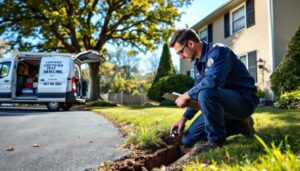
A Cowleys inspection starts with an exterior walk-around. Technicians check foundation walls for cracks, examine door thresholds and weatherstripping, inspect soffits and fascia for gaps, and look for signs of rodent or insect activity, droppings, gnaw marks, mud tubes, frass (insect sawdust), or damaged wood.
Interior inspections focus on basements, crawl spaces, attics, kitchens, and bathrooms, anywhere pests find moisture, food, or shelter. Technicians use flashlights, moisture meters (for termite inspections), and sometimes infrared cameras to spot hidden activity. They’ll pull open access panels, check behind appliances, and inspect plumbing penetrations.
If you’ve got a crawl space, expect the technician to spend time down there. Moisture issues, wood-to-soil contact, and compromised vapor barriers are common culprits for pest problems. They’ll note any standing water, damaged insulation, or rotted sill plates. This is also where crawl space encapsulation overlaps with pest control, sealing and dehumidifying a crawl space prevents both structural damage and pest intrusion.
After the inspection, you’ll get a written report detailing findings, recommended treatments, and any structural repairs or exclusion work needed. If treatment is straightforward, say, a perimeter spray and crack-and-crevice application, it might happen the same day. If you need termite treatment, rodent exclusion, or wildlife removal, the technician will schedule a follow-up.
Be ready to ask questions. If they recommend drilling for termite treatment, ask where the holes will be drilled and how they’ll be patched. If exclusion work is needed, ask if that’s included in the service or billed separately. Reputable companies will explain the process and give you options.
Safety note: If the technician will be working in your attic or crawl space, make sure the area is accessible and clear any stored items blocking entry. Wear a dust mask if you’ll be present during work, disturbed insulation and debris can irritate lungs.
Pricing and Service Plans: Is Cowleys Worth the Investment?
Pest control pricing varies based on the pest, treatment method, property size, and infestation severity. One-time treatments for common pests, ants, spiders, wasps, typically range from $150 to $300. Rodent control, which includes trapping, exclusion, and follow-up visits, runs $300 to $600 or more, depending on the extent of entry points.
Termite treatments are the most variable. Liquid barrier treatments for an average-sized home (around 2,000 square feet) generally cost $1,200 to $2,500. Bait station systems start lower, around $800 to $1,500, but require ongoing monitoring. Some homeowners combine both methods for maximum protection. According to cost estimators on HomeAdvisor, national averages for termite treatment hover around $1,500, but regional labor rates and soil conditions affect final pricing.
Quarterly service plans cost $100 to $150 per visit, with discounts for annual prepayment. These plans include exterior perimeter treatments, interior spot treatments as needed, and reinspections. If you live in an area with high pest pressure, wooded lots, near wetlands, or in older neighborhoods with aging infrastructure, quarterly service often pays for itself by preventing costly infestations.
Wildlife removal and exclusion can range from $300 for a single animal (like a squirrel in an attic) to $1,500 or more for complex situations involving multiple entry points, structural repairs, and cleanup. Bat exclusion, in particular, requires careful timing to avoid trapping juveniles inside, and that work is best left to specialists.
Is it worth it? For structural pests like termites and carpenter ants, professional treatment is almost always necessary. The cost of repairing wood framing, floor joists, or sill plates far exceeds the cost of treatment. For general pest control, weigh the cost against your time, comfort level with pesticides, and the frequency of pest problems. If you’re dealing with ongoing infestations in regions with high pest activity, a service plan is a solid investment.
Conclusion
Cowleys Pest Control offers a solid combination of local expertise, comprehensive services, and integrated pest management practices. For homeowners dealing with structural pests, recurring infestations, or wildlife intrusions, their approach addresses both immediate problems and long-term prevention. DIY methods have their place, but knowing when to call a professional saves time, money, and potential damage to your home’s structure. Whether you need a one-time treatment or ongoing maintenance, understanding what to expect, and what questions to ask, puts you in control of the decision.