Table of Contents
TogglePests don’t respect property lines. They chew through siding, nest in attics, and contaminate kitchens, all while multiplying faster than you can set traps. Whether it’s carpenter ants weakening floor joists or mice chewing through electrical wiring, pest problems escalate quickly from nuisance to hazard. Paragon Pest Control represents a systematic, science-backed approach to managing household pests that goes beyond simply spraying chemicals and hoping for the best. This guide walks homeowners through what makes the Paragon method effective, how to carry out it in your home, and when to call in professional backup.
Key Takeaways
- Paragon Pest Control emphasizes prevention, exclusion, and monitoring rather than reactive chemical spraying, addressing root causes like moisture, entry points, and food sources to break the cycle of recurring infestations.
- The three core pillars of Paragon methods—detailed inspection, gap sealing with proper materials like copper mesh, and weekly monitoring with traps—provide a cost-effective, long-term approach to household pest management.
- Integrated Pest Management (IPM) prioritizes sanitation and exclusion first, then mechanical controls, before using chemical treatments as a last resort, significantly reducing chemical exposure in homes with children and pets.
- Common household pests like termites, rodents, cockroaches, ants, and bed bugs each require species-specific treatment strategies; professionals should handle termites and bed bugs while homeowners can manage minor rodent and insect issues with proper techniques.
- DIY Paragon pest control costs $50–$150 initially plus $20–$40 yearly for supplies, making it ideal for minor problems, but professional services ($100–$300 for inspection) are essential for severe infestations, termite damage, and specialty treatments.
- Combining DIY routine monitoring and exclusion work with quarterly professional inspections delivers the best value, protecting home structure and property value while avoiding costly pest-related damage and repeat treatments.
What Is Paragon Pest Control and Why It Matters for Homeowners
Paragon Pest Control is both a specific company operating in regions like Texas and a broader methodology that emphasizes prevention, monitoring, and targeted treatment rather than blanket chemical application. The company and approach focus on long-term pest suppression through habitat modification and exclusion techniques.
For homeowners, this matters because traditional pest control often creates a cycle of dependency, spray monthly, kill visible pests, ignore the conditions that attracted them in the first place. Paragon-style methods break that cycle by addressing root causes: moisture problems, entry points, food sources, and harborage areas.
This approach reduces chemical exposure inside living spaces, which is particularly important in homes with children, pets, or residents with respiratory conditions. It also tends to cost less over time because you’re solving problems rather than treating symptoms. Reviews from platforms like Angi highlight customer satisfaction with thorough initial inspections and customized treatment plans.
Core Principles of the Paragon Approach to Pest Management
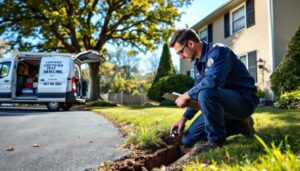
The Paragon approach rests on three pillars: inspection, exclusion, and monitoring. Start with a detailed inspection, crawl spaces, attic voids, plumbing penetrations, weatherstripping gaps, and foundation cracks. Document evidence: droppings, gnaw marks, grease trails, shed skins, or live specimens.
Exclusion comes next. Seal gaps larger than ¼ inch around pipes and wires using copper mesh (steel wool rusts) and expanding foam rated for pest control. Replace damaged door sweeps with models that have a neoprene or silicone seal. Screen attic vents with ⅛-inch hardware cloth (not window screen, too flimsy). Repair soffit gaps and replace torn foundation vent screens.
Monitoring involves placing non-toxic traps or monitors in key areas, behind appliances, along baseboards, near water heaters. Check them weekly. A single mouse in a snap trap might indicate a temporary intrusion: five mice in three days signals an active infestation requiring more aggressive action.
Integrated Pest Management (IPM) Techniques
IPM is the scientific framework underpinning Paragon methods. It prioritizes the least-toxic effective option and escalates only when necessary. The hierarchy runs: sanitation and exclusion first, mechanical controls (traps, vacuums) second, biological controls (beneficial insects, bacteria like Bacillus thuringiensis) third, and chemical treatments last.
For example, controlling pantry moths starts with discarding infested food, vacuuming shelves, and storing dry goods in airtight glass or hard plastic containers. Pheromone traps monitor for survivors. Only if re-infestation persists would you consider targeted crack-and-crevice treatment with a low-toxicity insecticide like diatomaceous earth.
IPM also means choosing the right tool for the pest. Bait stations work for ants and roaches: UV light traps for flying insects: dust formulations for wall voids. Homeowners practicing eco-friendly pest control often adopt IPM principles without realizing it.
Common Household Pests Targeted by Paragon Methods
Termites top the list for structural damage potential. Subterranean termites require soil treatment or bait stations around the perimeter. Drywood termites demand fumigation or localized spot treatment. Either way, a licensed pest professional should handle termite work, DIY termite control rarely succeeds and delays often worsen damage.
Rodents (mice and rats) chew wiring, insulation, and framing. Snap traps remain the most effective DIY method. Place them perpendicular to walls, baited side facing the baseboard, spaced 8-10 feet apart. Glue boards work but are inhumane: live traps require releasing animals far from structures. Rodent control also benefits from exterior work, trim tree branches within 6 feet of the roofline and keep firewood stacked at least 20 feet from the house.
Cockroaches thrive in moisture and clutter. German roaches infest kitchens: American roaches enter from sewers. Gel baits placed in cabinet hinges, under sinks, and behind appliances disrupt breeding cycles. Fix leaking faucets and drain pipes, a single drip provides enough water for a roach colony.
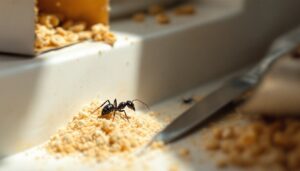
Ants vary widely by species. Carpenter ants excavate wood (though they don’t eat it like termites). Odorous house ants trail to food sources. Fire ants build mounds in yards. Identification determines treatment: baits for sugar-feeders, perimeter sprays for outdoor nesters, dust in wall voids for colony elimination.
Bed bugs require a multi-pronged attack: heat treatment (professionals use equipment that reaches 120°F), encasements for mattresses and box springs, and crack-and-crevice treatment with residual insecticides. DIY bed bug control is possible but labor-intensive and often incomplete.
Platforms like HomeAdvisor offer cost calculators and contractor reviews for pest issues beyond DIY scope.
Implementing Paragon Pest Control in Your Home: A Step-by-Step Guide
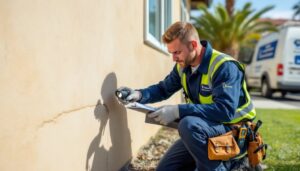
Step 1: Conduct an interior and exterior inspection. Note any pest evidence, moisture issues (check under sinks, around tubs, in crawl spaces), and structural gaps. Use a flashlight and inspection mirror to see behind appliances and into tight spaces.
Step 2: Seal entry points. Apply polyurethane or silicone caulk to cracks in foundations, around window frames, and where utilities penetrate walls. Install or replace door sweeps: the gap under an exterior door should be no more than ⅛ inch. For larger gaps around pipes, stuff copper mesh first, then foam.
Step 3: Eliminate food and water sources. Store pantry items in sealed containers. Fix leaks within 24 hours of discovery. Clean up spills immediately. Take garbage out daily if you have an active pest problem.
Step 4: Set monitoring devices. Place snap traps for rodents, sticky traps for insects, or electronic monitors that alert you to activity. Position them in areas identified during inspection.
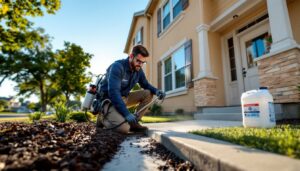
Step 5: Apply targeted treatments only where monitoring confirms activity. For ants, use gel bait near trails. For roaches, dust boric acid into wall voids via electrical outlet covers (turn off breakers first). For pantry pests, deploy pheromone traps. Always follow product labels, they’re legal documents, not suggestions.
Step 6: Re-inspect weekly for the first month, then monthly. Adjust strategies based on what you find. If the problem persists or worsens, escalate to professional services similar to those offered through one-time treatments for acute infestations.
Safety: Wear nitrile gloves when handling traps or applying chemicals. Use N95 respirators if working with dusts in confined spaces. Keep children and pets away from treated areas until products dry or as directed on labels.
DIY vs. Professional Paragon Pest Control Services: Making the Right Choice
DIY pest control works well for minor, isolated issues: a few ants in the kitchen, a mouse in the garage, or pantry moths after bringing home infested birdseed. It’s cost-effective and educational. You learn your home’s vulnerabilities and gain skills for future problems.
But, DIY has limits. Termites, bed bugs, and large rodent infestations almost always require professional intervention. Pros have access to restricted-use pesticides, specialized equipment (thermal imaging cameras, borescopes, commercial-grade sprayers), and training that prevents common mistakes, like applying the wrong product, missing key harborage areas, or spreading contamination.
Professionals also carry liability insurance. If treatment damages your home or fails to control the pest, you have recourse. DIY gone wrong is on you. Certain pests, like carpenter ants in load-bearing walls or bats in attics, require nuanced handling to avoid structural issues or health code violations.
When choosing a professional service, verify licensing (most states require it for pest control operators), ask about their inspection process, and request a written treatment plan. Good companies explain what they’ll apply, where, and why. They should also provide a follow-up schedule and warranty period.
For pricing guidance and comparing local services, resources like ImproveNet break down regional cost variations and contractor qualifications. Some homeowners combine approaches, handling routine monitoring and exclusion work themselves while scheduling professional pest control visits quarterly or when problems escalate.
Cost Considerations and Long-Term Value of Paragon Pest Solutions
DIY pest control costs vary based on the problem. Basic supplies, snap traps, caulk, copper mesh, bait stations, run $50-$150 for an initial setup. Ongoing monitoring might add $20-$40 per year for replacement traps and baits. A cordless drill, caulk gun, and inspection flashlight are one-time tool purchases that serve multiple home maintenance needs.
Professional services typically charge $100-$300 for initial inspection and treatment, then $50-$100 per month or $200-$500 per quarter for ongoing service. Specialty work costs more: termite treatments range $500-$3,000 depending on home size and infestation severity: bed bug heat treatment runs $1,000-$4,000 for a whole-house job. These estimates fluctuate by region, urban markets and areas with higher labor costs skew higher.
The long-term value of Paragon-style methods shows up in reduced damage and fewer repeat treatments. Sealing a foundation crack for $15 in caulk prevents hundreds of dollars in future pest control calls. Fixing a leaking pipe stops both termite attraction and wood rot. Exclusion and habitat modification are investments that pay dividends across multiple pest types.
Don’t forget indirect costs. Pest damage can affect home value and insurability. Some insurers exclude termite damage from standard homeowner policies. Uncontrolled rodent infestations create fire hazards via chewed wiring. A systematic approach avoids these downstream problems.
Budget for professional help when warranted, but recognize that the Paragon philosophy empowers homeowners to handle routine tasks themselves, reserving professional budgets for complex or regulated work. Many pest control services, like those evaluated on pest control trucks, invest in mobile equipment that allows rapid response and efficient treatment, which can reduce overall service time and cost.