Table of Contents
TogglePest control isn’t a one-and-done deal. It’s preventive maintenance, like changing HVAC filters or cleaning gutters, skip it, and you’re inviting problems. The question isn’t whether you need regular pest control, but how often your property actually requires it. That frequency depends on geography, pest pressure, property type, and even what season it is. Some homes do fine with annual treatments, while others need monthly visits to keep roaches, termites, or rodents at bay. This guide breaks down industry-standard schedules, the factors that shift those timelines, and when to ramp up treatments before a minor sighting becomes a full-blown infestation.
Key Takeaways
- Quarterly pest control treatments are the industry standard for most homes, aligning with seasonal pest activity and the 60 to 90-day effectiveness of professional-grade insecticides.
- How often you need pest control depends on geography, climate, property type, and surrounding environment—warm humid climates require monthly service while arid regions and cold-winter areas may need less frequent treatments.
- Monthly treatments become necessary for active infestations, high-pressure environments like properties near woods or water, and specific pests like German cockroaches and bed bugs that require 4 to 8 weeks of intensive remediation.
- Structural factors such as landscaping proximity to foundations, crawl space moisture issues, and multi-unit building coordination directly impact pest control frequency more than any one-size-fits-all schedule.
- Spring and fall are peak seasons for preventive pest control treatments, with spring focusing on termite prevention and fall addressing rodent and insect migration before winter, while winter pest control varies by climate.
- Seeing pests regularly despite quarterly treatments signals you need professional inspection to identify the underlying problem—source removal and exclusion methods often matter more than increasing chemical treatment frequency alone.
Understanding Standard Pest Control Frequencies
Most pest control companies recommend service intervals based on decades of field data, not arbitrary upselling. The goal is to interrupt pest breeding cycles and maintain a chemical or physical barrier before populations explode. Here’s what the industry considers standard.
Quarterly Treatments: The Industry Standard
Quarterly service, every three months, is the baseline for general pest control in temperate climates. This schedule aligns with seasonal pest activity shifts and the residual effectiveness of most professional-grade insecticides, which break down from UV exposure, rain, and temperature swings within 60 to 90 days.
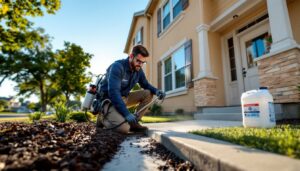
Typical quarterly plans target common household pests: ants, spiders, silverfish, earwigs, and occasional roaches. Technicians apply a perimeter treatment around the foundation, treat entry points (door frames, window sills, utility penetrations), and spot-treat interior problem areas. Many services include re-treatment guarantees between scheduled visits if pests reappear, a key reason homeowners stick with contracts rather than sporadic one-off calls.
Quarterly works well for suburban properties with moderate pest pressure, landscaping kept a few feet from the foundation, and no standing water or structural gaps. It won’t eliminate every spider you see (that’s not realistic), but it keeps populations low enough that you’re not dealing with ant trails in the kitchen or centipedes in the bathroom.
Monthly treatments are less common but necessary in high-pressure environments: properties backing onto wooded lots, homes near water sources, or regions with year-round pest activity (think Florida, Texas, or Southern California). Some professional pest control services recommend monthly schedules for German cockroach infestations, bed bugs in multi-unit buildings, or termite monitoring programs.
Annual or bi-annual treatments suit low-risk properties, think arid climates with minimal vegetation, newer construction with tight building envelopes, or homeowners who maintain aggressive exclusion practices (sealing cracks, fixing screens, managing moisture). Be honest: if you’re seeing pests regularly, annual service isn’t enough.
Factors That Determine Your Pest Control Schedule
Cookie-cutter schedules don’t work. Two houses on the same street can have wildly different pest control needs based on environmental and structural variables. Here’s what actually drives frequency.
Climate and Geographic Location
Temperature and humidity are the biggest predictors. Warm, humid climates support year-round pest activity, termites don’t hibernate in Houston, and mosquitoes breed through winter in Miami. Cold-winter regions see natural population crashes: treatments can often pause from November through March when insects go dormant and rodents hunker down.
Arid climates (Arizona, Nevada, inland California) deal with scorpions, black widows, and subterranean termites that thrive in dry soil. These pests require different treatment chemistries and schedules than moisture-loving pests in the Southeast.
Coastal areas face unique pressures: higher humidity, proximity to marshes or tidal zones, and pests like palmetto bugs (American cockroaches) that migrate indoors during heavy rains. Properties within a mile of coastline often need more frequent service.
Local pest populations vary wildly. Fire ants dominate the South. Carpenter ants tunnel through wood in the Pacific Northwest. Boxelder bugs swarm Minnesota homes in fall. Your seasonal home maintenance plan should factor in regional pest calendars, not generic national advice.
Type of Property and Surrounding Environment
Property age and construction quality matter. Older homes have more cracks, gaps in siding, deteriorated weather stripping, and foundation settling, all pest entry points. Newer builds with proper flashing, sealed penetrations, and vapor barriers require less chemical intervention, though construction debris left in crawl spaces can attract termites.
Landscaping proximity to the foundation is critical. Mulch beds, shrubs, and ground cover within 18 inches of the house create pest highways. Mulch retains moisture, harbors insects, and gives ants, millipedes, and earwigs direct access to siding. Pull mulch back at least two feet, and consider a gravel or rock border as a dry barrier.
Crawl spaces and basements with dirt floors, standing water, or inadequate ventilation become pest breeding grounds. If you’ve got moisture issues, no amount of surface treatment will solve infestations, you need vapor barriers, dehumidifiers, or French drains before pest control becomes effective.
Attached structures like decks, sheds, or firewood stacks against the house invite pests. Store firewood at least 20 feet from the structure, elevated on a rack. Termites and carpenter ants love untreated lumber in contact with soil.
Multi-unit properties (duplexes, condos, apartments) require coordinated treatment. If your neighbor has roaches or bed bugs, your quarterly schedule won’t matter, pests migrate through shared walls and plumbing chases. Many HOAs now mandate building-wide treatments to prevent this.
Lifestyle factors also play in. Do you compost near the house? Leave pet food out overnight? Have gaps under doors? These habits override even the best treatment schedule. A technician can spray all day, but if fruit flies have a breeding site in your recycling bin, they’re not going away.
Seasonal Pest Control Needs Throughout the Year
Pest activity follows predictable seasonal patterns. Tailor your treatment schedule and DIY prevention to match what’s active when.
Spring (March–May): Insects emerge from overwintering. Ants, termites, and flies become active as soil temperatures hit 50°F. This is peak termite swarming season, if you see winged insects near windows or find discarded wings on sills, call for an inspection immediately. Spring treatments focus on perimeter barriers and treating nests before colonies expand.
Summer (June–August): Peak pest season. Everything’s breeding, mosquitoes, fleas, ticks, wasps, and spiders. Treatments should target standing water (larvicide for mosquitoes), treat lawn and shrub areas for ticks, and knock down wasp nests early before they reach basketball size. If you’re seeing recurring roach problems, summer heat drives them indoors seeking water: kitchens and bathrooms need targeted baiting.
Fall (September–November): Pests seek indoor shelter. Mice, boxelder bugs, Asian lady beetles, and stink bugs try to overwinter inside walls. Seal entry points now, caulk cracks, install door sweeps, screen vents, and plug gaps around utilities. Exterior treatments in early fall create a barrier before migration peaks. This is also when yellowjackets become aggressive as natural food sources decline.
Winter (December–February): Reduced activity in cold climates, but not zero. Rodents remain active indoors. Overwintering pests (cluster flies, lady beetles) may emerge on warm days or appear in attics when indoor heating wakes them. In warm-winter regions, treatments continue year-round. For cold climates, winter is the time for exclusion work: inspect and seal, set traps, and address moisture issues while pests are dormant.
Many professional services shift treatment focus seasonally rather than applying the same products year-round. A good technician adjusts baits, sprays, and target areas based on what’s actually active.
When to Increase Pest Control Frequency
Quarterly treatments aren’t enough in certain situations. Here’s when to escalate.
Active infestations: If you’re seeing pests daily even though treatment, you’re past prevention and into remediation. German cockroaches, bed bugs, and mice require weekly or bi-weekly visits until populations collapse. Baiting and monitoring programs for these pests take 4 to 8 weeks to achieve control, with follow-ups to confirm elimination.
Post-construction or renovation: Fresh drywall dust, open wall cavities, and disturbed soil attract pests. Schedule treatments immediately after work wraps, then monthly for the first quarter to intercept anything drawn to the activity.
New pest sightings: Seeing a pest you’ve never dealt with before, like termites, carpenter ants, or rats, requires immediate inspection, not waiting for your next scheduled visit. These pests cause structural damage or health risks: hours matter. Some infestations, such as mice issues, escalate quickly because rodents breed every 21 days.
Property changes: Adding a garden, installing a pond, or letting landscaping overgrow shifts pest pressure. After major landscape work, consider an extra treatment to reset the barrier.
Neighboring infestations: If a nearby property has visible pest problems (overgrown yard, trash accumulation, or an abandoned structure), pests will migrate. Increase your service frequency until the source is remediated, this is especially true in denser neighborhoods.
Health concerns: Homes with allergy sufferers, young children, or immunocompromised residents may need more frequent eco-friendly pest control treatments using low-toxicity products and non-chemical methods like traps, exclusion, and sanitation improvements.
Permit and professional considerations: If you’re dealing with wood-destroying organisms (termites, carpenter ants, powder post beetles), many jurisdictions require licensed applicators and documented treatment records, especially for real estate transactions. Don’t DIY structural pest issues, hire a pro with the right credentials and liability insurance.
When to go DIY: Minor occasional sightings, a few ants on the counter, a spider in the garage, don’t require professional intervention. Perimeter treatments with over-the-counter products like bifenthrin or permethrin sprays (follow label rates: typically 0.5 to 1 oz per gallon) can extend time between professional visits. But if you’re treating monthly and still seeing pests, you’re masking a bigger problem. Call a technician to identify the source.
Safety note: Always wear nitrile gloves, safety glasses, and a respirator (N95 minimum) when applying pesticides, even “natural” ones. Read labels completely, application rates, re-entry intervals, and PPE requirements aren’t suggestions. Store all pest control products in original containers, locked away from kids and pets.
Finally, compare service plans carefully. Some companies offer one-time pest control for acute problems, but most infestations need follow-up. Contracts often include free re-treatments between visits, which DIY products don’t cover if they fail. Balance cost against the value of guaranteed results and technician expertise, especially when dealing with pests you can’t easily identify or control yourself.