Table of Contents
ToggleDark-colored pests crawling across kitchen counters or nesting in wall voids aren’t just unsettling, they can damage structural wood, contaminate food, and pose health risks. Black ants, carpenter ants, and black widow spiders rank among the most common household invaders that share this shadowy appearance, yet each requires a different control approach. Homeowners who mistake one species for another often waste time and money on ineffective treatments. This guide cuts through the guesswork, covering identification, proven DIY methods, and clear signs it’s time to bring in professionals.
Key Takeaways
- Black pest control requires identifying the specific species—carpenter ants, odorous house ants, or black widow spiders—since each demands a different treatment approach to avoid wasted time and money.
- Carpenter ants damage wood by tunneling through it to create galleries, while odorous house ants contaminate food in large numbers; early intervention prevents colonies from expanding exponentially and causing costly structural damage.
- DIY black pest control methods include using slow-acting baits to poison queens, applying diatomaceous earth dust in wall voids, eliminating moisture sources, and removing black widow webs manually—all more cost-effective than professional services when done correctly.
- Professional pest control services, costing $150–$500 for initial treatment, become necessary when structural damage is evident, nests are inaccessible, infestations repeat, or health risks are high for vulnerable household members.
- Prevention beats treatment by addressing the three core factors: eliminate moisture in crawl spaces and around pipes, deny food access through sanitation, and seal entry points with caulk and screens to keep black pests out permanently.
What Is Black Pest Control and Why It Matters
“Black pest control” refers to targeted strategies for managing dark-colored insects and arachnids that invade homes. While “black” simply describes appearance, it’s a useful shorthand for common culprits like carpenter ants, odorous house ants, black widow spiders, and even certain beetles or roaches.
These pests matter for three reasons: structural damage, contamination, and bites or stings. Carpenter ants hollow out wood to build nests, compromising floor joists, wall studs, and roof framing over time. Unlike termites, they don’t eat wood, they excavate it, leaving behind frass (sawdust-like debris). Black widow spiders deliver venomous bites that cause muscle pain, cramping, and, in rare cases, require medical intervention. Odorous house ants (which appear black or dark brown) trail through pantries, contaminating food with bacteria picked up from garbage or outdoor waste.
Ignoring black pests allows colonies to expand exponentially. A single carpenter ant queen can produce thousands of workers, and black widows reproduce rapidly in undisturbed areas like crawl spaces or sheds. Early identification and control prevent minor nuisances from escalating into costly repairs or health emergencies.
Common Black Pests Found in Homes
Carpenter Ants and Black Ants
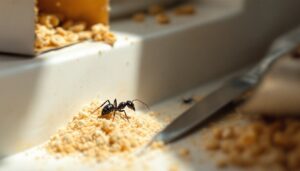
Carpenter ants (Camponotus species) are the heavyweights of the ant world, measuring ½ to ⅝ inch long with a single-node waist (the narrow segment between thorax and abdomen). They’re glossy black or bicolored (black with reddish legs). Workers don’t eat wood: they tunnel through it to create smooth galleries for nesting, often targeting water-damaged or decaying lumber. Look for frass piles near baseboards, window sills, or in basements, fine sawdust mixed with insect body parts.
They prefer moist environments. Check behind dishwashers, under leaky roof eaves, and around HVAC condensation lines. Satellite colonies can form in wall voids far from the main nest, making eradication tricky.
Odorous house ants (Tapinoma sessile) are smaller (1/16 to ⅛ inch), brown to black, and emit a rotten-coconut smell when crushed. They trail aggressively to food sources, particularly sweets and proteins. Unlike carpenter ants, they don’t damage structures but invade in huge numbers. Nests form under stones, in mulch, or inside wall voids near plumbing.
Both species swarm in spring. Winged reproductive ants emerging indoors signal an established nest inside the structure, not just foragers wandering in from outside.
Black Widow Spiders
Black widows (Latrodectus species) are North America’s most recognizable venomous spider. Females grow ½ inch (body length), with jet-black, glossy abdomens marked by a red or orange hourglass on the underside. Males are smaller, lighter-colored, and harmless.
They spin irregular, tangled webs in dark, undisturbed spots: garages, crawl spaces, woodpiles, outdoor sheds, and behind stored boxes. Webs feel strong and sticky. Egg sacs, smooth, cream-colored spheres about ½ inch in diameter, hang in the web, each containing 200–900 eggs.
Bites occur when spiders are pressed against skin (reaching into a box, putting on a shoe). Venom is neurotoxic, causing pain, muscle rigidity, nausea, and elevated blood pressure. Children, elderly adults, and those with compromised immune systems face higher risk. Seek medical attention immediately if bitten: antivenom is available but rarely required. Wear gloves when sorting storage areas, and shake out shoes and clothing left on the floor.
DIY Black Pest Control Methods That Work
Start with identification. Misidentifying carpenter ants as odorous house ants leads to wrong bait choices. Use a magnifying glass or smartphone macro lens to confirm body shape, node count, and size. Field guides or university extension sites (like those from Penn State or University of California IPM) offer free identification resources.
For carpenter ants and black ants:
- Locate the nest. Follow foraging trails at dusk (when carpenter ants are most active). Tap suspected wall voids with a screwdriver handle: a hollow sound and rustling indicate activity.
- Apply bait stations. Use slow-acting boric acid or fipronil baits (e.g., Terro Liquid Ant Baits for odorous house ants: Advance Carpenter Ant Bait for larger species). Workers carry bait back to the nest, poisoning the queen and brood. Avoid spraying insecticide near baits, it repels ants and breaks the foraging trail.
- Dust wall voids. For nests inside walls, drill ⅛-inch holes near baseboards and puff diatomaceous earth (DE) or boric acid dust using a hand duster. DE is a mechanical killer, microscopic sharp edges damage insect exoskeletons, causing dehydration. Wear an N95 mask: DE dust irritates lungs. Seal holes with caulk after application.
- Eliminate moisture. Fix leaky pipes, improve crawl space ventilation, and redirect downspouts away from foundations. Carpenter ants won’t colonize dry, sound wood.
Recent home maintenance practices emphasize fixing water intrusion before treating pests, as moisture is the root cause of infestations. For roach issues sharing similar treatment approaches, homeowners often research effective treatment costs to compare DIY versus professional options.
For black widow spiders:
- Remove webs manually. Use a stick or broom to knock down webs in garages, sheds, and crawl spaces. Wear leather gloves and long sleeves. Drop webbing and spiders into a bucket of soapy water.
- Apply residual insecticide. Spray cyfluthrin or bifenthrin (synthetic pyrethroids) along baseboards, door frames, and window sills. These provide 3–4 months of residual control. Apply outdoors to foundations, woodpiles, and under decks. Follow label directions for PPE, typically gloves and goggles.
- Use sticky traps. Place glue traps along walls in basements and garages to monitor activity and catch spiders before they establish webs.
- Seal entry points. Caulk cracks around windows, doors, and utility penetrations. Install door sweeps and repair torn window screens (16-mesh or finer).
General prevention:
- Store firewood 20 feet from the house, elevated on racks.
- Keep mulch 6 inches away from siding.
- Trim tree branches and shrubs so they don’t touch the house, these act as highways for ants.
- Clean up food spills immediately and store pantry items in airtight containers.
As seen in guidance on eco-friendly approaches, many homeowners now prioritize low-toxicity treatments like DE and boric acid when children or pets are present.
When to Call Professional Pest Control Services
Some situations exceed DIY capabilities. Call a licensed pest management professional when:
- Structural damage is evident. Carpenter ant colonies inside load-bearing studs or joists require professional treatment and possibly structural repair. Pros use non-repellent insecticides (fipronil, imidacloprid) injected into voids, which ants can’t detect and spread throughout the colony.
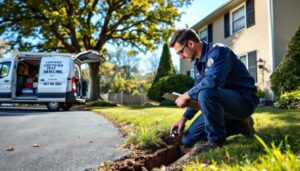
- The nest is inaccessible. Colonies in wall voids, subfloors, or attics often can’t be reached with consumer-grade tools. Pros use borescopes to locate nests and deliver targeted treatments.
- Repeated infestations occur. If you’ve treated twice in six months with no lasting success, you’re missing the source. Professionals conduct thorough inspections, identifying entry points and satellite nests homeowners overlook.
- Black widow populations are high. Finding multiple spiders or dozens of egg sacs signals a serious infestation. Pros apply concentrated residual sprays and dust in hard-to-reach areas like crawl spaces and attics, wearing appropriate PPE.
- Health concerns exist. Households with young children, elderly residents, or individuals with compromised immune systems should consider professional treatment to minimize exposure to venomous spiders or pesticide misuse.
Professional services typically cost $150–$300 for an initial inspection and treatment, with quarterly follow-ups around $75–$125. Carpenter ant extermination often requires $200–$500 depending on colony size and accessibility. When evaluating professional pricing options, homeowners should request written estimates detailing treatment methods and warranty coverage.
Licensed applicators follow state regulations for pesticide use and carry liability insurance. Verify credentials through your state’s pesticide regulatory agency. Some situations, like treating multi-unit buildings or commercial properties, legally require professional licensure. For urgent infestations, one-time treatment services offer immediate relief while homeowners carry out long-term prevention strategies.
Prevention Strategies to Keep Black Pests Out
Prevention beats treatment every time. Most black pest invasions trace back to three factors: moisture, food access, and entry points.
Moisture control:
- Install vapor barriers in crawl spaces (6-mil polyethylene sheeting).
- Grade soil away from foundations (minimum 6 inches of drop over 10 feet).
- Clean gutters twice yearly and extend downspouts 4–6 feet from the house.
- Fix leaky faucets, toilets, and HVAC condensate lines immediately.
- Use dehumidifiers in basements, keeping humidity below 50%.
Carpenter ants won’t colonize dry wood. Eliminating moisture removes their primary habitat.
Food sanitation:
- Wipe counters nightly with a 1:1 vinegar-water solution to erase pheromone trails.
- Store sugar, flour, and grains in screw-top glass or hard plastic containers.
- Take out garbage daily and use bins with tight-fitting lids.
- Clean behind appliances quarterly, crumbs accumulate under refrigerators and stoves.
- Don’t leave pet food out overnight.
Structural exclusion:
- Seal cracks wider than 1/16 inch with silicone caulk or polyurethane foam.
- Install door sweeps on exterior doors (garage doors included).
- Replace torn window screens: use aluminum screening in high-traffic areas (it’s more durable than fiberglass).
- Cap chimneys with spark arrestor screens (mesh size ½ inch or smaller).
- Seal around utility penetrations (pipes, wires, vents) with copper mesh stuffed into gaps, then covered with caulk or expanding foam.
Landscaping adjustments:
- Keep mulch 6 inches from siding: consider gravel borders instead.
- Trim tree branches so they don’t overhang the roof.
- Remove dead trees, stumps, and rotting wood from the yard, these harbor carpenter ant parent colonies.
- Store firewood on racks, covered, and away from the house.
Inspect exterior lighting. Yellow “bug” bulbs or sodium vapor lights attract fewer insects (which in turn attract spiders). Motion-sensor lights reduce overall attractant time.
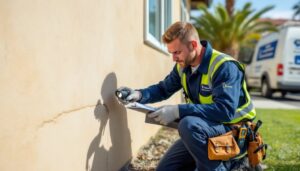
Conduct quarterly perimeter inspections. Walk the foundation, checking for new cracks, damaged weatherstripping, or gaps around vents. Look for ant trails, spider webs, or frass. Early detection allows quick treatment before colonies establish. Resources on comprehensive home maintenance often include pest prevention checklists for seasonal property inspections.
Inside, reduce clutter. Stacks of cardboard boxes, old newspapers, and unused furniture create hiding spots for spiders. Store items in sealed plastic bins elevated on shelves, not directly on basement or garage floors. This makes spaces less hospitable and easier to inspect.