Table of Contents
ToggleRunning a hotel means juggling guest satisfaction, staff management, and property upkeep, all while keeping quiet threats like pests from torpedoing your reputation. A single bed bug incident can torch online reviews faster than a flash fire, and rodents in a commercial kitchen can trigger health department shutdowns. Unlike residential pest control, hotel environments present unique challenges: constant guest turnover, multiple entry points, and interconnected rooms that let infestations spread like wildfire. This guide covers the critical pest threats hotels face, preventative measures that actually work, and how to respond when an incident happens.
Key Takeaways
- Hotel pest control is critical for operational success, as a single pest sighting can reduce bookings by 20-30% and trigger health code violations ranging from $500 to $10,000 per offense.
- Bed bugs are the top threat to hotels, spreading rapidly from guest luggage and requiring immediate treatment costing $300-$1,500 per room, making prevention through mattress encasements and monitoring traps essential.
- Implement multi-layered prevention strategies including structural exclusion, strict sanitation protocols, staff training, and regular monitoring to catch pest issues before they escalate.
- Professional pest control services ($200-$500 monthly) offer specialized expertise and liability coverage, though smaller properties can adopt hybrid models combining in-house monitoring with professional inspections.
- Respond to pest incidents within 30 minutes with immediate guest relocation, documentation, and transparency to prevent reputation damage and potential legal liability.
- Hotels treating pest control as an ongoing operational requirement—like HVAC maintenance—can reduce pest-related expenses by 40% and protect guest health and property reputation.
Why Pest Control Is Critical for Hotel Operations
Hotels operate under intense scrutiny from health departments, online reviewers, and liability insurers. A pest sighting doesn’t just gross out one guest, it becomes a social media event, complete with photos and scathing commentary that can tank bookings for months.
Health code violations carry financial penalties that vary by jurisdiction but typically range from $500 to $10,000 per violation. Repeat offenses can result in temporary closures. The International Building Code (IBC) and local health departments mandate sanitation standards that include pest prevention, and inspectors look specifically for evidence of rodent droppings, cockroach frass, or bed bug casings during routine inspections.
Beyond regulatory compliance, pest issues directly impact guest retention and revenue. Studies show that hotels with multiple pest complaints on review platforms see booking declines of 20-30% in the following quarter. Insurance claims for pest-related incidents, including property damage from rodents chewing wiring or guest injury from insect bites, can drive up premiums significantly.
The hospitality industry also faces unique liability exposure. Guests can sue for negligence if they experience bites, allergic reactions, or property damage from pests. Even if the hotel eventually prevails in court, legal fees and settlement costs easily reach five or six figures. Prevention isn’t optional, it’s risk management.
Common Pests Found in Hotels and Their Impact
Hotels provide everything pests need: food, warmth, water, and a steady stream of new hiding spots in luggage and supply deliveries. Understanding which pests pose the greatest threats helps prioritize prevention efforts.
Bed Bugs: The Number One Hotel Threat
Bed bugs (Cimex lectularius) are the nightmare scenario for hotel operators. These apple seed-sized insects hide in mattress seams, box springs, headboards, and electrical outlets, emerging at night to feed on sleeping guests. A single gravid female hitchhiking in a guest’s luggage can establish a breeding population within weeks.
Bed bugs don’t transmit disease, but their bites cause intensely itchy welts that can lead to secondary infections from scratching. More importantly, they trigger panic. Discovery of bed bugs often results in immediate room closures, extensive treatment costs ($300-$1,500 per room), and online reviews that persist indefinitely. Many hotels using eco-friendly pest control methods report lower guest sensitivity to treatments, though bed bugs require aggressive intervention regardless of approach.
Detection requires regular inspection using flashlights and magnification. Look for rusty spots (fecal stains) on linens, shed exoskeletons, and live bugs in tufts and folds. Interceptor traps under bed legs help monitor for activity.
Rodents, Cockroaches, and Other Invaders
Rodents, primarily Norway rats and house mice, enter through gaps as small as ¼ inch. They contaminate food stores, gnaw through wiring (creating fire hazards), and leave urine trails that stain surfaces and create odors. Hotels with restaurants or ground-floor vending areas face elevated rodent pressure, particularly during cold months when exterior populations seek warmth.
Rodent control requires exclusion first. Seal foundation cracks with copper wool and expanding foam, install door sweeps, and ensure dumpster pads are clean and lids close tightly. Snap traps and bait stations work for active infestations, but placement must follow EPA guidelines and keep rodenticides away from guest areas. The costs for addressing rodent issues can vary widely: residential mouse control expenses often run $200-$500, while commercial properties face higher bills.
Cockroaches (German, American, and Oriental species) thrive in hotels due to abundant food and moisture. They carry pathogens like Salmonella and E. coli on their legs and bodies, contaminating surfaces and food prep areas. German cockroaches breed rapidly, a single egg case can produce 30-40 nymphs, and populations explode if not addressed immediately.
Integrated Pest Management (IPM) for cockroaches includes eliminating harborage by caulking cracks, fixing plumbing leaks, and maintaining spotless housekeeping standards. Gel baits applied in cracks and crevices work well in guest rooms, while monitoring traps help track population levels. According to Good Housekeeping, maintaining strict kitchen sanitation cuts cockroach activity by up to 80% when combined with targeted treatments.
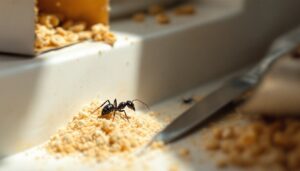
Other common hotel pests include ants (attracted to crumbs and spills), flies (breeding in garbage areas), and stored product pests like Indian meal moths in kitchen pantries. Each requires specific management tactics, but all benefit from rigorous sanitation and exclusion practices.
Preventative Measures Every Hotel Should Implement
Preventing pest infestations beats fighting them after they’re established. Hotels need multi-layered defense strategies that address entry points, sanitation, and early detection.
Structural exclusion is the foundation. Conduct quarterly exterior inspections looking for gaps around pipes, vents, and utility penetrations. Seal openings with appropriate materials, copper mesh for rodent-prone areas, silicone caulk for cracks, and weatherstripping on doors. Loading docks and kitchen entries should have air curtains or strip doors to block flying insects.
Sanitation protocols must be non-negotiable. Housekeeping staff should vacuum guest rooms thoroughly, including under beds and behind furniture, and report any signs of pest activity immediately. Kitchen staff should follow strict food storage guidelines: all dry goods in sealed containers, garbage removed multiple times daily, and floors mopped with degreaser nightly. Dumpster enclosures should be power-washed monthly and kept at least 50 feet from building entrances when possible.
Staff training is critical. Front desk, housekeeping, and maintenance teams need to recognize early signs of pest activity, not just live bugs, but also droppings, shed skins, and unusual odors. Anonymous reporting systems encourage staff to flag concerns without fear of blame. Many professional services offer training sessions: comparing commercial pest control pricing can help budget for comprehensive programs that include staff education.
Regular monitoring catches problems early. Install glue boards in mechanical rooms, storage areas, and behind kitchen equipment. Check them weekly and log results to identify trends. Bed bug monitors under mattresses in high-risk rooms (near elevators and ice machines, where guests pass frequently with luggage) provide early warning.
Guest room protocols should include mattress and box spring encasements on all beds. These zippered covers trap any existing bed bugs and prevent new infestations from establishing. Inspect rooms immediately after checkout, especially if guests reported issues. Keep a UV flashlight handy, bed bug fecal stains fluoresce under black light.
Landscaping management reduces exterior pest pressure. Keep vegetation trimmed back at least 18 inches from walls. Remove ivy and dense ground covers near foundations, they provide rodent harborage. Ensure proper drainage to eliminate standing water that attracts mosquitoes.
Professional Pest Control Services vs. In-House Management
Hotels must decide whether to contract professional pest control or handle it internally. The answer usually depends on property size, local regulations, and available resources.
Professional services bring specialized knowledge, commercial-grade products, and liability coverage. Licensed pest management professionals (PMPs) stay current on IPM techniques, pesticide regulations, and emerging pest threats. They typically offer monthly or quarterly service agreements that include inspections, treatments, and detailed documentation required for health department audits.
Costs vary by region and property size, but hotels can expect $200-$500 monthly for basic service contracts, with additional charges for bed bug treatments or emergency calls. Many hospitality operations compare professional service options to find providers experienced with commercial properties. Contracts should specify response times for emergencies (ideally same-day for bed bugs), reporting formats, and warranty periods.
Professional services make sense for properties with on-site restaurants, those in pest-prone climates, or hotels lacking dedicated maintenance staff. They’re essentially mandatory for chains with corporate standards or franchise agreements that require licensed pest management.
In-house management can work for smaller properties with experienced maintenance staff and low pest pressure. This approach requires staff members to obtain state pesticide applicator licenses (requirements vary by state), maintain equipment, and stay current on regulations. The up-front investment includes licensing fees ($100-$500), training courses ($200-$800), and equipment like backpack sprayers, bait stations, and monitoring devices ($500-$2,000).
In-house teams handle routine monitoring, exclusion work, and minor treatments, but should still maintain relationships with professional services for specialized issues like bed bugs. Many hotels adopt a hybrid model: professionals handle quarterly inspections and major treatments while in-house staff manage day-to-day monitoring and sanitation enforcement.
Documentation requirements are identical regardless of who performs the work. Keep service logs, product labels, and safety data sheets (SDS) for every pesticide used. OSHA requires that SDS be readily accessible to all staff. Some jurisdictions mandate posting of pesticide application notices 24-48 hours before treatment.
How to Respond to a Pest Incident Quickly and Effectively
Even though best efforts, pest incidents happen. Response speed and transparency determine whether an incident becomes a manageable hiccup or a reputation-killing disaster.
Immediate action protocol: When a guest reports a pest sighting, respond within 30 minutes. Apologize sincerely without admitting liability (“I’m so sorry this happened: we take this very seriously”). Move the guest to a different room in a separate building section or floor immediately, don’t just relocate them next door. Comp the night and offer additional compensation (free nights, meal vouchers, or statement credits) appropriate to the severity.
Inspect the affected room immediately with management present. Take photos documenting findings. Seal the room and adjacent units for inspection. If bed bugs are confirmed, close surrounding rooms, infestations often spread through wall voids and electrical conduits.
Treatment response: For bed bugs, bring in professional services same-day if possible. Treatment options include chemical applications (requiring two visits 10-14 days apart), heat treatment (raising room temperature to 135°F for several hours), or combination approaches. Heat treatment costs more ($1,000-$2,500 per room) but completes in one day with no pesticide residue.
Rodent or cockroach incidents require immediate sanitation sweeps and professional assessment. For cockroaches specifically, comparing targeted treatment costs helps budget for emergency responses. Source elimination is critical, find and eliminate food sources, water leaks, and harborage areas.
Communication strategy: Be honest with guests without creating panic. If treating multiple rooms, consider proactive notification to nearby guests: “As part of our regular maintenance, we’re conducting enhanced pest prevention treatments this week.” For serious incidents, legal counsel should review all guest communications.
Document everything: guest statements, inspection findings, treatment methods, and follow-up results. This documentation protects against liability claims and shows health inspectors your good-faith efforts.
Staff support: Train staff to handle guest complaints without becoming defensive. Role-play scenarios during team meetings. Empower front desk staff to make reasonable compensation decisions without manager approval, speed matters more than saving a few dollars.
Follow-up inspection: After treatment, inspect rooms daily for 2-3 weeks. Don’t return treated rooms to service until professionals confirm clearance. Monitor online reviews obsessively and respond to negative comments professionally, outlining corrective actions taken.
Long-term adjustments: Every incident reveals system gaps. Did housekeeping miss warning signs? Are loading dock doors left propped open? Use incidents as learning opportunities to strengthen prevention protocols. Some hotels establish pest committees that meet quarterly to review monitoring data and adjust strategies, a proactive approach that HomeAdvisor notes can reduce pest-related expenses by 40% over time.
Pest control in hospitality isn’t a project with an end date, it’s an ongoing operational requirement like HVAC maintenance or fire safety checks. Hotels that treat it as such protect guest health, preserve their reputations, and avoid costly emergencies.