Table of Contents
ToggleMinnesota homeowners face a unique pest gauntlet. The state’s harsh winters drive critters indoors, while humid summers create perfect breeding conditions for everything from mosquitoes to carpenter ants. When DIY traps and sprays aren’t cutting it, professional pest control becomes essential, not just for comfort, but for protecting the structural integrity and health of a home.
Aptive Pest Control has expanded its footprint across Minnesota in recent years, offering year-round service plans tailored to the state’s seasonal pest pressures. This guide breaks down what Aptive brings to the table, how their treatments work, and whether their services make sense for Minnesota homes dealing with everything from box elder bugs to mice invasions.
Key Takeaways
- Aptive Pest Control in Minnesota uses a quarterly subscription model with integrated pest management to provide year-round protection against seasonal pests like carpenter ants, mice, and wasps without the need for homeowners to schedule individual service calls.
- Minnesota’s harsh winters and humid summers create distinct pest challenges throughout the year, requiring targeted treatments in spring for ants and box elder bugs, summer mosquito control, and fall-winter rodent and indoor pest management.
- Quarterly service plans with Aptive typically cost $500–$800 annually for an average Twin Cities home, offering better long-term value than DIY approaches when accounting for potential damage from carpenter ants, rodents, and other wood-boring pests.
- The company’s satisfaction guarantee covers re-service at no additional charge if pests return between scheduled treatments, and all technicians are Minnesota Department of Agriculture licensed and use EPA-registered, low-toxicity products.
- Homeowners can maximize Aptive’s treatment effectiveness by sealing entry points, managing moisture, eliminating food sources, and reducing harborage areas—actions that create a layered pest defense strategy far more effective than professional service alone.
What Is Aptive Pest Control and Why Minnesota Homeowners Choose Them
Aptive Environmental is a pest control company founded in 2015 that has grown rapidly across the U.S., including Minnesota markets like Minneapolis, St. Paul, Edina, and Bloomington. Unlike traditional exterminators who show up only when called, Aptive operates on a subscription model with quarterly service visits designed to provide year-round protection.
Their approach combines integrated pest management (IPM) principles with modern application methods. Technicians focus on exclusion (sealing entry points), habitat modification (removing attractants), and targeted treatments using low-toxicity products when necessary. This strategy aligns with growing homeowner demand for eco-friendly pest control methods that minimize chemical exposure indoors.
Minnesota customers often cite convenience as a major draw. Aptive schedules regular visits automatically, which helps catch pest problems before they escalate. The company also offers a satisfaction guarantee, if pests return between scheduled treatments, they’ll come back at no extra charge. For homeowners juggling Minnesota’s short construction season and endless winter maintenance, having one less thing to manage appeals to many.
Common Pest Problems Aptive Tackles in Minnesota Homes
Aptive’s Minnesota services target the usual suspects homeowners battle throughout the year. Ants (particularly carpenter ants and pavement ants) top the complaint list, especially in spring when colonies emerge. Carpenter ants don’t just raid the pantry, they excavate wood to build nests, which can compromise framing if left unchecked.
Spiders are another frequent concern. While most Minnesota species are harmless, homeowners understandably don’t want webs in every corner. Aptive treats both the interior perimeter and exterior foundation to reduce spider activity.
Mice and rodents become urgent issues as temperatures drop. Mice can squeeze through gaps as small as ¼ inch and will chew through insulation, wiring, and stored goods. When rodent problems require extensive intervention, professional mouse control services may involve baiting, trapping, and exclusion work beyond standard pest plans.
Wasps and hornets build nests in eaves, sheds, and under decks during summer months. Aptive includes nest removal in their service plans, which is worth considering given that wasp stings send thousands of Americans to the ER annually.
Seasonal Pest Challenges in the Minnesota Climate
Minnesota’s climate creates distinct pest patterns. Spring brings box elder bugs emerging from winter hiding spots, plus ant colonies expanding as soil thaws. This is prime time for perimeter treatments before pests establish strongholds.
Summer means mosquitoes, ticks, and flies. While Aptive’s standard plans focus on structural pests, they offer add-on treatments for mosquito control using barrier sprays and larvicides in standing water areas, critical given Minnesota’s high mosquito populations and Lyme disease prevalence.
Fall triggers the indoor migration. Spiders, cluster flies, and Asian lady beetles seek warm overwintering sites. Mice begin probing foundation cracks and gaps around utility penetrations. Homeowners in areas like Bloomington deal with pest pressure from both urban and nearby agricultural settings.
Winter doesn’t eliminate pest issues. Mice and rats remain active indoors, and if a home has an existing infestation, they’ll breed year-round in wall voids and attics. Winter is also when homeowners discover evidence of fall invaders nesting in insulation or stored boxes.
Aptive’s Service Plans and Treatment Options for MN Residents
Aptive structures their Minnesota services around quarterly visits (roughly every 90 days). The initial service is more intensive, involving a full interior and exterior inspection, treatment of identified problem areas, and preventive applications to entry points and harborage zones.
Following the first visit, technicians return quarterly to re-treat exterior perimeters, check bait stations, inspect for new pest activity, and address any developing issues. Each visit includes:
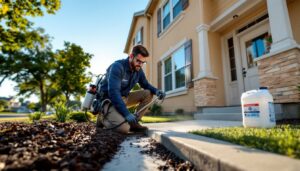
- Exterior perimeter treatment: Foundation spray up to 3 feet high and 3 feet out from the home’s base
- Entry point treatment: Doors, windows, utility penetrations, and foundation cracks
- Web removal: Eaves, soffits, and exterior surfaces
- Inspection and monitoring: Identifying conditions that attract pests
Interior treatments are performed as needed during the initial service and whenever pests are detected between scheduled visits. Aptive uses low-impact products including botanical insecticides and insect growth regulators (IGRs) that disrupt reproduction cycles without broad-spectrum toxicity.
For specific pest challenges, Aptive offers add-on services including mosquito control, tick treatments for yards, and rodent management programs. Rodent control may involve snap traps, bait stations, and exclusion recommendations, though major structural repairs (like replacing foundation vents or extensive soffit work) fall outside standard pest control and require a contractor.
Safety note: All technicians are licensed by the Minnesota Department of Agriculture and follow state regulations for pesticide application. Products used are EPA-registered and applied according to label instructions. Homeowners should still discuss any concerns about pets, children, or chemical sensitivities before treatment.
What to Expect: The Aptive Pest Control Process in Minnesota
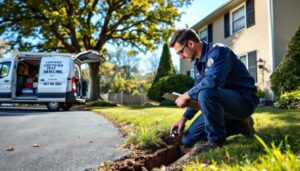
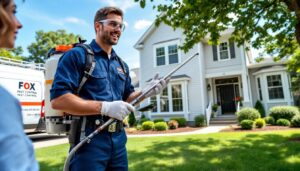
The Aptive experience begins with scheduling an initial assessment. A technician arrives in a clearly marked pest control service vehicle equipped with treatment equipment, inspection tools, and product information sheets.
During the first visit, expect the technician to:
- Walk the exterior: Identifying pest entry points, moisture issues, conducive conditions (wood piles against the house, overgrown vegetation), and active pest presence.
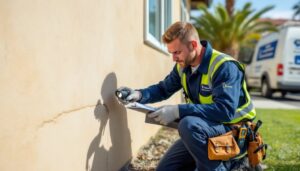
- Inspect the interior: Checking basements, crawl spaces, utility rooms, kitchens, and bathrooms for signs of activity, droppings, shed skins, damage, or live pests.
- Review findings: The technician explains what they’ve found, what treatments they recommend, and what the homeowner can do to reduce pest pressure.
- Apply treatments: Exterior perimeter spray, targeted interior treatments if needed, placement of monitoring stations or baits.
- Document the service: Notes go into the account for continuity between visits.
The entire process typically takes 45-90 minutes for the initial service, with follow-up visits averaging 30-45 minutes. Homeowners don’t need to be present for quarterly treatments if they’re comfortable with technicians accessing the property, though being home allows for direct communication about any new concerns.
Between scheduled visits, if pests appear, customers can request a re-service at no additional cost under Aptive’s guarantee. Response time varies by demand and season, but the company aims for callbacks within a few business days.
One consideration: Aptive’s scheduling system is automated, and some Minnesota customers report frustration with limited flexibility for specific appointment times. If a homeowner needs to be present or has a tight schedule, confirming the appointment window ahead of time is advisable.
Pricing and Value: Is Aptive Pest Control Worth It for Minnesota Homeowners?
Aptive doesn’t publish fixed pricing, costs vary based on home size, property layout, pest pressure, and location within Minnesota. That said, quarterly service plans for an average single-family home in the Twin Cities metro typically range from $125 to $200 per quarter (roughly $500-$800 annually), based on market averages and customer reports on platforms like Angi’s reviews for Edina.
The initial visit often costs more, sometimes double a standard quarterly fee, because it’s more labor-intensive. Additional services like mosquito control or rodent management add $50-$150 per visit depending on scope.
How does this compare? For a DIY approach, homeowners might spend $50-$100 annually on store-bought sprays, traps, and caulk. But DIY success depends heavily on correctly identifying the pest, understanding its biology, and applying products effectively. Many homeowners discover that what seemed like a minor ant problem is actually a carpenter ant colony requiring professional-grade treatments and exclusion work.
One-time pest control services offer a middle ground, typically costing $150-$300 for a single treatment, but without the ongoing monitoring that catches problems early. If a home faces recurring pest pressure, common in Minnesota due to seasonal invasions, the value proposition of quarterly service becomes clearer.
For comparison, companies like Orkin charge similar rates for quarterly plans, while regional providers may offer lower pricing but with less streamlined scheduling and customer service infrastructure.
The cost-benefit calculation also factors in potential savings from preventing damage. Carpenter ants or mice chewing through wiring can cause repair bills in the thousands. Termites (less common in Minnesota but present in the southern counties) can devastate wood framing. Proactive pest control is cheaper than reactive repairs.
Value considerations: Aptive’s guarantee, convenience, and use of lower-toxicity products appeal to many Minnesota families. But, homeowners with minimal pest pressure might find annual costs hard to justify. Those in rural areas or wooded lots with persistent pest challenges often see better ROI from regular professional service.
DIY Pest Prevention Tips to Complement Professional Treatments
Even with professional service, homeowners play a critical role in pest prevention. These steps maximize the effectiveness of Aptive’s treatments and reduce the likelihood of infestations between visits.
Seal entry points: Walk your home’s perimeter and caulk gaps around windows, doors, utility pipes, dryer vents, and foundation cracks. Use steel wool for gaps around pipes, mice can’t chew through it. For larger openings (like foundation vents), install ¼-inch hardware cloth.
Manage moisture: Fix leaky faucets, improve basement ventilation, and ensure downspouts direct water at least 6 feet from the foundation. Many Minnesota pests, including carpenter ants and silverfish, are attracted to moisture-damaged wood and damp conditions.
Eliminate food sources: Store pantry goods in airtight containers (glass or heavy plastic). Clean up crumbs promptly, especially around appliances. Take garbage out regularly and use bins with tight-fitting lids. Don’t leave pet food out overnight.
Reduce harborage: Keep firewood stacked at least 20 feet from the house and off the ground. Trim vegetation so it doesn’t touch siding or the roof. Remove yard debris, leaf piles, and unnecessary clutter from basements and garages, these are prime hiding spots.
Inspect regularly: Check attics and crawl spaces quarterly for signs of pests, droppings, gnaw marks, nesting material, or dead insects. Early detection makes treatment far easier. Resources from sites like HomeAdvisor and Today’s Homeowner offer seasonal maintenance checklists that include pest-related tasks.
Know when to call a pro: If you’re seeing live roaches during the day, finding rodent droppings in multiple rooms, or noticing structural damage from wood-boring insects, don’t wait for the next scheduled visit. Call for a re-service immediately.
Safety reminder: If using store-bought pesticides as supplements, read labels carefully. Never mix products, and keep them out of reach of children and pets. Wear gloves and eye protection when applying sprays or dusts, and ensure adequate ventilation.
Combining professional treatments with diligent prevention creates a layered defense that’s far more effective than either approach alone. Minnesota’s pest pressures are persistent, but they’re manageable with the right strategy and follow-through.