Table of Contents
ToggleNo one dreams of sharing their home with uninvited critters. Whether it’s ants marching through the kitchen, mice nesting in the attic, or termites threatening the structure, pest problems demand practical solutions. But the world of pest control isn’t one-size-fits-all. The method that works for carpenter ants might be worthless against a roach infestation. Understanding the different types of pest control helps homeowners choose the right approach for their specific situation, balancing effectiveness, safety, and cost without calling in the cavalry for every spider sighting.
Key Takeaways
- Types of pest control include chemical, biological, physical, natural, and integrated approaches, each suited to different pest problems and safety preferences.
- Chemical pest control works quickly through residual sprays, baits, and fumigation but requires proper safety precautions and licensed application in many states.
- Biological control recruits nature’s pest managers like ladybugs, parasitic wasps, and Bacillus thuringiensis to suppress pest populations over time without synthetic chemicals.
- Physical exclusion—sealing cracks, installing door sweeps, and using traps—addresses the root cause by preventing pest entry and offers safe, targeted results.
- Integrated Pest Management (IPM) combines identification, monitoring, prevention, and escalating control methods to reduce pesticide use by 50-75% while delivering long-term effectiveness.
- Natural alternatives like neem oil, diatomaceous earth, and essential oils provide lower-toxicity options but require more frequent reapplication than synthetic products.
Chemical Pest Control Methods
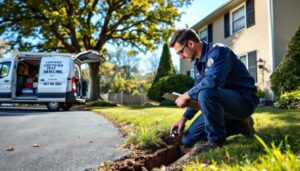
Chemical pest control remains the heavy artillery in the war against pests. These synthetic compounds, insecticides, rodenticides, herbicides, are designed to kill or repel specific targets quickly.
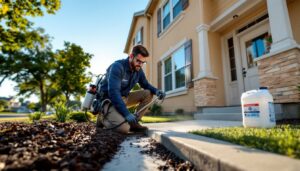
Residual sprays leave a lasting barrier on surfaces where pests travel. Pyrethroids and neonicotinoids are common active ingredients. They’re effective for perimeter treatment around foundations, along baseboards, and in crawl spaces. Most residual products maintain effectiveness for 30-90 days depending on surface porosity and exposure to moisture.
Baits and stations work differently. Rodent bait boxes contain anticoagulant poisons like bromadiolone or diphacinone. Roach baits use hydramethylnon or fipronil mixed with attractants. The pest consumes the bait and returns to its nest, often spreading the toxin to others, a domino effect that wipes out entire colonies.
Fumigation is the nuclear option. Tenting an entire structure and flooding it with gases like sulfuryl fluoride kills drywood termites, bed bugs, and stored product pests. It requires vacating the home for 24-72 hours and costs $1-$4 per square foot, but it penetrates every crack and void.
Safety warnings: Always wear nitrile gloves, eye protection, and a respirator rated for pesticides when mixing or applying chemicals. Keep children and pets away from treated areas until products dry completely. Store pesticides in locked cabinets away from food and water sources. Many chemical controls require licensed applicators, check your state’s pesticide regulations before DIY application.
Chemicals work fast, but they’re not subtle. Overuse leads to resistance, environmental contamination, and potential health risks. Use them strategically, not as a first resort for every bug you see.
Biological Pest Control Solutions
Biological control flips the script by recruiting nature’s own pest managers. Instead of synthetic chemicals, this approach uses living organisms, predators, parasites, or pathogens, to keep pest populations in check.
Beneficial insects are the workhorses here. Ladybugs devour aphids at a rate of 50+ per day. Parasitic wasps (Trichogramma species) lay eggs inside moth and butterfly larvae, killing them from within. Nematodes, microscopic roundworms, hunt soil-dwelling grubs, fleas, and termite larvae. You can purchase these allies from garden supply companies and release them in targeted areas.
Microbial pesticides use bacteria, fungi, or viruses that specifically infect pests. Bacillus thuringiensis (Bt) is the gold standard, it produces proteins toxic to caterpillars, mosquito larvae, and some beetles but harmless to humans, pets, and beneficial insects. Apply Bt sprays or granules to foliage or standing water according to label directions.
Predatory animals play supporting roles. Barn owls and kestrels control rodent populations around rural properties. Many homeowners interested in eco-friendly pest control install raptor boxes to encourage nesting.
Biological methods take patience. Unlike chemical knockdowns, predators and parasites need time to establish populations and impact pest numbers. They work best in integrated programs rather than as standalone solutions. And they’re selective, introducing ladybugs won’t help with a termite problem.
Physical and Mechanical Pest Control
Sometimes the best solution is the simplest: keep pests out or trap them once they’re in. Physical and mechanical controls rely on barriers, traps, and direct removal rather than chemicals or biology.
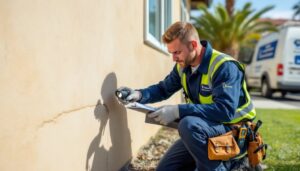
Exclusion addresses the root cause, how pests enter. Seal foundation cracks with hydraulic cement or polyurethane caulk. Install door sweeps (aim for less than ¼-inch clearance) and weatherstripping around doors and windows. Cover vents and chimney openings with ¼-inch hardware cloth, standard window screen won’t stop mice, which can squeeze through openings as small as ¼ inch.
Pay attention to utility penetrations. Where pipes, wires, and HVAC lines enter the structure, pack gaps with copper mesh (rodents won’t chew through it) and seal with expanding foam rated for pest exclusion.
Traps come in three categories:
• Snap traps: The classic wooden mouse trap still works. Modern versions use plastic bases and easier set mechanisms. Bait with peanut butter, not cheese, it’s stickier and more aromatic.
• Live traps: Catch-and-release cages for larger animals like squirrels and raccoons. Check local wildlife regulations, some jurisdictions prohibit relocating certain species.
• Glue boards: Sticky traps for mice, insects, and spiders. Place them along walls where pests travel. Not humane for larger rodents, which can suffer for hours stuck to the adhesive.
For flying insects, fly strips and light traps work in garages and outbuildings. Commercial-grade insect light traps use UV bulbs to attract flies and moths to an electrified grid or sticky board.
Heat treatment kills bed bugs by raising room temperature to 120-140°F for several hours. Specialized equipment is required, attempting this with space heaters creates fire hazards and rarely reaches lethal temperatures throughout the space.
Physical controls demand diligence. Traps need checking and resetting. Exclusion work requires crawling through attics and basements with a caulk gun and headlamp. But they’re safe, targeted, and effective when done thoroughly. Professionals dealing with different approaches for roach control often combine traps with exclusion for lasting results.
Natural and Organic Pest Control Approaches
Natural pest control uses plant-derived compounds, minerals, and non-synthetic materials to repel or kill pests. It’s not the same as “chemical-free”, these products contain active ingredients, just from natural sources.
Botanical insecticides extract pest-fighting compounds from plants:
• Pyrethrin: Derived from chrysanthemum flowers, it attacks insect nervous systems. Fast-acting but breaks down quickly in sunlight. Effective against flying insects, ants, and roaches.
• Neem oil: Pressed from neem tree seeds, it disrupts insect growth and feeding. Mix 2 tablespoons per gallon of water for foliar sprays against aphids, whiteflies, and mites.
• Diatomaceous earth (DE): Fossilized algae ground into a fine powder with microscopic sharp edges. It shreds insect exoskeletons, causing dehydration. Dust food-grade DE (not pool-grade) in cracks, under appliances, and along baseboards. Wear a dust mask, DE irritates lungs.
Essential oils show repellent properties. Peppermint oil deters mice and spiders. Cedarwood oil disrupts insect pheromones. Mix 10-15 drops per cup of water in a spray bottle. Reapply every few days since oils evaporate quickly. Research from pest control specialists suggests essential oils work better as deterrents than eradicators.
Boric acid is a mineral compound toxic to insects but low-risk for mammals when used properly. Dust it into wall voids, under sinks, and behind appliances for roaches and silverfish. Keep it dry, moisture reduces effectiveness.
Horticultural soaps use fatty acids to dissolve soft-bodied insects like aphids and mealybugs. Spray directly on pests for contact kill.
Natural doesn’t mean foolproof. Botanical pesticides still require careful application and can harm beneficial insects. They typically break down faster than synthetics, requiring more frequent reapplication. But for homeowners prioritizing low-toxicity options, they offer middle ground between doing nothing and deploying industrial-strength chemicals.
Integrated Pest Management (IPM)
Integrated Pest Management isn’t a single method, it’s a strategic framework combining multiple tactics for long-term pest suppression with minimal environmental impact. Think of it as a chess game instead of a bar fight.
IPM follows four principles:
1. Identification: Know your enemy. Misidentifying pests leads to wasted effort and money. Carpenter ants require different treatment than termites even though similar damage patterns. Use online identification tools, extension service resources, or submit specimens to local agricultural offices.
2. Monitoring: Set thresholds before taking action. One spider doesn’t justify whole-house fumigation. Use sticky traps, visual inspections, and pheromone monitors to track population levels and activity patterns. Record findings, pest pressure changes seasonally.
3. Prevention: Address conditions that attract or sustain pests. Fix leaking pipes that provide water. Store firewood 20 feet from structures. Trim vegetation away from foundations. Keep kitchens clean and seal food in airtight containers. Most pest problems stem from conducive conditions, not bad luck.
4. Control: When populations exceed thresholds, start with the least-toxic effective method and escalate only if needed. For ants, that might mean:
- First: Clean up food sources and seal entry points
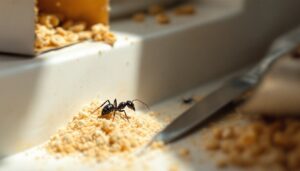
- Second: Apply boric acid bait stations
- Third: Perimeter spray with pyrethroid if colony persists
- Last resort: Call a licensed professional for colony treatment
The EPA and university extension services advocate IPM for residential pest management. It reduces pesticide use by 50-75% compared to routine scheduled spraying. Homeowners researching different strategies for mice find IPM programs deliver better long-term results than chemical-only approaches.
IPM requires more upfront thinking than grabbing a spray can, but it builds lasting solutions instead of temporary knockdowns. Detailed guidance on implementation is available through home improvement experts and agricultural extension offices nationwide.
Electronic and Technological Pest Control
Electronic pest control devices promise chemical-free solutions through technology. The effectiveness varies widely, some work, many don’t.
Ultrasonic repellents emit high-frequency sound waves supposedly intolerable to rodents and insects. The reality? Mixed results at best. Independent testing shows limited effectiveness, pests may avoid the immediate area initially but acclimate within days. Sound waves don’t penetrate walls or furniture, creating “shadow zones” where pests hide comfortably. Save your money.
Electronic traps are different beasts entirely. Electric mouse traps deliver lethal high-voltage shocks when rodents enter bait chambers. They’re cleaner than snap traps (no blood or visible remains) and more humane than glue boards, death is instantaneous. Models from reputable manufacturers kill reliably but cost $30-60 each compared to $2 snap traps. You’ll need multiples for serious infestations.
Bug zappers use UV light to attract flying insects to an electrified grid. They work for moths, beetles, and some flies. The downside? They kill beneficial insects indiscriminately and don’t attract mosquitoes effectively, mosquitoes hunt by CO₂ and heat, not light.
CO₂ mosquito traps simulate mammal breathing patterns to lure and capture mosquitoes. Effective models cost $200-400 and require propane tanks or chemical cartridges. They reduce backyard mosquito populations but don’t eliminate them.
Smart monitoring systems represent the cutting edge. Wi-Fi-enabled rodent traps send smartphone alerts when triggered. Automated insect counters in agricultural settings track pest pressure in real-time. These technologies are filtering down to residential applications but remain pricey.
Electronic devices work best as components in broader programs, a professional service approach might incorporate them with traditional methods. Don’t expect gadgets to replace sound exclusion work, sanitation, and targeted pesticide use. Technology is a tool, not a magic bullet.
Conclusion
Choosing the right pest control method depends on the pest species, infestation severity, household safety concerns, and long-term goals. Chemical treatments deliver fast knockdown for acute problems. Physical exclusion prevents future invasions. Biological and natural methods offer lower-toxicity alternatives for sustainable management. And IPM ties everything together into a strategic, adaptive program. Most successful pest control combines multiple approaches rather than relying on any single tactic. Start with accurate identification, address the conditions attracting pests, then select control methods appropriate to the situation and escalate only as needed.