Table of Contents
ToggleAnts marching across your kitchen counter aren’t just annoying, they’re a sign of a deeper problem. Whether it’s a handful of scouts or a full-blown infestation, these tiny invaders can contaminate food, damage structures, and multiply faster than most homeowners can tackle with store-bought sprays. Professional ant pest control services bring targeted solutions, expert identification, and long-term prevention strategies that DIY methods often miss. This guide walks through what to expect from professional treatment, how to choose the right service, and how to keep ants from coming back.
Key Takeaways
- Professional ant pest control services identify ant species and apply targeted treatments that DIY methods miss, preventing costly structural damage and faster re-infestation.
- A thorough inspection by licensed technicians reveals entry points, moisture issues, and conducive conditions, taking 30 to 60 minutes and providing a detailed treatment plan.
- Integrated Pest Management (IPM) combines baiting, perimeter sprays, and exclusion work to eliminate colonies over 7 to 14 days, with warranties typically lasting 30 to 90 days.
- Ant pest control costs range from $150 to $500 for initial service, with quarterly maintenance plans at $100 to $200 per visit depending on infestation severity.
- Prevention after professional treatment requires sealing cracks, fixing moisture issues, removing food sources, and maintaining quarterly pest control visits to stop future infestations.
Why Professional Ant Control Is Worth the Investment
Ants don’t respond to one-size-fits-all treatments. Carpenter ants require different baits and application methods than odorous house ants, and misidentifying the species wastes time and money. Professional exterminators bring species-specific knowledge and access to commercial-grade products that aren’t available at retail stores.
Beyond product selection, pros understand ant behavior. They trace foraging trails back to colonies, identify entry points most homeowners overlook, and apply treatments in targeted zones rather than blanket-spraying everything. For persistent infestations, especially carpenter ants that can compromise structural wood, professional treatment prevents costly repairs down the line. If you’re dealing with multiple pest issues, a one-time pest control service can address immediate concerns while you plan longer-term strategies.
Most reputable services offer warranties ranging from 30 to 90 days, with free re-treatments if ants return during the coverage period. That peace of mind, combined with faster resolution times, often justifies the cost difference between DIY attempts and professional intervention.
Common Ant Species and Why They Invade Your Home
Not all ants pose the same threat. Carpenter ants (black or red, ½ to ⅝ inch long) excavate wood to build nests, leaving behind frass (sawdust-like debris) and weakening structural timbers. They’re attracted to moisture-damaged wood, so leaky roofs, plumbing issues, and damp crawl spaces invite them in.
Odorous house ants (brown, 1/16 to ⅛ inch) release a rotten coconut smell when crushed and are drawn to sugary foods. They nest in wall voids, under flooring, and near heat sources. Pavement ants (dark brown, ⅛ inch) build colonies under concrete slabs and enter through foundation cracks, often trailing along baseboards. Argentine ants (light to dark brown, 1/16 to ¼ inch) form supercolonies with multiple queens, making them exceptionally difficult to eliminate without professional help.
Ants invade for three reasons: food, water, and shelter. Crumbs, grease buildup, pet food left out overnight, and leaky pipes create ideal conditions. Understanding the specific ant species on platforms like Angi helps narrow down attractants and treatment approaches. During spring and fall, ants actively scout for new nesting sites, which explains why infestations spike seasonally.
What to Expect During a Professional Ant Inspection
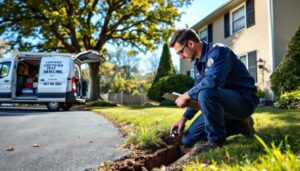
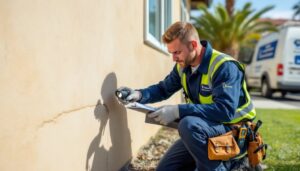
A thorough inspection is the foundation of effective ant control. Technicians start with a perimeter walk, examining foundation cracks, utility penetrations, door sweeps, and window frames for entry points. They check for moisture issues, carpenter ants and other wood-nesting species gravitate toward water-damaged areas.
Inside, inspectors look for active trails, nesting sites, and conducive conditions. Kitchens, bathrooms, laundry rooms, and basements get extra attention. They’ll lift appliances, check behind baseboards, inspect wall voids with thermal imaging or moisture meters, and note food storage practices. Exterior inspection covers trees or shrubs touching the structure, mulch beds against the foundation, firewood stacks, and debris piles, all common nesting spots.
Most inspections take 30 to 60 minutes. The technician should provide a written report detailing ant species, infestation severity, entry points, and conducive conditions. They’ll outline treatment options, expected timelines, and costs. If structural damage is suspected (especially with carpenter ants), they may recommend a follow-up with a licensed contractor. Transparent communication at this stage prevents surprises later and helps homeowners understand what they’re paying for.
Proven Treatment Methods Used by Ant Control Experts
Professional ant control relies on Integrated Pest Management (IPM), combining multiple tactics for long-term results. Baiting is the cornerstone for most species. Technicians place gel, granular, or liquid baits near trails and entry points. Worker ants carry the bait back to the colony, sharing it with the queen and brood. This process takes 7 to 14 days, so patience is critical. Homeowners often make the mistake of spraying ants they see, which breaks the bait chain.
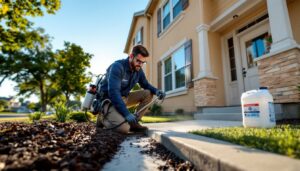
Perimeter sprays with residual insecticides (pyrethroids or non-repellent products like fipronil) create a barrier around the foundation, windows, and doors. These treatments last 30 to 90 days depending on weather and product choice. For carpenter ants, dusting wall voids, attics, and crawl spaces with boric acid or diatomaceous earth targets hidden colonies.
Exclusion work, sealing cracks with caulk, installing door sweeps, trimming vegetation, prevents re-entry. Some services include this in treatment packages, while others charge separately. If you’re comparing costs across pest types, checking pest control pricing for other infestations can provide context. Many companies now offer eco-friendly pest control options using plant-based or low-toxicity products, ideal for homes with kids or pets. Always ask about product safety, re-entry times, and ventilation requirements.
How to Choose the Right Ant Pest Control Service
Start with licensing and insurance. Every state requires pest control operators to hold a valid license, and technicians should carry liability insurance. Ask to see credentials, reputable companies provide them without hesitation. Check online reviews on platforms like HomeAdvisor and the Better Business Bureau, focusing on patterns rather than isolated complaints.
Get multiple quotes. Pricing varies widely based on infestation severity, home size, and treatment type. A typical ant treatment ranges from $150 to $500 for initial service, with quarterly maintenance plans running $100 to $200 per visit. Be wary of lowball estimates that skip inspection or use generic treatments. Ask each company to itemize what’s included: inspection fees, number of treatments, warranty terms, and exclusion work.
Inquire about treatment methods and products. Companies using IPM and targeted baiting generally deliver better results than those relying solely on broadcast spraying. Ask how they handle different ant species and what happens if the first treatment doesn’t work. For specialized concerns like mice infestations, some providers offer bundled pest control services.
Guarantees matter. A 30- to 90-day warranty with free re-treatments demonstrates confidence in their work. Read the fine print, some warranties require quarterly service contracts or have exclusions for new infestations. Resources like Today’s Homeowner offer guidance on evaluating contractor proposals and spotting red flags.
Preventing Future Ant Infestations After Treatment
Professional treatment solves the immediate problem, but prevention keeps ants from returning. Start with sanitation. Wipe counters daily, sweep crumbs, store food in airtight containers, and take out garbage regularly. Pet food bowls should be emptied and washed nightly, ants remember reliable food sources.
Fix moisture issues. Repair leaky faucets, improve crawl space ventilation, and ensure gutters drain away from the foundation. Carpenter ants won’t establish colonies in dry, sound wood. Replace water-damaged timbers promptly and consider a dehumidifier in damp basements.
Seal entry points. Use silicone caulk for cracks smaller than ¼ inch, expanding foam for larger gaps around pipes and wires, and weatherstripping for doors and windows. Trim tree branches and shrubs so they don’t touch the house, these act as highways for ants. Move firewood stacks at least 20 feet from the structure and store them off the ground.
Maintain a treatment schedule. Quarterly pest control visits catch problems early before they escalate. Some homeowners opt for seasonal treatments (spring and fall) when ant activity peaks. If you’ve had recurring issues, ask your provider about pest control trucks equipped with specialized tools for ongoing monitoring. Keep records of treatments, including dates, products used, and areas covered, this helps the next technician if you switch services.
Conclusion
Ant infestations demand more than off-the-shelf sprays. Professional pest control brings targeted treatments, expert identification, and long-term prevention that DIY methods can’t match. By choosing a licensed provider, understanding treatment methods, and maintaining preventive habits, homeowners can reclaim their space and keep it ant-free. Don’t wait until a few scouts turn into a full colony, early intervention saves time, money, and frustration.