In a world where creativity meets technology, Canva and ChatGPT are the dynamic duo you didn’t know you needed. Imagine designing eye-catching graphics while a clever AI buddy helps you whip up engaging content—all from the comfort of your couch. It’s like having a personal assistant who never asks for coffee breaks.
Understanding Canva and ChatGPT
Canva and ChatGPT present powerful tools for enhancing creativity and productivity. They serve as an excellent combination for individuals seeking to monetize their skills.
What is Canva?
Canva is an online graphic design platform that simplifies creating visuals. Users can choose from thousands of templates, empowering them to design everything from social media posts to presentations. The drag-and-drop interface makes it accessible for people with varying design skills. Furthermore, Canva includes a library of images, fonts, and icons that allow for creative freedom. Various subscription plans are available, including a free version that offers essential features. This versatility makes Canva a go-to resource for small business owners, marketers, and content creators.
What is ChatGPT?
ChatGPT is an AI language model developed by OpenAI designed for generating human-like text. It provides quick, relevant responses to a variety of prompts, making it useful in creating content. Writers can leverage ChatGPT for producing marketing copy, brainstorming ideas, or crafting blog posts. Additionally, this tool understands context, ensuring conversations feel natural. Companies incorporate ChatGPT to enhance customer service through chatbots or virtual assistants. Functions of ChatGPT can significantly improve efficiency in content creation, enabling users to focus on strategy and design.
Getting Started with Canva
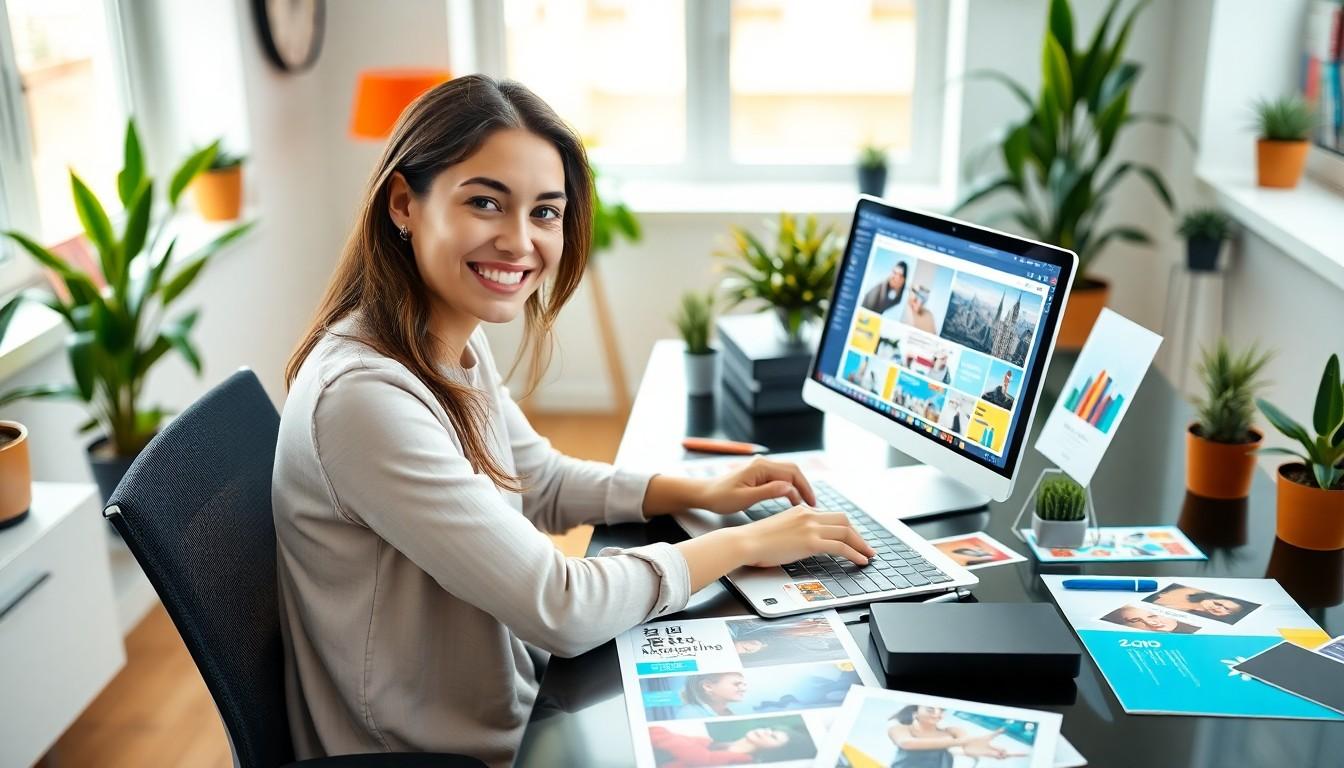
Canva offers a user-friendly interface that makes design accessible for everyone. With its extensive library of templates and graphics, users can jump right into creating stunning visuals.
Creating Your First Design
Choose a template to start your design journey. Canva provides options ranging from social media posts to flyers and presentations. Customize the text to reflect your brand or message. Add images from Canva’s library or upload your own. Adjust colors and fonts to suit your style. Click on elements to move or resize them easily. Download or share your design directly once satisfied. Exploring various templates helps identify what works best.
Tips for Designing Effectively
Prioritize clarity in your designs. Use contrasting colors to highlight important information. Balance text and imagery to avoid clutter. Stick to a consistent color palette for a professional look. Choose fonts that are easy to read and pair well together. Keep the target audience in mind when selecting design elements. Utilize white space effectively to guide the viewer’s eye. Regularly seek feedback from peers to refine your approach.
Harnessing the Power of ChatGPT
ChatGPT enhances the creative process alongside Canva. This AI tool produces valuable content ideas and engaging copy, streamlining workflows and improving monetization efforts.
Generating Content Ideas
Generating content ideas becomes effortless with ChatGPT. This tool excels at brainstorming, providing users with numerous topics based on specific keywords. When seeking inspiration, users can input requests for blog posts, social media updates, or marketing campaigns. For example, asking for 10 ideas for a health blog will yield distinct suggestions tailored to that niche. Additionally, users can refine these ideas, ensuring they align closely with audience interests. Engaging with ChatGPT facilitates a research-friendly environment, allowing quick adjustments to align with current trends.
Writing Engaging Copy
Writing engaging copy transforms messaging effectiveness. ChatGPT assists in crafting attention-grabbing headlines and persuasive body text. Users can request help by sharing the target audience and desired tone or style. By providing these details, ChatGPT generates relevant drafts, optimizing the content for emotional appeal and clarity. For instance, when creating an advertisement for a fitness product, ChatGPT can deliver compelling phrases that resonate with health enthusiasts. Moreover, quicker iterations of the text enable users to focus more on design aspects in Canva while ensuring a consistent voice across their content.
Combining Canva and ChatGPT for Profit
Utilizing Canva and ChatGPT together creates numerous profit opportunities. Users can create various digital products and offer services based on their unique skills.
Creating Digital Products
Creating digital products, such as eBooks, templates, and online courses, becomes streamlined with Canva and ChatGPT. Canva provides an extensive library of templates, while ChatGPT generates engaging content based on user-defined topics. Designers can quickly produce visually appealing eBooks by combining stunning graphics with compelling text. Templates for social media posts, resumes, and presentations also benefit from this collaboration, as users can customize designs and generate persuasive copy. Selling these products on platforms like Etsy or personal websites enhances revenue potential and allows creatives to reach wider audiences.
Offering Services to Clients
Offering services to clients can be greatly enhanced through this powerful duo. Businesses often seek graphic design and content writing services, making Canva and ChatGPT ideal tools. Designers can create eye-catching marketing materials with Canva, while ChatGPT helps draft compelling copy that resonates with target audiences. Freelancers can provide services such as social media management, branding, or website design by leveraging both tools. Building a portfolio showcasing these projects increases credibility and attracts clients, ultimately driving more business opportunities.
Marketing Your Creations
Marketing creations effectively boosts visibility and drives sales. Utilizing both social media and an online portfolio enhances outreach potential.
Using Social Media Platforms
To reach a wider audience, social media platforms serve as powerful tools. Facebook, Instagram, and Pinterest offer features tailored for sharing visual content. Engaging posts can showcase designs created in Canva. Adding relevant hashtags increases discoverability and attracts niche audiences. Regular updates about new products or services keep followers informed and engaged. Collaborations with influencers amplify reach and create additional promotion opportunities. Scheduling posts using tools like Buffer or Hootsuite ensures consistency in content sharing.
Building an Online Portfolio
An online portfolio acts as a digital showroom for creations. Platforms such as Behance and Dribbble allow users to display their work professionally. High-quality images paired with detailed project descriptions elevate appeal. Including a diverse range of projects showcases versatility. Utilizing testimonials from satisfied clients builds trust and credibility. Regularly updating the portfolio keeps content fresh and relevant, attracting potential clients. Utilizing SEO best practices ensures potential customers easily find the portfolio online.
Harnessing the power of Canva and ChatGPT opens up a world of opportunities for individuals looking to monetize their creative skills. By seamlessly integrating stunning visuals with compelling content, users can create digital products that stand out in a crowded market. This dynamic duo not only enhances productivity but also elevates the quality of work, allowing for greater engagement with audiences.
With the right strategies in place for marketing and showcasing creations, individuals can effectively reach potential clients and customers. Embracing these tools can lead to a fulfilling and profitable venture, making it easier than ever to turn creativity into income.