
When it comes to unwelcome houseguests, mice top the list. They scurry in with their tiny paws and insatiable appetites, turning your cozy home into their personal buffet. Before you know it, you’re sharing your space with more than just your family. So how much does it cost to send these furry freeloaders packing?
Pest control for mice isn’t just about the price tag; it’s about regaining your peace of mind. From DIY traps to professional exterminators, the options can be as varied as the cheese they adore. Whether you’re on a budget or ready to splurge for some serious mouse eviction, understanding the costs involved can help you make the right choice. Let’s dive into the nitty-gritty of pest control prices and find out how to reclaim your home without breaking the bank.
Understanding Pest Control for Mice
Mice control involves several methods tailored to effectively eliminate these pests from homes. Options range from preventive measures to professional extermination services. Many homeowners prefer DIY traps as a cost-efficient way to deal with small infestations. These traps, often available in stores, can capture multiple mice, making them popular.
Professional extermination provides a comprehensive approach, ensuring complete eradication. Technicians assess the severity of the infestation before implementing targeted treatments. Regular inspections can identify potential entry points, allowing homeowners to seal vulnerabilities that attract mice.
The costs associated with pest control for mice vary significantly based on the method used. DIY solutions may cost between $5 to $50 for traps and bait. Professional services typically range from $100 to $500, depending on the extent of the problem and the techniques utilized. It’s crucial to evaluate the effectiveness and long-term benefits when considering these expenses.
Sustainable practices are becoming more common in pest control, emphasizing eco-friendly solutions. These options include bait made from natural ingredients and traps designed to be reused. Homeowners increasingly look for less toxic alternatives, protecting families and pets from harmful chemicals.
Understanding local regulations also plays a role in pest control. Certain treatments may require permits or adherence to specific guidelines, especially in urban areas. By recognizing these rules, individuals can avoid potential fines while effectively managing mouse populations.
Factors Influencing Cost
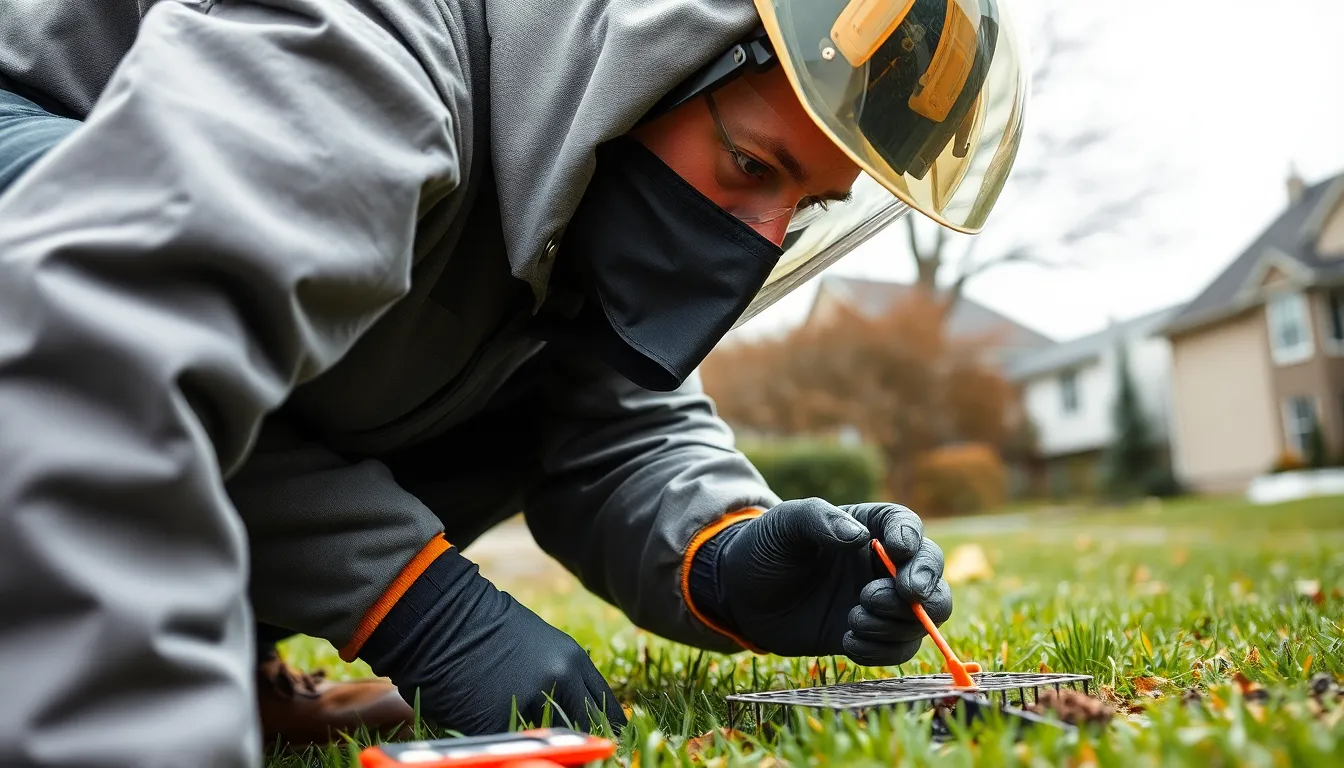
Several factors influence the cost of pest control for mice. Understanding these elements assists homeowners in making informed decisions regarding treatment options.
Type of Treatment
Treatment type significantly affects pricing. DIY methods like traps typically cost between $5 and $50, making them budget-friendly for minor infestations. Professional extermination services provide thorough control, with costs ranging from $100 to $500. These services ensure comprehensive eradication of mice and often include follow-up visits. Eco-friendly options may also exist, usually falling within similar price ranges.
Severity of Infestation
Infestation severity directly impacts costs. Mild cases, with only a few mice, often require less extensive treatment, resulting in lower fees. More severe infestations may necessitate multiple visits and extensive methods, raising total expenses. Identifying the extent of the problem early can help estimate costs more accurately. Homeowners should assess their situation, as prompt action leads to better, more affordable solutions.
Location of Property
The location of the property matters when determining pest control costs. Urban areas typically face higher prices due to increased demand for services. Geographic region also plays a role; costs in some states may differ from others based on local regulations and available services. It’s essential for homeowners to research local providers for accurate estimates related to their specific areas.
Average Cost Estimates
Understanding the cost estimates for pest control services helps homeowners choose the best option for mice removal. Costs vary significantly based on the method selected and infestation severity.
DIY Pest Control Options
DIY pest control methods typically range from $5 to $50. Common supplies include snap traps, glue boards, and natural bait, which homeowners can easily access. Most of these options allow for immediate use, providing a quick and cost-effective solution for minor infestations. Additionally, reusable traps come with long-term savings, reducing repeat expenses. Homeowners can also utilize methods like sealing entry points, which incurs no additional costs but requires time and effort to execute properly. Overall, DIY solutions suit those looking to manage small issues without professional assistance.
Professional Pest Control Services
Professional pest control services range between $100 and $500 depending on infestation severity. Initial consultations usually identify the extent of the problem and the necessary treatments. Exterminators provide thorough inspections, often employing advanced methods such as fumigation or bait stations, ensuring effective eradication. Multiple visits may be required for severe infestations, contributing to higher costs. Urban areas tend to have elevated fees, attributed to heightened demand and operational expenses. Investing in professional services guarantees peace of mind, knowing experts handle the situation.
Long-Term Cost Considerations
Understanding the long-term costs associated with mice pest control is essential for homeowners. Professional extermination can result in higher upfront expenses, ranging from $100 to $500. These costs often reflect the thoroughness of the treatment provided. Multiple visits may be necessary for severe infestations, especially in densely populated urban areas.
DIY solutions offer a more budget-friendly approach, typically costing between $5 to $50, depending on the supplies used. Utilizing traps, such as snap traps or glue boards, allows for immediate action and control. Homeowners can save money over time by investing in reusable traps and sealing up potential entry points. Sealing needs minimal investment but requires a commitment of time and effort.
Sustainability plays a growing role in pest control. Eco-friendly practices focus on natural bait and reusable traps, which might have a higher upfront cost but ultimately lead to savings and a reduced environmental impact.
Regular maintenance is vital in preventing future infestations, adding to ongoing costs. Setting aside a budget for periodic inspections or treatments can contribute to long-term pest management. Homeowners conducting thorough research on local pest control providers can accurately estimate likely expenses.
To minimize costs effectively, homeowners should assess their specific situations. Considering the severity of the infestation and the location of the property directly influences pricing. Prioritizing a thorough assessment and exploring various methods ensures the best strategy for long-term pest control without incurring unnecessary expenses.
Addressing a mouse infestation doesn’t have to break the bank. By weighing the pros and cons of DIY methods against professional services, homeowners can find a solution that fits their budget and needs. Understanding the costs associated with each option is crucial for making an informed decision.
Investing in effective pest control not only resolves immediate issues but also contributes to long-term peace of mind. Regular maintenance and preventive measures can help avoid future infestations, ensuring a comfortable living environment. By staying proactive and informed, individuals can take control of their pest problems without overspending.